Top Nonstick Pan Manufacturer for B2B Sourcing | MGC Cookware

Get up to 35% off + Free shipping Shop now

Call Us:+86-579-86903988

What Buyers Look for in a Nonstick Pan Manufacturer

What Buyers Look for in a Nonstick Pan Manufacturer

Working with a suitable nonstick pan manufacturer helps cookware brands, wholesalers, importers, and retailers source products that match their commercial requirements. Important considerations include pan diameter, body material, coating type, handle design, exterior finish, and packaging. A clearly defined specification makes it easier to compare quotations, assess product suitability, and maintain consistent information across purchasing and sales teams. Businesses developing a private label range should also clarify logo application, packaging customization, sample approval, minimum order quantities, and production lead times before placing an order. MGC Cookware offers a starting point for businesses exploring cookware sourcing. Contact the company to confirm current nonstick pan models, customization possibilities, production arrangements, and applicable order terms.
Get A Quote

Case Study

Developing a Retail Cookware Collection

A homeware brand wants to introduce a collection of nonstick frying pans for supermarkets and kitchenware retailers. The product team compares available sizes, coating specifications, handle styles, exterior colors, and packaging formats. It also defines a target price range and identifies which cooking surfaces each model must support. Before approving a supplier, the team requests samples and verifies product specifications against its requirements. It then reviews minimum order quantities, production schedules, inspection procedures, and delivery arrangements. Working directly with a suitable manufacturer may help the brand coordinate product selection and purchasing requirements more efficiently. The final assortment is selected according to customer demand and the brand’s commercial positioning.

Private Label Cookware Development

An importer plans to build a private label cookware line for distribution across several retail channels. Its sourcing team first identifies the required pan sizes, materials, coating types, handle designs, and visual style. It then discusses logo placement, retail packaging, labeling, and carton requirements with potential suppliers. Product samples are reviewed before specifications are finalized, helping the team identify differences between proposed models and its expectations. The importer also confirms whether customization is available for the selected products, along with minimum order quantities, costs, and lead times. Clear written specifications help both parties align on product requirements before an order moves forward.

Expanding a Wholesale Distribution Business

A kitchenware distributor wants to expand its cookware catalog with nonstick pans for independent retailers and ecommerce sellers. The purchasing team evaluates products across different price levels and cooking applications, considering dimensions, coating details, packaging, and compatibility information. It also estimates landed costs by accounting for freight, import duties, taxes, and handling expenses. To reduce purchasing uncertainty, the distributor requests product documentation and clarifies quality inspection procedures, payment terms, and delivery schedules. Comparing suppliers against the same requirements helps the business evaluate quotations more consistently. By confirming available models and order conditions with MGC Cookware, the distributor can assess whether the range fits its market and inventory plan.

Related products

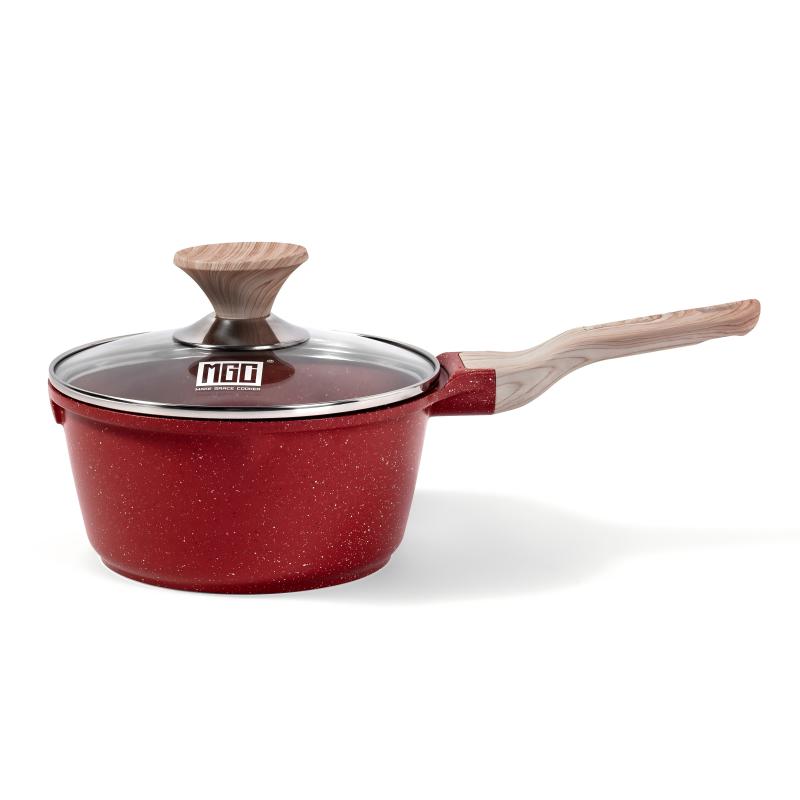
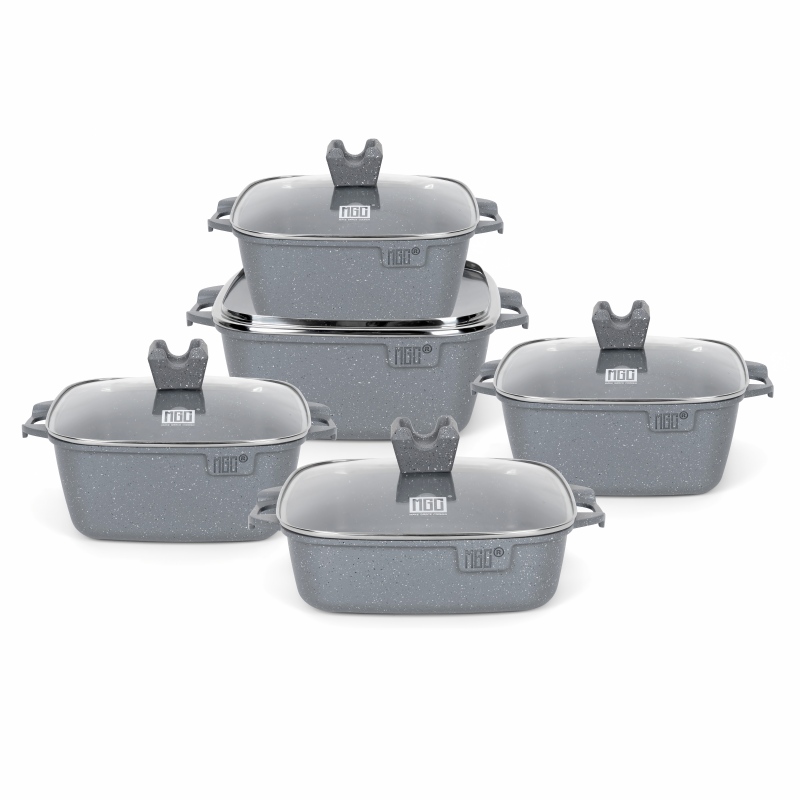
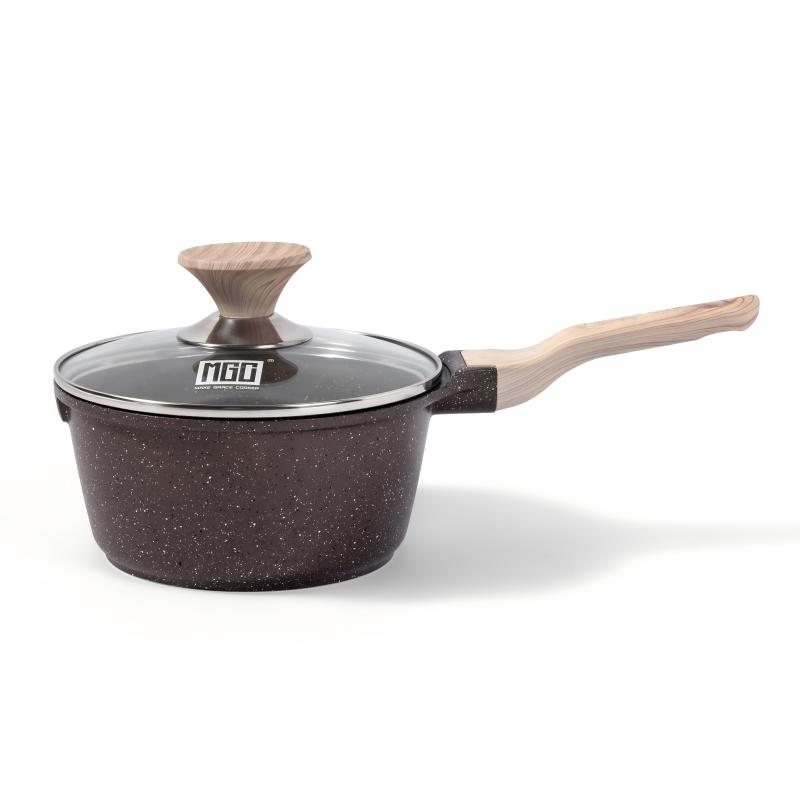
Nonstick frying pans are common products in household cookware collections because their coated cooking surfaces are designed to help food release more easily and simplify routine cleanup. They are used for preparing eggs, pancakes, vegetables, fish, and many other everyday dishes. Available designs can vary in pan diameter, depth, body material, coating type, handle construction, and exterior finish. For businesses sourcing these products, selecting a nonstick pan manufacturer requires careful evaluation of both product specifications and commercial terms. Importers and cookware brands should confirm the coating details, intended use, recommended care instructions, and supported cooking surfaces for every model. Induction compatibility requires a suitable magnetic base, while oven and dishwasher suitability depend on the specific product design and manufacturer instructions. Private label buyers should clarify logo options, packaging requirements, sample approval, minimum order quantities, and production lead times before confirming an order. They should also review relevant product documentation and quality inspection arrangements for their target market. MGC Cookware is an option to explore when researching nonstick cookware sourcing. Visit https://www.mgccookware.com/ to review available products and contact the company about current models, specifications, customization options, pricing, and order requirements.

Frequently Asked Questions

What should I consider when choosing a nonstick pan manufacturer?

Evaluate the available pan range, body materials, coating specifications, product consistency, customization options, and documentation. Commercial factors also matter, including minimum order quantities, production lead times, packaging, payment terms, and shipping arrangements. Request samples and written specifications so your team can assess whether the proposed products meet your requirements before ordering.
Some manufacturers offer private label options such as logo application, packaging customization, or selected product design variations. Availability depends on the supplier and specific model. Before proceeding, confirm customization methods, artwork requirements, sample approval procedures, minimum order quantities, additional costs, and production schedules with the manufacturer.
Nonstick frying pans may use aluminum or other cookware body materials with different coating systems and base constructions. Each design has its own characteristics and care requirements. Buyers should request detailed specifications for the actual model instead of assuming that every pan uses the same material, coating, or performance characteristics.
Start by requesting samples, product specifications, coating information, and applicable test or compliance documentation for your destination market. Define inspection criteria for dimensions, finish, handle attachment, packaging, and other relevant features. Clarify how production batches are checked and how defects are handled. Independent testing may be appropriate when required by your market or purchasing policy.
Visit https://www.mgccookware.com/ and contact MGC Cookware with your target market, preferred pan sizes, coating requirements, estimated order volume, and packaging preferences. Ask the company to confirm available models, customization options, minimum order quantities, pricing, production arrangements, and lead times. These details will help determine whether the available products fit your sourcing plan.

Related article

Participation in the 139th Canton Fair

25

Aug

Participation in the 139th Canton Fair

Discover how our annual Canton Fair participation unlocks global B2B opportunities, quality sourcing, and real-time market insights. Connect with us now!
View More
Proper Cleaning Methods to Extend the Life of a Durable Non Stick Pan.

18

Sep

Proper Cleaning Methods to Extend the Life of a Durable Non Stick Pan.

Learn proper cleaning methods to extend your durable non stick pan's life. Right kitchen habits protect the coating and keep food releasing cleanly.
View More
Proper Cleaning Methods to Extend the Life of a Durable Non Stick Pan.

18

Sep

Proper Cleaning Methods to Extend the Life of a Durable Non Stick Pan.

Learn proper cleaning methods to extend your durable non stick pan's life. Right kitchen habits protect the coating and keep food releasing cleanly.
View More
How to Extend the Lifespan of Your Cookware Through Proper Use?

18

Sep

How to Extend the Lifespan of Your Cookware Through Proper Use?

Learn how to extend the lifespan of your cookware through proper use, smart cooking habits, cleaning methods, and everyday kitchen care tips.
View More

Customer Testimonials

Cookware Brand Purchasing Manager

A well organized product range helps cookware brands compare pan designs, coating options, sizes, and specifications when planning a new retail collection.

International Kitchenware Buyer

Detailed product information helps importers evaluate cookware options, prepare accurate product listings, and align purchasing decisions with their target markets.

Get a Free Quote

Our representative will contact you soon.
Email
Mobile/WhatsApp
Name
Company Name
Message
0/1000
Define Product Specifications Before Production

Define Product Specifications Before Production

A detailed product specification helps buyers and manufacturers establish a shared understanding of the required cookware. Important details may include pan diameter, depth, body material, coating type, base construction, handle design, color, and packaging. Buyers should also identify the intended cooking surfaces and confirm any requirements for induction compatibility, oven use, or dishwasher cleaning. These features should be verified for each proposed model rather than assumed across an entire product range. For private label projects, approved samples, artwork files, packaging layouts, and written specifications can help reduce misunderstandings during order preparation. A structured approval process makes supplier comparisons clearer and gives purchasing teams a more reliable reference for product evaluation and incoming inspection.
Evaluate Customization and Order Requirements

Evaluate Customization and Order Requirements

Private label cookware projects often involve more than selecting an existing pan design. Buyers may need to discuss logo placement, packaging artwork, labeling, carton configuration, and available color choices. Each customization option should be confirmed with the manufacturer because requirements and availability can differ by product model. Businesses should also ask about minimum order quantities, sample costs, production lead times, payment terms, and how specification changes are handled after approval. A written quotation should identify the products and commercial conditions being offered. For importers and retailers, this information supports more accurate budgeting and inventory planning. When contacting MGC Cookware, provide clear project requirements and ask the company to confirm which options it can currently support.
Plan Quality Checks and Market Compliance

Plan Quality Checks and Market Compliance

Quality planning should begin before a purchase order is finalized. Buyers can establish inspection criteria covering pan dimensions, surface finish, coating appearance, handle attachment, packaging, and consistency with approved samples. Depending on the destination market, relevant testing, labeling, and product compliance documentation may also be required. Businesses should identify these requirements early and confirm which documents the manufacturer can provide for the selected model. Do not assume that a document or certification for one product automatically applies to every cookware item. Buyers should also clarify how inspections are performed and how nonconforming products are addressed. By agreeing on specifications and verification procedures in advance, cookware brands and distributors can make sourcing decisions with clearer expectations and better purchasing control.