Non-Stick Coating on Cookware: B2B Guide for Retailers & Brands

Get up to 35% off + Free shipping Shop now

Call Us:+86-579-86903988

Non Stick Coating on Cookware for Modern Kitchenware Markets

Non Stick Coating on Cookware for Modern Kitchenware Markets

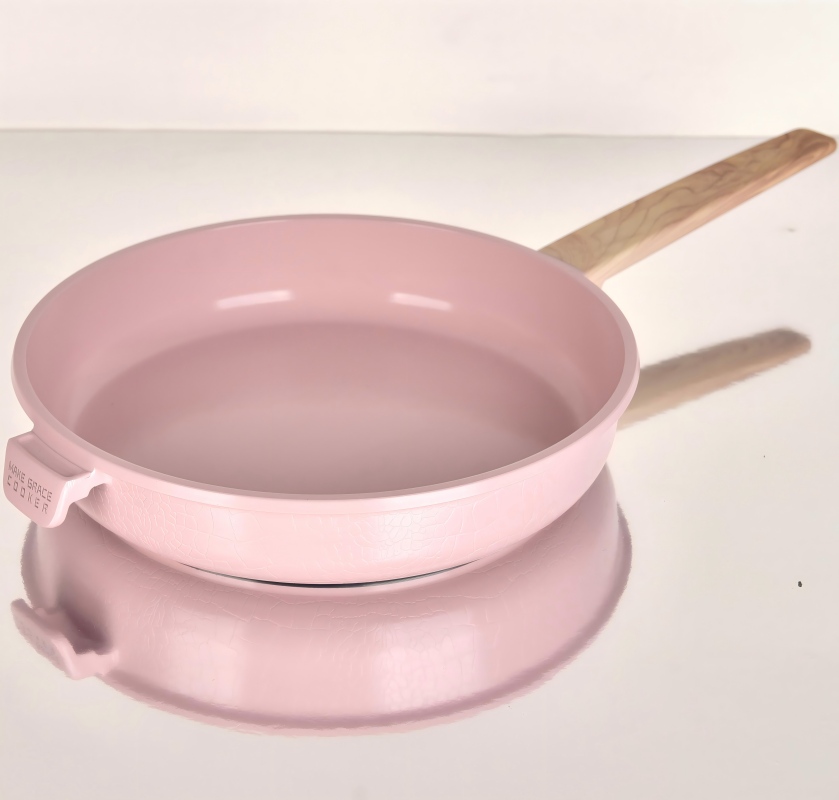
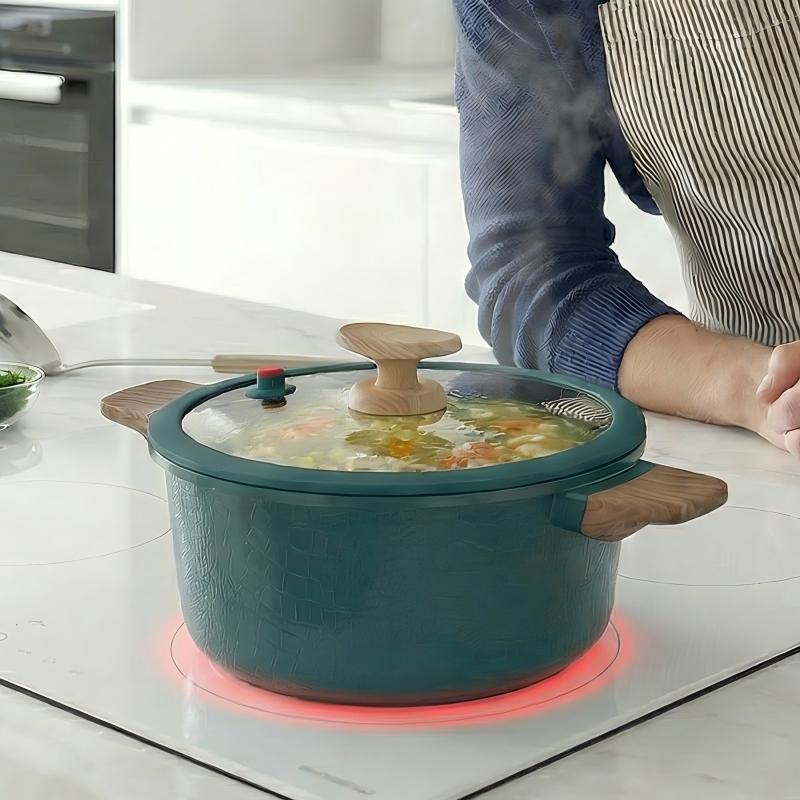
Non stick coating on cookware is designed to reduce food adhesion, making tasks such as cooking eggs, pancakes, and delicate fish easier when the cookware is used correctly. A suitable coating may also simplify cleaning and reduce the need for excess cooking oil in some recipes. Performance depends on the coating formulation, cookware construction, temperature control, and maintenance practices. For retailers and distributors, consistent surface quality and clear product documentation are important when evaluating different cookware ranges. Buyers should check the manufacturer's recommended temperature limits, utensil guidance, and cleaning instructions before making performance claims. MGC Cookware can be contacted to confirm available cookware products and discuss specifications for wholesale or private label projects.
Get A Quote

Case Study

Everyday Home Cooking

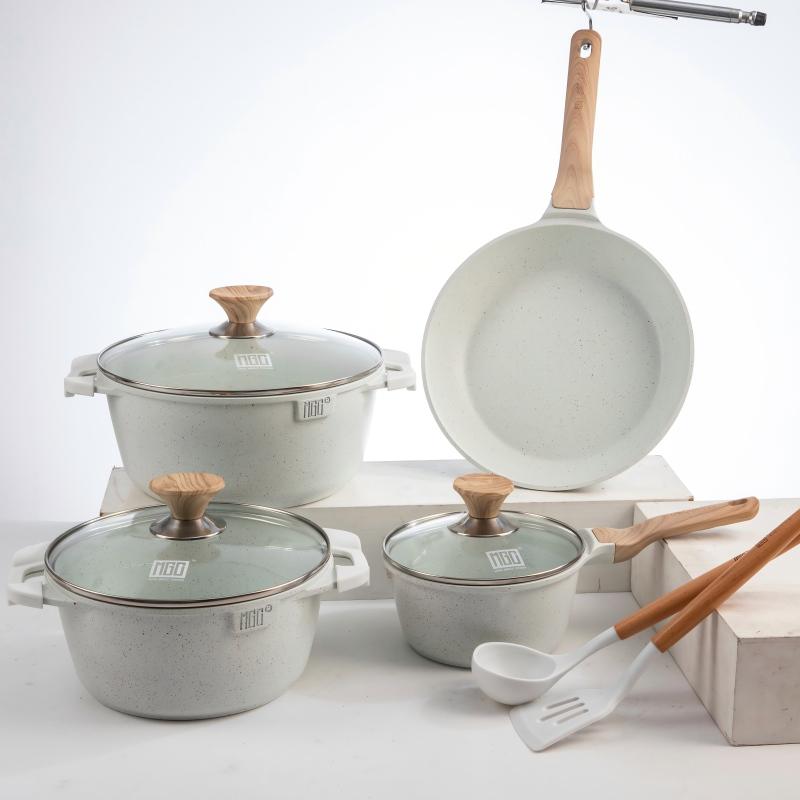
Non stick coated cookware is commonly selected for everyday recipes that involve delicate ingredients or sticky mixtures. Eggs, pancakes, omelets, and certain fish dishes can be easier to turn when the surface is in good condition and the pan is used at an appropriate temperature. Homeware retailers can explain these practical applications through product descriptions and recipe suggestions. For example, a cookware set featuring different pan sizes can help households prepare breakfast, quick lunches, and simple dinners. Buyers should avoid promising identical results across all products because performance varies by coating and construction. Clear care guidance helps customers maintain the surface and use the cookware as intended.

Retail Product Selection and Distribution

Kitchenware retailers and distributors need clear information when comparing cookware with different non stick coatings. Important considerations include coating composition, base material, pan thickness, handle design, cooktop compatibility, and recommended cleaning methods. A purchasing team might compare several sample frying pans by reviewing surface uniformity, handling comfort, and product documentation before approving an assortment. Retail product pages should distinguish verified specifications from general marketing claims. Buyers should also confirm applicable food contact requirements and request supporting documents from suppliers. This process helps distributors communicate accurate product features, select suitable products for different customer groups, and reduce misunderstandings during wholesale purchasing and after sales support.

Private Label Cookware Development

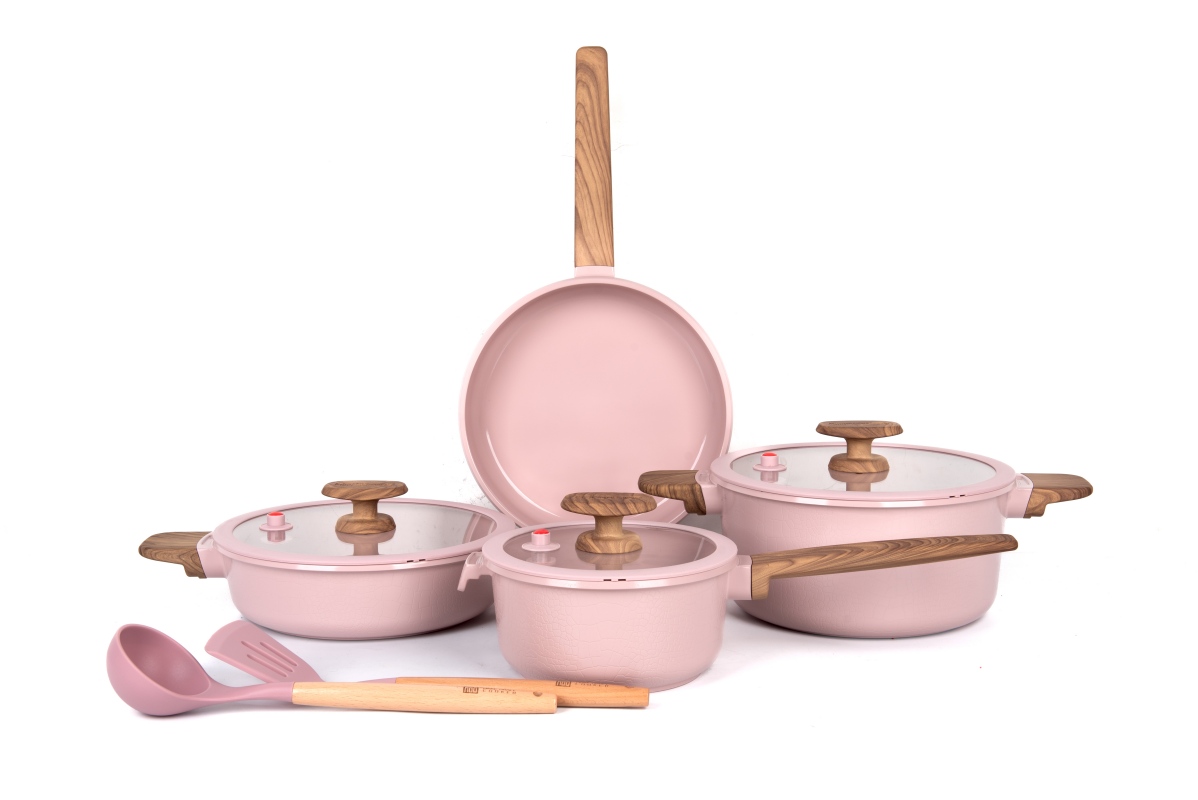
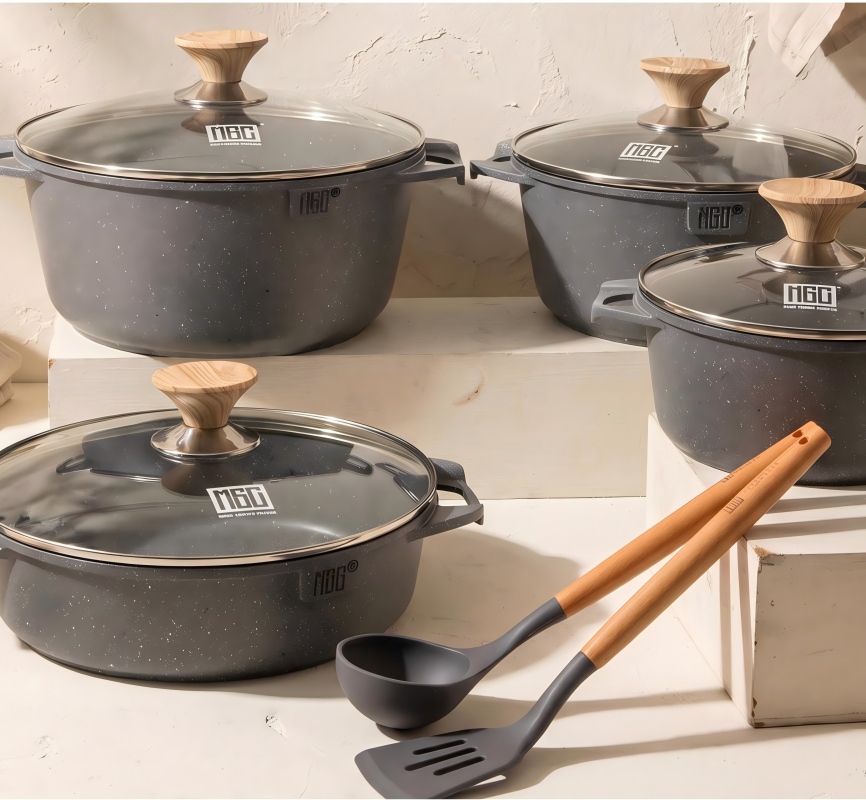
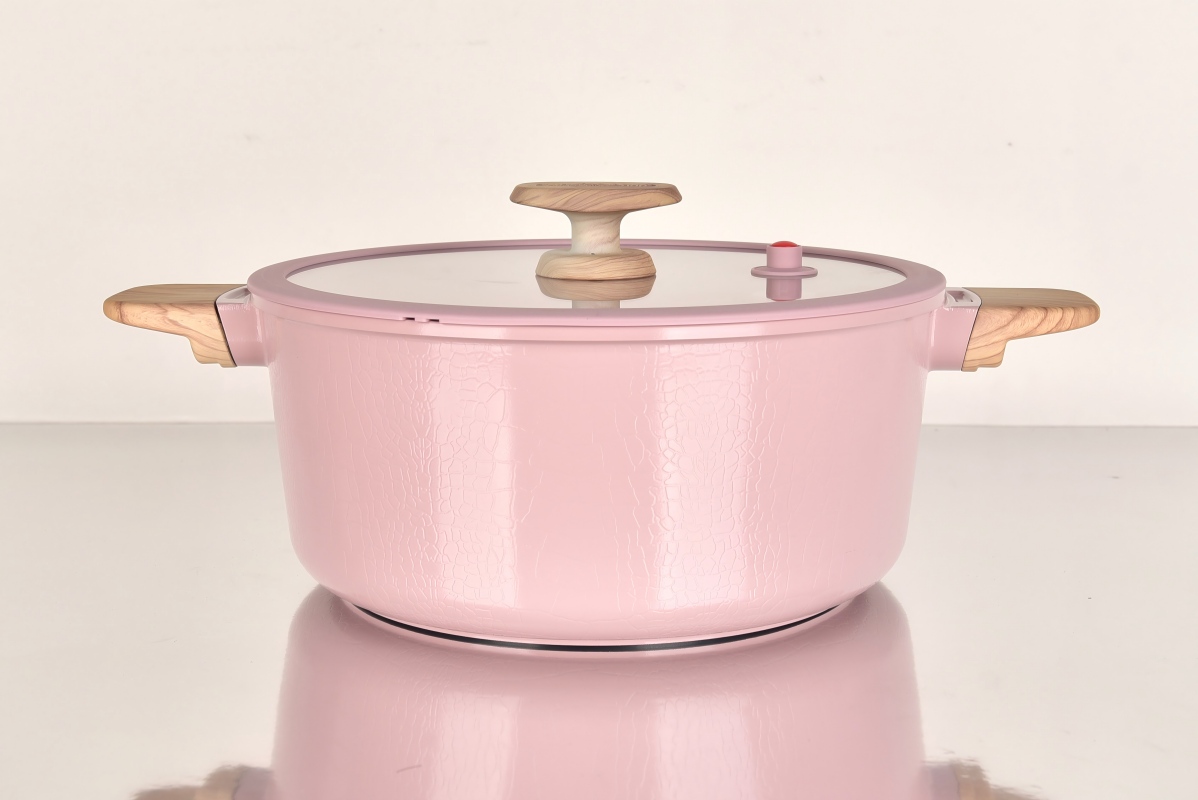
Brands creating private label cookware collections may evaluate non stick coated frying pans, saucepans, and coordinated sets for everyday cooking markets. Customization may include exterior colors, handle styles, packaging, and branding, depending on the supplier's capabilities. Before production, buyers should define coating specifications, dimensional tolerances, performance requirements, labeling details, and inspection standards. Reviewing samples helps confirm appearance and usability before a bulk order is approved. Commercial discussions should also address minimum quantities, lead times, packaging protection, and relevant testing documentation. MGC Cookware can be approached to confirm current product offerings and determine whether suitable cookware options are available for a particular private label project.

Related products

Non stick coating on cookware creates a surface designed to reduce food adhesion during cooking. Depending on the product, coatings may use different materials and formulations, so buyers should identify the exact coating type before comparing suppliers. Performance and service life depend on coating quality, cookware construction, cooking temperature, utensil selection, and cleaning practices. Consumers should follow manufacturer instructions, avoid overheating, and use utensils and cleaning tools suitable for the specific surface. For commercial buyers, important factors include coating specifications, base material, handle construction, cooktop compatibility, packaging, and relevant food contact documentation. For example, a retailer developing a frying pan collection can compare product samples and technical information using a consistent evaluation checklist. MGC Cookware offers a starting point for businesses exploring cookware solutions. Contact the company to confirm current availability, product specifications, customization options, minimum order quantities, and shipping arrangements before placing a wholesale order.

Frequently Asked Questions

What is non stick coating on cookware?

Non stick coating is a surface treatment designed to reduce food adhesion during cooking. Different cookware products use different coating formulations, each with specific performance and care requirements. Buyers should review the manufacturer's documentation to identify the coating type and recommended usage conditions.
A non stick surface can help food release more easily, which may simplify cleaning after cooking. Results depend on the coating condition, cooking temperature, and ingredients used. Following manufacturer cleaning instructions and avoiding abrasive tools can help maintain the surface.
Temperature limits vary according to the coating formulation and cookware construction. Excessive heat can damage some surfaces and reduce their performance. Always follow the manufacturer's maximum temperature guidance and avoid preheating an empty pan unless the product instructions specifically permit it.
Buyers should examine coating uniformity, surface finish, product construction, technical specifications, and relevant test documentation. Sample evaluation and agreed inspection criteria can help compare suppliers. They should also verify food contact compliance and confirm that product claims are supported by evidence.
Users should follow the product's care instructions, use suitable utensils, avoid overheating, and clean the surface with recommended tools. Allowing cookware to cool as directed before washing can help avoid thermal stress. Replace cookware when damage makes continued use inconsistent with manufacturer guidance.

Related article

New National Agency Established

28

Jul

New National Agency Established

Just launched: exclusive national agency in Kazakhstan with Almaty wholesale center. Streamline distribution, cut logistics costs, and scale market access. Request partnership details now.
View More
New Product Development

25

Aug

New Product Development

Struggling to sustain market relevance? Our proven 5-step new product development framework helps B2B teams launch winning solutions faster. Get the playbook now.
View More
Why Do Reliable Cookware Suppliers Matter for Product Success?

14

Sep

Why Do Reliable Cookware Suppliers Matter for Product Success?

A reliable cookware supplier shapes your product quality, supply chain, and sourcing outcomes. Discover what sets a dependable kitchenware supplier apart.
View More
Proper Cleaning Methods to Extend the Life of a Durable Non Stick Pan.

18

Sep

Proper Cleaning Methods to Extend the Life of a Durable Non Stick Pan.

Learn proper cleaning methods to extend your durable non stick pan's life. Right kitchen habits protect the coating and keep food releasing cleanly.
View More

Customer Testimonials

Emily Carter

We prioritize cookware with consistent coating finishes and clear care instructions. A well specified non stick surface can simplify everyday cooking and cleaning when used according to manufacturer recommendations.

Daniel Brooks

Our sourcing process focuses on coating quality, product consistency, and documented specifications. Reviewing samples before bulk orders helps us evaluate finish quality and suitability for different customer markets.

Get a Free Quote

Our representative will contact you soon.
Email
Mobile/WhatsApp
Name
Company Name
Message
0/1000
Coating Performance and Surface Consistency

Coating Performance and Surface Consistency

Consistent coating quality is a key consideration when sourcing non stick cookware for retail and distribution. Buyers should assess surface uniformity, coating adhesion, finish quality, and the manufacturer's documented performance specifications. The cookware body and coating must also be considered together because construction affects heat distribution and overall usability. For example, a purchasing team can compare sample frying pans using the same inspection checklist, recording visible defects, dimensions, and handling characteristics. Claims about durability, scratch resistance, or service life should be supported by appropriate testing rather than appearance alone. This evaluation process helps businesses compare products more objectively and select cookware suited to their intended market.
Practical Care Guidance for Longer Use

Practical Care Guidance for Longer Use

Appropriate care helps preserve the performance of many non stick cookware surfaces. Recommended practices depend on the exact coating, but may include moderate heat settings, suitable utensils, and nonabrasive cleaning methods. Consumers should check whether the product permits dishwasher use and follow the stated temperature limits. Retailers can provide care information through packaging, product pages, and instruction sheets to help customers avoid common mistakes. For example, clear guidance on utensil selection and cleaning can reduce unnecessary surface damage caused by unsuitable tools. Buyers should ensure that all care instructions match the specific product model and are consistent with the manufacturer's documentation.
Wholesale Opportunities for Cookware Brands

Wholesale Opportunities for Cookware Brands

Non stick cookware can support product collections aimed at home cooks, kitchenware retailers, and private label brands. When sourcing products, businesses should compare coating type, body material, available sizes, handle design, cooktop compatibility, packaging, and order requirements. They should also request samples and relevant technical documentation before confirming bulk purchasing decisions. A standardized supplier checklist can help purchasing teams compare product options and clarify which performance claims are substantiated. MGC Cookware can be contacted to discuss its current cookware range and determine whether suitable products are available for a specific business requirement. Confirming specifications, customization terms, and delivery schedules in advance helps buyers plan product launches more effectively.