Ceramic Skillet Sourcing Guide for B2B Buyers [2024]

Get up to 35% off + Free shipping Shop now

Call Us:+86-579-86903988

Customer Reviews for Ceramic Skillet Solutions

Customer Reviews for Ceramic Skillet Solutions

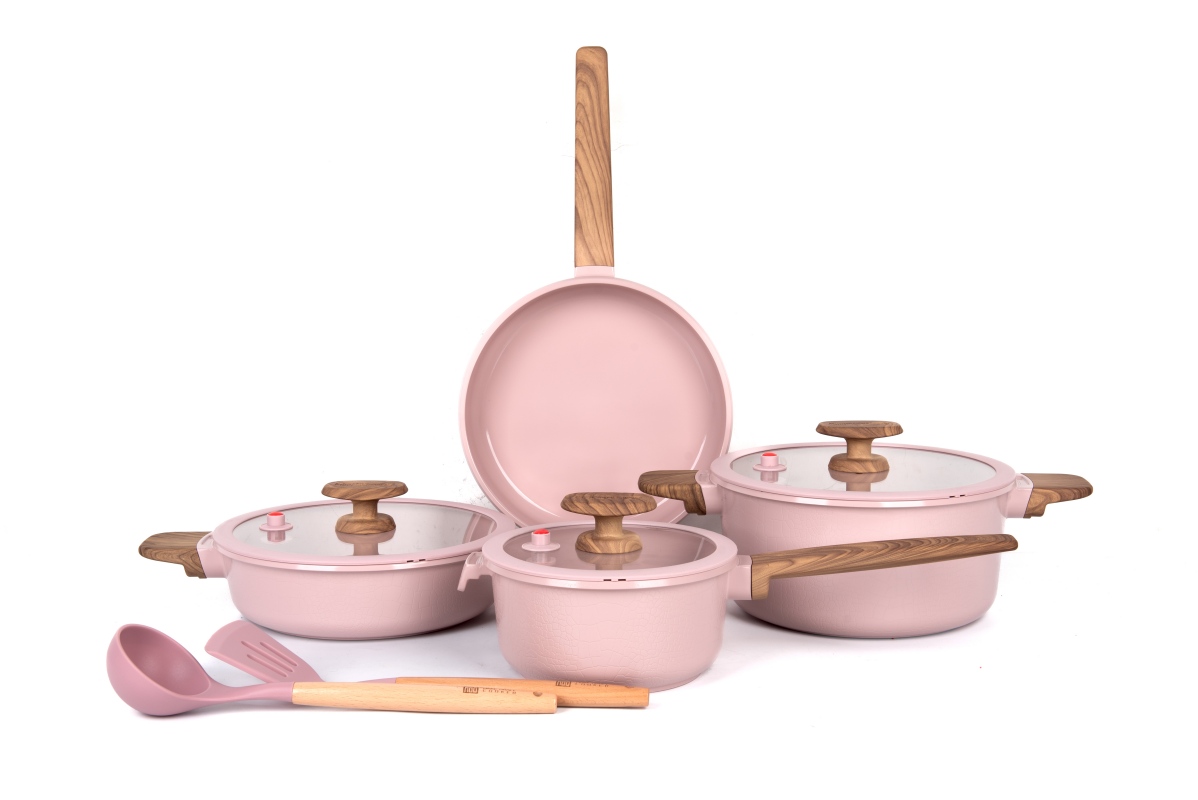
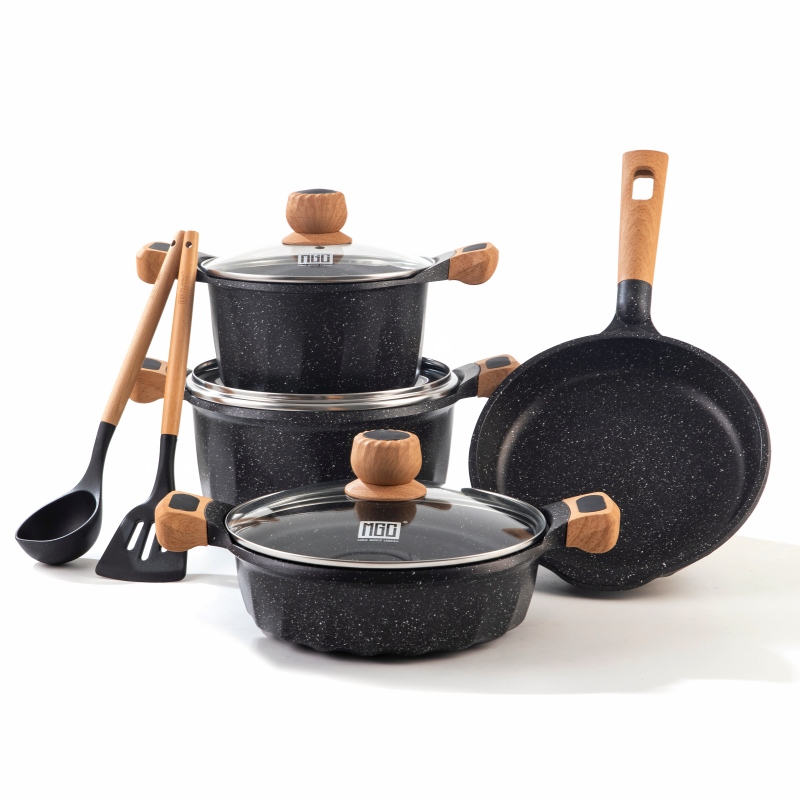
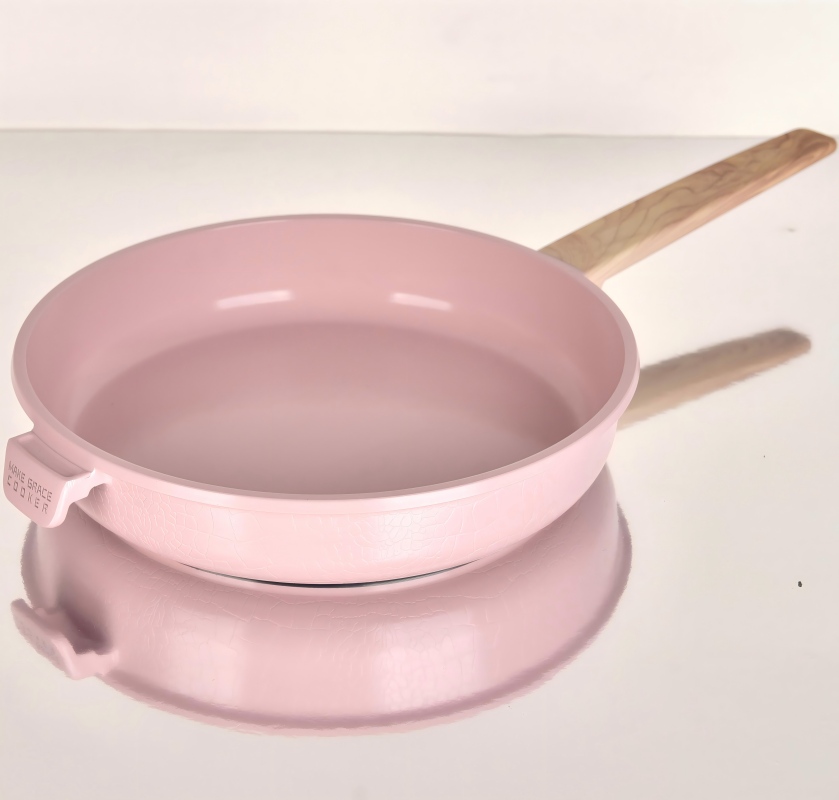
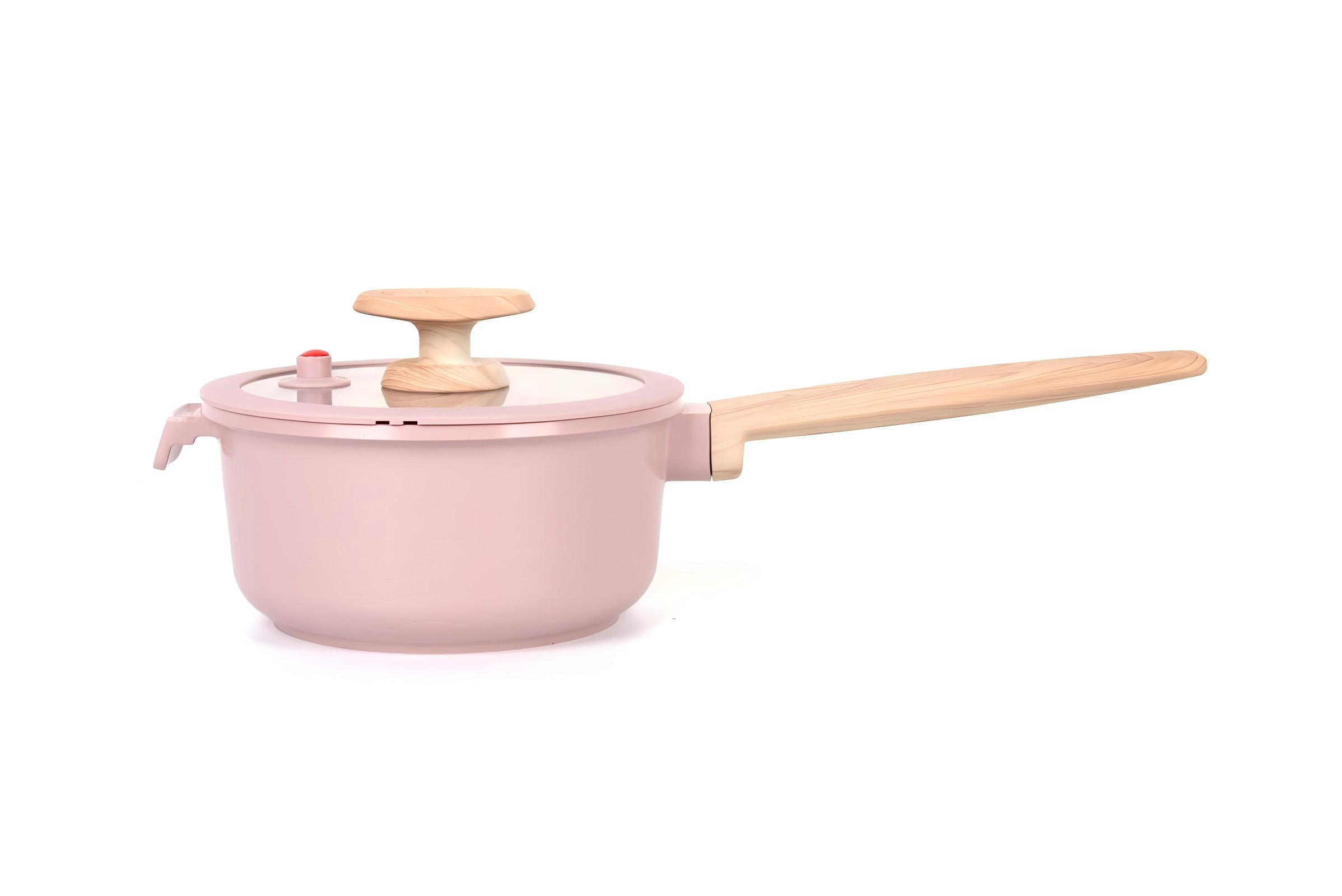
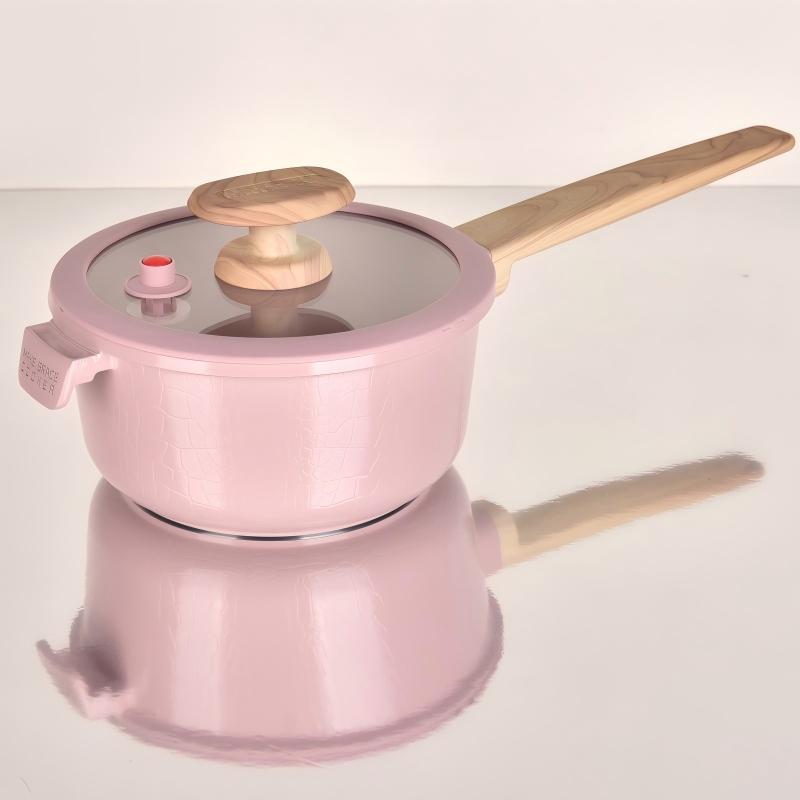
A ceramic skillet can bring together contemporary design, convenient cooking, and versatile everyday use. Depending on its construction and coating system, it may offer a smooth cooking surface that helps reduce food sticking when used with suitable heat settings and cooking practices. Ceramic coated skillets are available in different sizes, shapes, colors, and handle designs, allowing cookware brands and retailers to develop product collections for different customer preferences. For B2B buyers, important selection factors include the base material, coating specifications, heat distribution, handle stability, cleaning requirements, and compatibility with the intended cooktop. MGC Cookware can be contacted to discuss available cookware options and sourcing requirements. Buyers should confirm product specifications, sample performance, packaging options, and applicable compliance documentation before placing bulk orders.
Get A Quote

Case Study

Retail Cookware Collections

Retailers can consider ceramic skillets for cookware collections designed around everyday convenience and modern kitchen aesthetics. A range of diameters, exterior colors, and handle styles can help create product assortments for different household sizes and price points. When evaluating products, purchasing teams should compare the coating system, body material, base thickness, weight, and care instructions rather than relying on appearance alone. Clear product information can also help consumers understand suitable cooking temperatures and cleaning methods. For retail programs, consistent specifications and reliable packaging are important considerations. Buyers can contact MGC Cookware to discuss available options and determine whether specific ceramic skillet designs align with their assortment and purchasing requirements.

Kitchenware Brands and Private Label Programs

Kitchenware brands looking to expand their cookware portfolio may evaluate ceramic skillets as a complementary category. Product development can focus on practical details such as ergonomic handles, stable bases, coordinated exterior finishes, and sizes suited to different cooking tasks. Before confirming a design, buyers should review the intended coating performance, temperature limitations, recommended utensils, and maintenance requirements. Sample evaluation can help teams assess handling, food release, balance, and ease of cleaning under realistic use conditions. Packaging and labeling should communicate care instructions accurately and avoid unsupported performance claims. MGC Cookware can be contacted to explore potential sourcing arrangements and clarify which product specifications or customization options may be available.

Hospitality and Food Service Purchasing

Hospitality buyers may consider ceramic skillets for selected kitchen applications where the cookware's size, weight, and maintenance requirements match the workflow. However, suitability depends on the actual product design and the intensity of use. Commercial kitchens should examine durability information, recommended heating practices, cleaning procedures, and any restrictions on dishwasher or oven use. A ceramic coating should not automatically be assumed to withstand rough handling, excessive heat, or continuous high-volume cooking. Purchasing teams can compare samples with their operational needs and establish clear replacement and maintenance expectations. Before bulk purchasing, buyers should confirm product specifications and verify that the selected cookware is appropriate for the intended food service environment.

Related products

A ceramic skillet is a cookware option commonly selected for its smooth cooking surface, contemporary appearance, and versatility in everyday meal preparation. Depending on the design, it can be used for tasks such as cooking eggs, sautéing vegetables, preparing pancakes, or searing suitable ingredients at controlled temperatures. The actual cooking experience depends on the skillet's base material, coating formulation, thickness, and heat distribution. For B2B buyers, choosing a ceramic skillet involves more than comparing colors and prices. Consider the diameter, depth, handle construction, cooktop compatibility, coating care requirements, packaging, and applicable product documentation. Some ceramic coated skillets are compatible with induction cooktops, while others are not; compatibility depends on the base construction rather than the coating alone. MGC Cookware can be contacted to discuss available cookware products and sourcing needs. Request detailed specifications and evaluate samples before confirming a purchase order.

Frequently Asked Questions

What Is a Ceramic Skillet?

A ceramic skillet is generally a frying pan with a ceramic based cooking surface or a ceramic coating over a metal body. Many products use an aluminum or other metal base for heat distribution. The exact construction varies, so buyers should review the manufacturer's specifications to understand the materials, care requirements, and intended use.
Many ceramic coated skillets are designed to provide food release and reduce sticking when used correctly. Performance depends on the coating, cooking temperature, ingredients, and maintenance. Using moderate heat, suitable utensils, and proper cleaning can help preserve the surface. Buyers should assess product samples rather than assume all ceramic skillets perform identically.
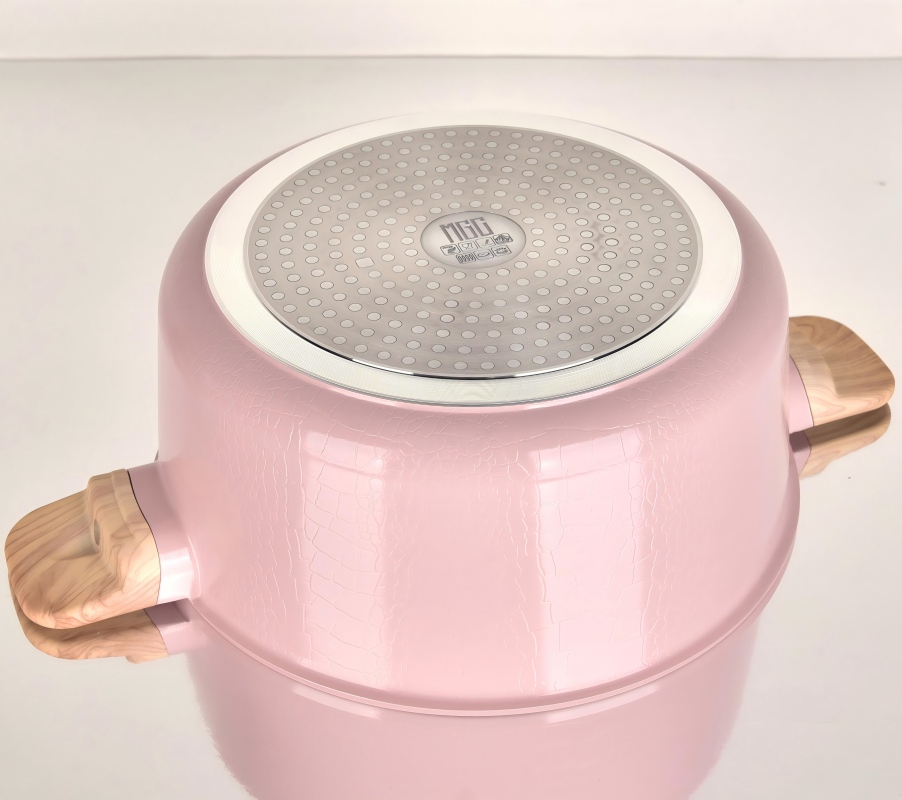
Some ceramic skillets work on induction cooktops, but not every model is compatible. Induction cooking requires a suitable magnetic base, which is separate from the ceramic coating. Check the product specifications or test the pan with the intended cooktop before purchasing. Compatibility should be confirmed for each specific model.
Allow the skillet to cool before cleaning, then wash it with warm water, mild dish soap, and a soft sponge unless the product instructions specify otherwise. Avoid abrasive scrubbers and sudden temperature changes that may damage the cookware. Always follow the manufacturer's care guidance, especially regarding dishwasher use and cleaning products.
B2B buyers should verify the pan's dimensions, body material, coating specifications, handle construction, cooktop compatibility, packaging, and care instructions. It is also useful to review sample quality, applicable compliance documents, order quantities, lead times, and available customization. Confirming these details before production helps align the product with market and customer requirements.

Related article

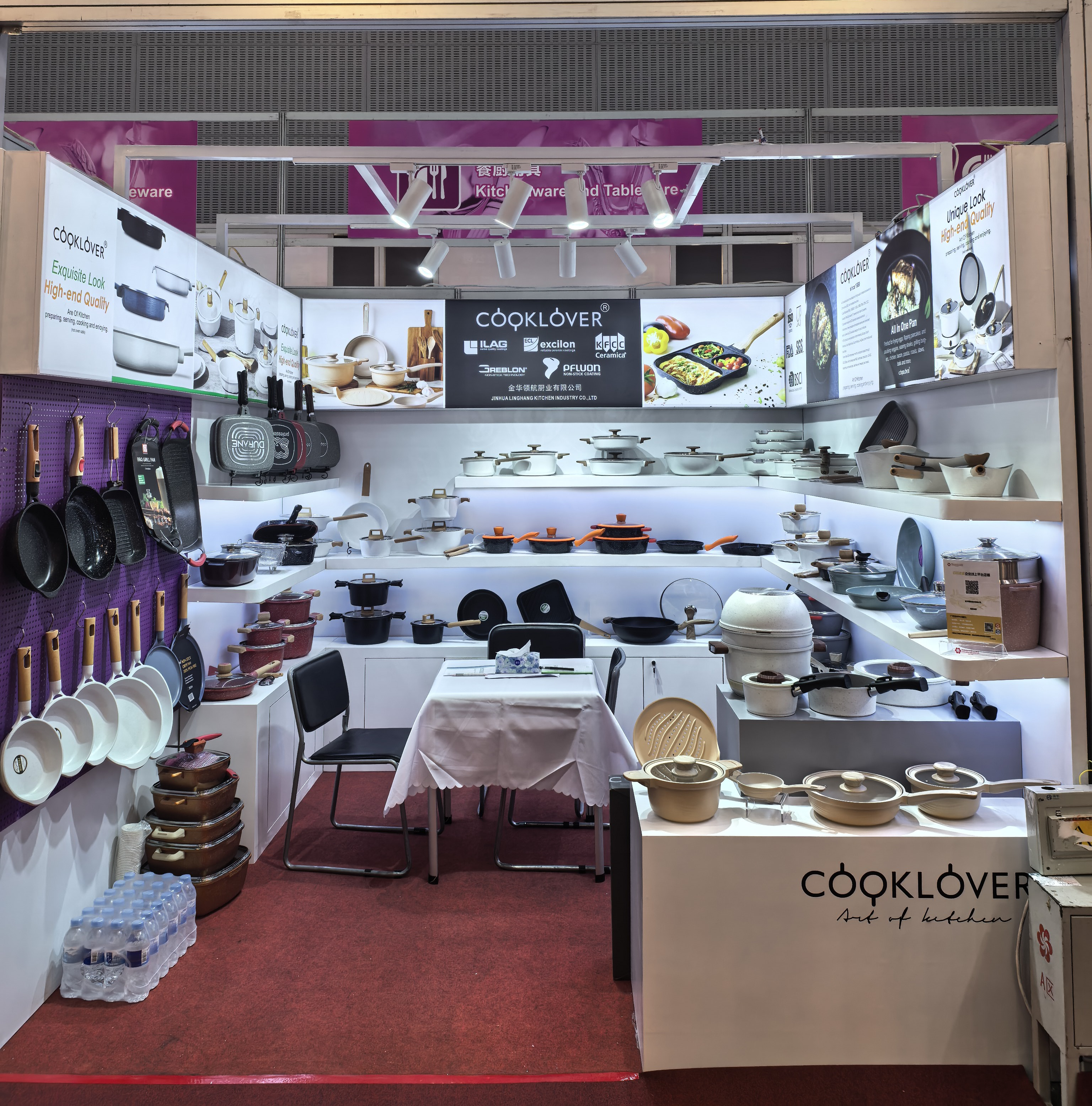
Participation in the 139th Canton Fair

25

Aug

Participation in the 139th Canton Fair

Discover how our annual Canton Fair participation unlocks global B2B opportunities, quality sourcing, and real-time market insights. Connect with us now!
View More
Why Do Reliable Cookware Suppliers Matter for Product Success?

14

Sep

Why Do Reliable Cookware Suppliers Matter for Product Success?

A reliable cookware supplier shapes your product quality, supply chain, and sourcing outcomes. Discover what sets a dependable kitchenware supplier apart.
View More
How to Choose the Best Cookware for Different Cooking Methods?

18

Sep

How to Choose the Best Cookware for Different Cooking Methods?

Discover how to match cookware to your cooking methods. A practical guide covering materials, heat needs, and kitchen tools for every cooking style.
View More
How to Extend the Lifespan of Your Cookware Through Proper Use?

18

Sep

How to Extend the Lifespan of Your Cookware Through Proper Use?

Learn how to extend the lifespan of your cookware through proper use, smart cooking habits, cleaning methods, and everyday kitchen care tips.
View More

Customer Testimonials

Michael Turner

We appreciate the consistent quality and practical design of these ceramic skillets. They offer an attractive cooking surface and suit a variety of everyday kitchen needs.

Sophia Bennett

The ceramic skillet category provides appealing options for retailers seeking modern cookware. The combination of convenient cooking performance and contemporary styling makes it worth considering.

Get a Free Quote

Our representative will contact you soon.
Email
Mobile/WhatsApp
Name
Company Name
Message
0/1000
Designed for Everyday Cooking

Designed for Everyday Cooking

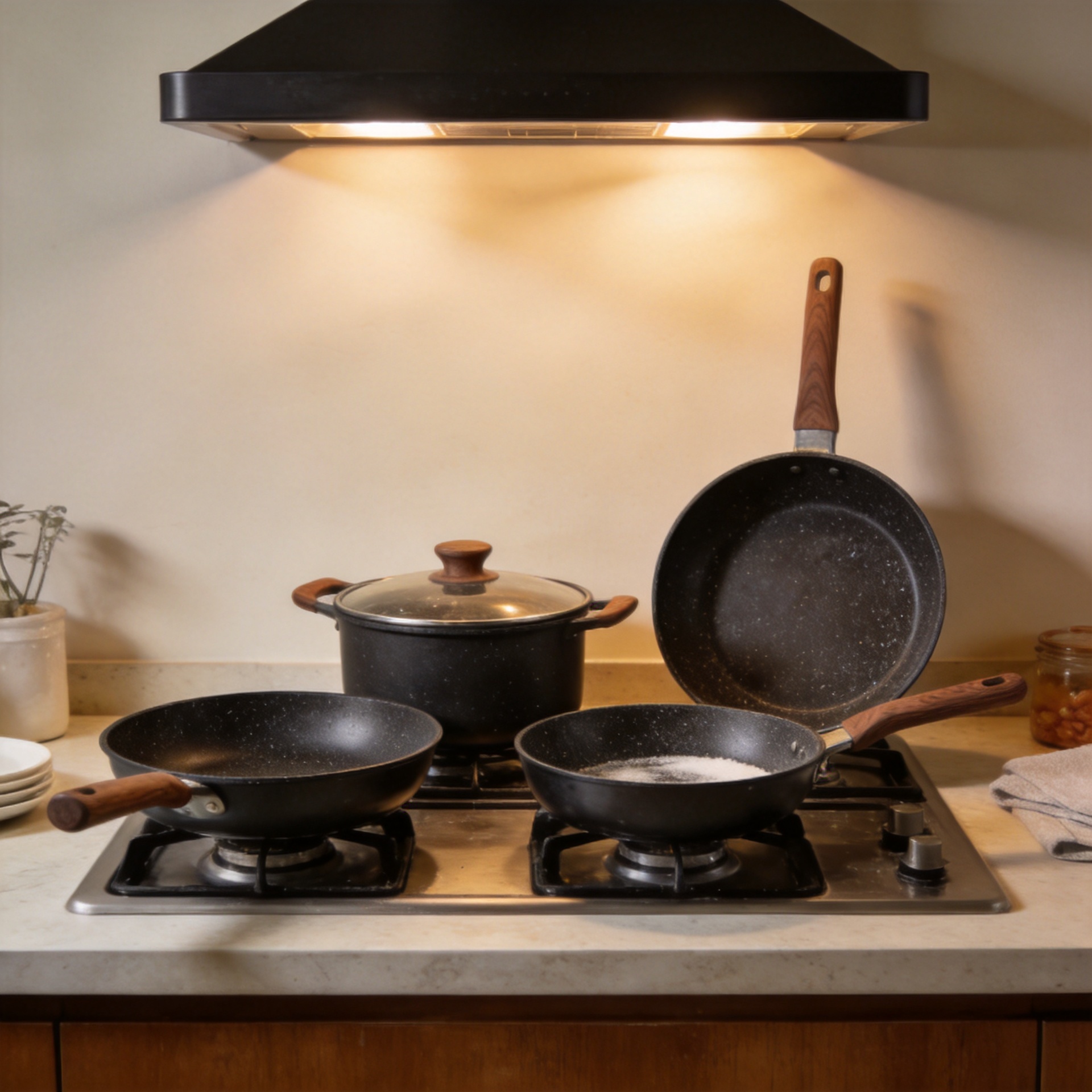
Ceramic skillets can suit a range of routine cooking tasks, from preparing breakfast to sautéing vegetables and making quick meals. Their smooth cooking surfaces and contemporary appearance appeal to buyers developing practical cookware collections. Actual food release and heating performance depend on the product's construction and correct use. Selecting suitable sizes, handle designs, and care instructions helps retailers match products to different customer needs. Buyers should evaluate the full specification rather than judge performance by coating appearance alone.
Flexible Options for Cookware Assortments

Flexible Options for Cookware Assortments

Ceramic skillets may be available in different sizes, shapes, exterior finishes, and handle configurations, depending on the product range. This variety can help cookware brands and retailers build assortments for different kitchen styles and consumer preferences. For sourcing decisions, buyers should compare construction quality, coating details, base thickness, packaging, and intended cooktop compatibility. Consistent product information also supports clearer listings and better customer expectations. Contact MGC Cookware to discuss available options and confirm the specifications relevant to a particular purchasing program.
Make Informed Bulk Purchasing Decisions

Make Informed Bulk Purchasing Decisions

Successful ceramic skillet sourcing starts with clear product requirements and practical sample evaluation. Purchasing teams should assess dimensions, weight, handle comfort, heating behavior, food release, cleaning needs, and durability under recommended use conditions. For products intended for induction cooking, confirm that the base is specifically designed for induction compatibility. Buyers should also review packaging, labeling, order quantities, lead times, and applicable documentation before finalizing a supplier arrangement. A structured evaluation process helps businesses choose cookware that better matches their target market, price positioning, and expected usage.