Non-Stick Pan Scratch Prevention Guide [2024]

Get up to 35% off + Free shipping Shop now

Call Us:+86-579-86903988

Customer Feedback on Nonstick Pan Care

Customer Feedback on Nonstick Pan Care

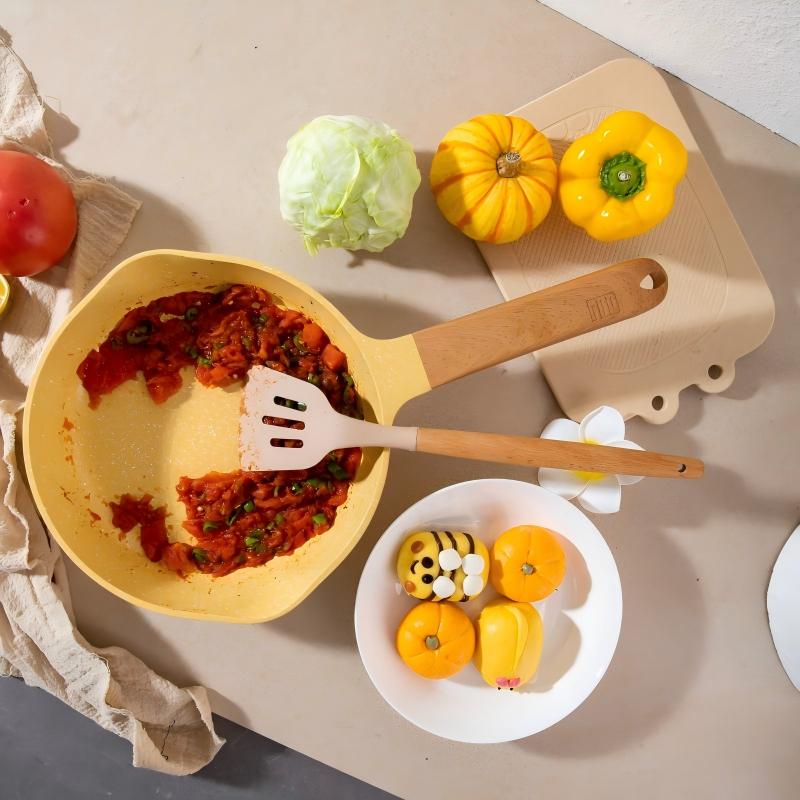
Scratches on a nonstick pan can affect its surface condition, appearance, and cooking experience. For households, choosing suitable utensils and following proper cleaning instructions can help reduce unnecessary coating wear. Silicone, wood, and manufacturer-approved nylon utensils are generally gentler options than metal tools. For example, turning eggs with a soft silicone spatula and washing the pan with a nonabrasive sponge can help protect the cooking surface during everyday use. Cookware buyers should also assess coating specifications, pan construction, and care recommendations before selecting products. For retailers and wholesalers, providing accurate maintenance guidance helps customers understand responsible cookware use and make informed purchasing decisions.
Get A Quote

Case Study

Everyday Utensil Selection

Metal spatulas, forks, and sharp utensils can scratch some nonstick surfaces, particularly when used with excessive force. In a busy home kitchen, frequent stirring and flipping may gradually affect the coating if unsuitable tools are used. Choosing silicone, wood, or other manufacturer-approved utensils can reduce this risk. For example, a silicone spatula is often a practical choice for preparing scrambled eggs or pancakes without scraping the pan unnecessarily. Consumers should follow the cookware manufacturer's instructions because coating resistance varies by product. Simple changes in utensil selection can help maintain the surface and support more careful everyday cooking.

Cleaning and Storage Practices

Improper cleaning and storage can contribute to scratches on nonstick cookware. Abrasive scouring pads, steel wool, and rough contact with other kitchen tools may damage some surfaces. After cooking, allow the pan to cool before washing it with mild detergent and a soft sponge. For example, placing a protective separator between stacked frying pans can help reduce direct contact during storage. Retailers can include these recommendations in product care guides to help customers understand proper handling. Buyers should verify the manufacturer's cleaning instructions before recommending dishwasher use or particular cleaning products, since maintenance requirements differ between cookware models.

Product Inspection and Replacement Decisions

Cookware users should regularly inspect the cooking surface for scratches, peeling, or other visible deterioration. Minor surface marks do not always indicate the same level of damage, so users should refer to the manufacturer's guidance when assessing the pan's condition. If the coating is visibly peeling or flaking, stop using the pan and follow the manufacturer's advice about replacement. For example, a household reviewing an older frying pan should check whether the surface remains intact before continuing regular cooking. Cookware brands and retailers can help customers make informed decisions by providing clear maintenance instructions, product specifications, and appropriate after-sales guidance.

Related products

Scratches on a nonstick pan may result from unsuitable utensils, abrasive cleaning tools, stacking, or incorrect handling. The degree of surface resistance depends on the coating system, cookware construction, and manufacturer specifications. PTFE-based and ceramic-based coatings have different characteristics, so care instructions should always be matched to the individual product. To reduce avoidable wear, users can choose approved silicone or wooden utensils, clean the pan with a soft sponge, and avoid sliding cookware against rough surfaces. Allowing the pan to cool before washing and placing protective separators between stacked pans can also help prevent damage. For wholesale and private-label buyers, coating specifications, sample inspection, and clear care documentation are important considerations when evaluating frying pans. Retailers should communicate realistic maintenance recommendations rather than promising that a coating is completely scratchproof. If a pan's coating begins peeling or flaking, discontinue use and consult the manufacturer's replacement guidance. Consistent care information helps customers understand product limitations and maintain cookware appropriately.

Frequently Asked Questions

What causes scratches on a nonstick pan?

Scratches can result from metal utensils, abrasive scrubbers, rough stacking, or forceful handling. The risk depends on the coating and cookware design. Following manufacturer instructions, choosing suitable utensils, and storing pans carefully can help reduce unnecessary surface damage during everyday cooking.
It depends on the condition and manufacturer's guidance. Minor marks and peeling are not equivalent, so inspect the surface carefully. If the coating is peeling or flaking, stop using the pan and follow the manufacturer's recommendations for replacement.
Silicone, wood, and manufacturer-approved nylon utensils are often gentler choices than metal tools. Use them without excessive force, and avoid cutting food directly inside the pan. Always check the cookware instructions because recommended utensils can vary with the coating system and product design.
Home repair methods generally cannot reliably restore a damaged factory-applied nonstick coating. Avoid applying unapproved paints, sprays, or other materials to the cooking surface. If the coating is peeling or substantially damaged, consult the manufacturer about replacement rather than attempting a repair.
Let the pan cool, then use warm water, mild dish soap, and a soft sponge. Avoid steel wool and abrasive cleaners unless the manufacturer specifically permits them. Follow the product's care instructions and dry the pan before storage to reduce unnecessary wear.

Related article

New Product Development

25

Aug

New Product Development

Struggling to sustain market relevance? Our proven 5-step new product development framework helps B2B teams launch winning solutions faster. Get the playbook now.
View More
Why Do Reliable Cookware Suppliers Matter for Product Success?

14

Sep

Why Do Reliable Cookware Suppliers Matter for Product Success?

A reliable cookware supplier shapes your product quality, supply chain, and sourcing outcomes. Discover what sets a dependable kitchenware supplier apart.
View More
How to Choose the Right Pan Size for Different Cooking Needs?

14

Sep

How to Choose the Right Pan Size for Different Cooking Needs?

Find the right pan size for your kitchen. Covers key criteria — from cooking portions to frying techniques — to help you choose smarter.
View More
How to Extend the Lifespan of Your Cookware Through Proper Use?

18

Sep

How to Extend the Lifespan of Your Cookware Through Proper Use?

Learn how to extend the lifespan of your cookware through proper use, smart cooking habits, cleaning methods, and everyday kitchen care tips.
View More

Customer Testimonials

Daniel Brooks

“Clear guidance on preventing scratches helps customers maintain their cookware. We value detailed care instructions that explain suitable utensils, cleaning methods, and everyday handling for nonstick pans.”

Emily Carter

“When comparing frying pans, we consider coating specifications, surface quality, and maintenance requirements. Reliable product information helps us select cookware that suits our customers' daily cooking needs.”

Get a Free Quote

Our representative will contact you soon.
Email
Mobile/WhatsApp
Name
Company Name
Message
0/1000
Gentle Utensils and Everyday Cooking Care

Gentle Utensils and Everyday Cooking Care

Suitable utensils are an important part of maintaining a nonstick cooking surface. Silicone and wooden tools can help reduce scratching when used correctly, making them practical choices for everyday tasks such as flipping pancakes, stirring sauces, and preparing eggs. Users should avoid cutting food inside the pan or scraping the surface forcefully with sharp tools. Coating characteristics vary, so manufacturer-approved utensils remain the best reference for a specific model. Retailers can reinforce these practices through packaging instructions, product pages, and care guides. Clear advice helps customers understand how simple handling choices can reduce avoidable damage during regular kitchen use.
Better Cleaning and Storage Habits

Better Cleaning and Storage Habits

Cleaning and storage routines can influence the condition of nonstick cookware over time. A soft sponge and mild detergent are generally suitable for routine handwashing, while abrasive scrubbers may damage some coatings. Users should allow pans to cool before washing and follow the manufacturer's guidance on dishwasher compatibility. When storing several pans together, protective separators can help reduce direct contact between cooking surfaces. For example, a kitchenware retailer can include simple care recommendations with a frying pan purchase to help customers establish appropriate habits. These practical measures support informed use without making unsupported promises about coating lifespan or scratch resistance.
Product Information for Informed Buyers

Product Information for Informed Buyers

Clear coating specifications help buyers understand the maintenance requirements and limitations of different frying pans. Wholesale purchasers should review sample quality, coating documentation, cookware construction, and care instructions before confirming an order. Retailers should explain which utensils and cleaning methods are recommended and provide guidance for products showing visible deterioration. For instance, an online product page can include a concise care section covering utensil selection, washing, and storage. Accurate information helps customers compare cookware responsibly and reduces confusion about scratches, peeling, and replacement. By prioritizing documented product characteristics over absolute scratchproof claims, brands can communicate more realistic expectations to international markets.