Non-Stick Pan Coating Materials: PTFE vs Ceramic Guide

Get up to 35% off + Free shipping Shop now

Call Us:+86-579-86903988

What Buyers Look for in Non Stick Pan Coating Material

What Buyers Look for in Non Stick Pan Coating Material

Non stick pan coating material is an important factor when selecting cookware for retail, wholesale, and private label projects. Common options include PTFE based coatings and sol gel coatings often marketed as ceramic nonstick coatings. Each coating system has different characteristics, care requirements, and product specifications. Buyers should compare food release performance, intended cooking applications, surface appearance, and available technical documentation before making a purchasing decision. The cookware body, coating application, and manufacturing process can also influence the finished product. For B2B buyers, clear specifications support more accurate product comparisons and purchasing decisions. MGC Cookware offers cookware options for businesses to explore. Contact the company to confirm current coating materials, available models, and wholesale requirements.
Get A Quote

Case Study

Selecting Coatings for Retail Frying Pans

A kitchenware retailer wants to expand its frying pan collection with products that meet different customer preferences and price points. Its purchasing team compares PTFE based coatings and ceramic style nonstick surfaces, reviewing available specifications, pan sizes, colors, and maintenance instructions. The team also considers the cookware body material and the intended cooking applications. Before selecting products, the retailer requests documentation to confirm the coating information and verify any proposed product claims. Clear product comparisons help the business organize its catalog and communicate differences accurately to shoppers. The final selection is based on customer demand, product specifications, and the retailer's commercial objectives.

Developing Private Label Cookware

A cookware brand plans to introduce a private label frying pan collection for supermarkets and ecommerce channels. The product team defines the required coating type, pan dimensions, handle design, exterior finish, and packaging style. It then requests product samples and checks the available technical information against its purchasing requirements. Claims about coating composition, durability, or restricted substances must be supported by appropriate documentation for the specific model. The team also confirms whether logo application and packaging customization are available, along with minimum order quantities and lead times. This structured approach helps the brand align product development, sourcing costs, and market positioning before confirming an order.

Sourcing Coated Pans for Wholesale Distribution

A kitchenware distributor wants to source coated frying pans for multiple retail customers. Its purchasing team needs consistent information about coating composition, cookware materials, recommended care, and compatible cooking surfaces. The distributor requests product specifications from potential suppliers and compares quotations using the same criteria. It also considers packaging dimensions, freight costs, order quantities, and delivery schedules when calculating total landed costs. Accurate coating details help the sales team answer customer questions and reduce the risk of unsupported claims in product listings. By confirming available models and purchasing terms with MGC Cookware, the distributor can assess whether the products suit its target markets and inventory plan.

Related products

Non stick pan coating material affects how a frying pan releases food, how it should be maintained, and which product specifications matter during sourcing. PTFE based coatings are widely used for nonstick cookware. Another option is sol gel coating, often marketed as ceramic nonstick coating. These systems differ in composition and characteristics, and performance can vary between individual formulations and products. When selecting cookware, B2B buyers should consider the coating alongside the pan body, base construction, handle design, and intended cooking applications. Product specifications should identify the coating type where available and explain recommended utensils, cleaning methods, and temperature limits. Induction compatibility also depends on the construction of the pan base, not simply the coating material. Importers and retailers should request relevant technical information and food contact compliance documentation for the specific product and destination market. Claims about PFAS content, PFOA status, heat resistance, or coating durability should be supported by appropriate evidence rather than inferred from marketing terms such as granite, marble, or stone. MGC Cookware provides cookware options for businesses exploring nonstick pan sourcing. Visit https://www.mgccookware.com/ to review available products and contact the company to confirm current coating materials, specifications, customization options, and order terms.

Frequently Asked Questions

What materials are commonly used for non stick pan coatings?

Common nonstick coating systems include PTFE based coatings and sol gel coatings marketed as ceramic nonstick coatings. Other surface treatments are also available. Their composition and performance characteristics differ, so buyers should request precise coating information for each product rather than assuming all nonstick surfaces use the same material.
PTFE is a fluoropolymer commonly used in nonstick cookware. Ceramic nonstick coatings often use sol gel technology and have a different composition. Both categories include products with varying formulations and performance characteristics. Buyers should compare product specifications, care instructions, and relevant documentation before choosing a coating for their market.
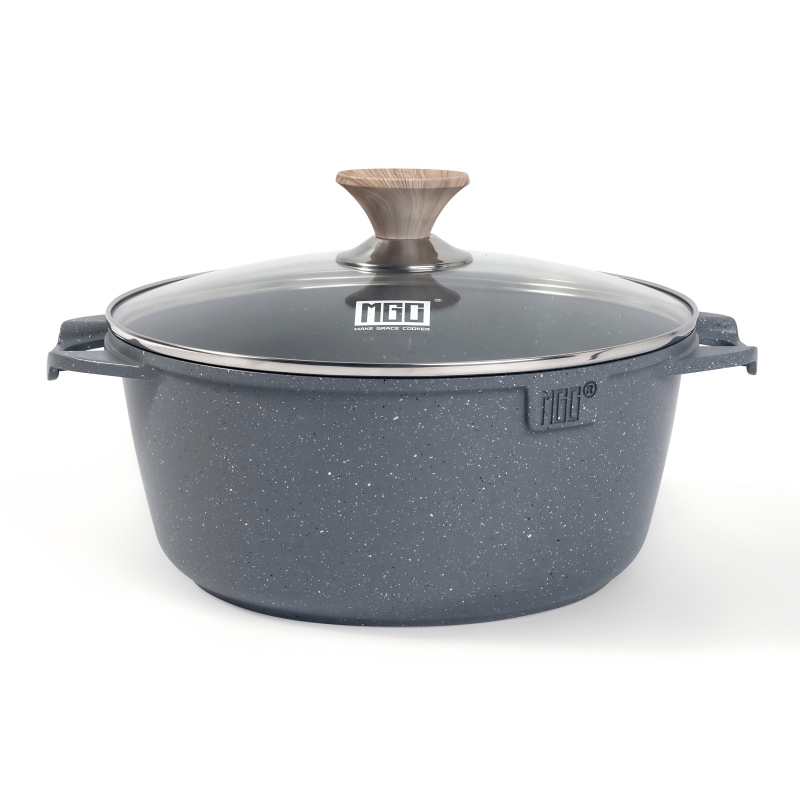
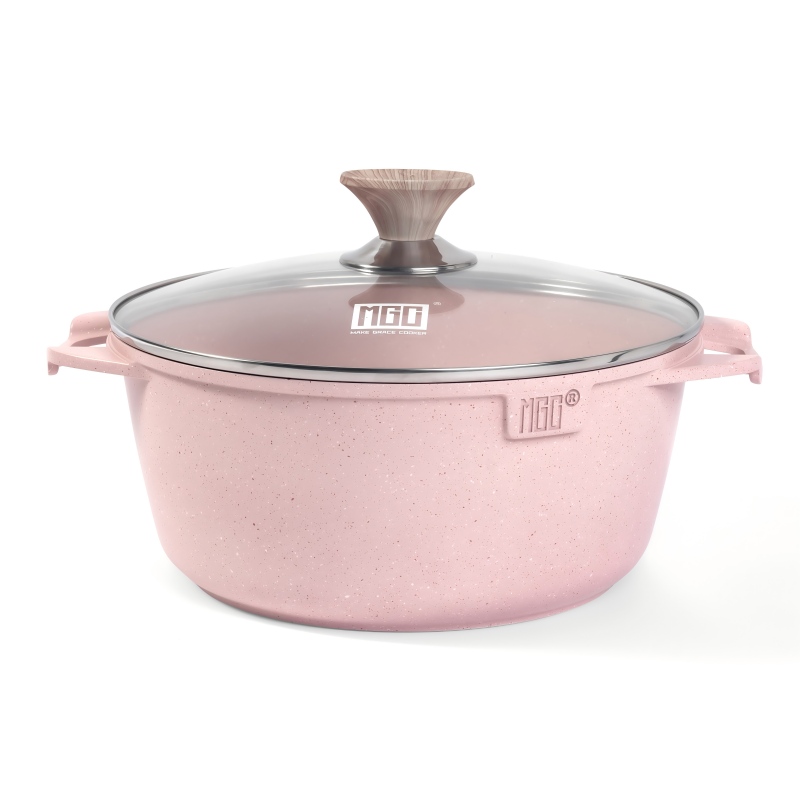
Granite coating is often a marketing term for a patterned or stone inspired nonstick finish, rather than a precise description of its chemistry. The underlying coating may use a particular nonstick system, depending on the product. Buyers should request the manufacturer's technical specifications to identify the actual coating material.
Review the coating specifications, product samples, recommended care instructions, and available test documentation. Ask suppliers about inspection procedures and the evidence supporting claims about food release or abrasion resistance. Coating performance depends on formulation, application, cookware construction, and use, so avoid relying on general marketing descriptions alone.
Visit https://www.mgccookware.com/ and contact MGC Cookware with your preferred coating type, pan dimensions, target market, and estimated order quantity. Ask the company to confirm current product availability, coating specifications, relevant documentation, customization options, minimum order quantities, pricing, and lead times before placing an order.

Related article

Participation in the 139th Canton Fair

25

Aug

Participation in the 139th Canton Fair

Discover how our annual Canton Fair participation unlocks global B2B opportunities, quality sourcing, and real-time market insights. Connect with us now!
View More
New Product Development

25

Aug

New Product Development

Struggling to sustain market relevance? Our proven 5-step new product development framework helps B2B teams launch winning solutions faster. Get the playbook now.
View More
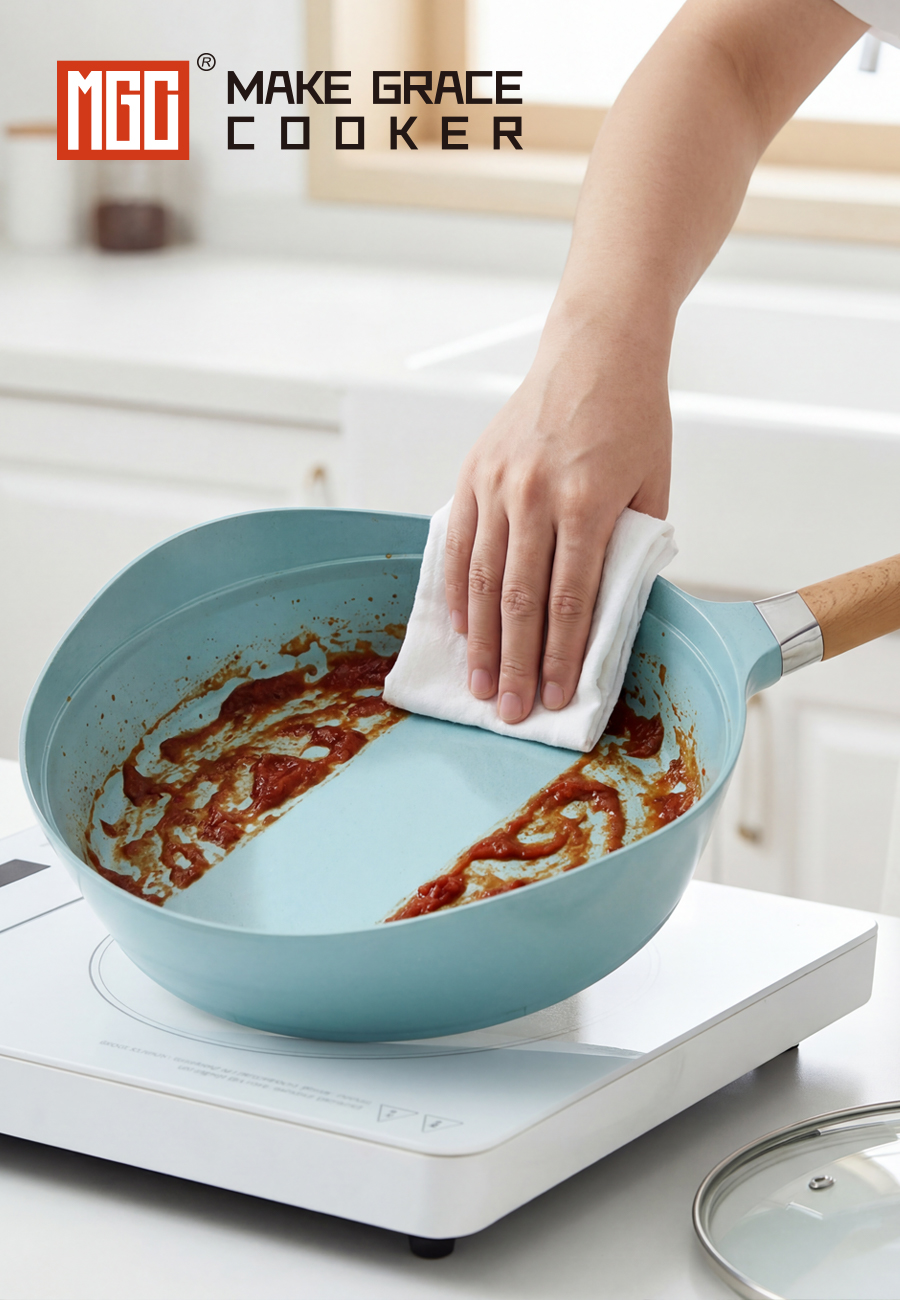
Proper Cleaning Methods to Extend the Life of a Durable Non Stick Pan.

18

Sep

Proper Cleaning Methods to Extend the Life of a Durable Non Stick Pan.

Learn proper cleaning methods to extend your durable non stick pan's life. Right kitchen habits protect the coating and keep food releasing cleanly.
View More

Customer Testimonials

Cookware Product Sourcing Manager

Comparing coating materials, product specifications, and care requirements helps cookware buyers select suitable frying pans for different markets and customer expectations.

Kitchenware Purchasing Specialist

Clear coating details and product documentation help importers evaluate cookware options and prepare accurate descriptions for wholesale catalogs and retail listings.

Get a Free Quote

Our representative will contact you soon.
Email
Mobile/WhatsApp
Name
Company Name
Message
0/1000
Compare Coating Types and Specifications

Compare Coating Types and Specifications

Choosing a nonstick pan coating starts with understanding the difference between coating chemistry and product marketing terminology. PTFE based coatings and sol gel ceramic coatings have different compositions, while terms such as granite, marble, and stone may describe a visual finish rather than fully identify the material. Buyers should request technical specifications for the exact pan model and compare its intended use, care requirements, surface characteristics, and supporting test information. The cookware body and coating application also influence the finished product. For importers and distributors, these details support better supplier comparisons and more accurate product descriptions. A clear specification helps purchasing teams select cookware that matches their customers' requirements without making assumptions about coating performance.
Verify Compliance and Product Claims

Verify Compliance and Product Claims

Technical documentation is essential when sourcing nonstick cookware for international markets. Buyers should request applicable food contact compliance documents and supporting evidence for claims about coating composition, restricted substances, and performance. Requirements may vary by destination country, so importers should identify the relevant rules before confirming an order. A patterned granite finish, for example, does not automatically establish that a product is PFAS free or uses a specific coating chemistry. Similarly, claims about heat resistance and durability should be linked to the exact model and appropriate test evidence. Keeping product records organized helps purchasing teams, retailers, and ecommerce sellers maintain consistent information throughout the supply chain. Clear verification reduces uncertainty during supplier evaluation.
Match Coating Material to Intended Use

Match Coating Material to Intended Use

The most suitable nonstick coating depends on the intended cooking application, customer expectations, product price, and maintenance requirements. Buyers should consider how the pan will be used, which utensils are recommended, and what cleaning methods the manufacturer permits. They should also confirm temperature limits and the compatibility of each model with gas, electric, ceramic glass, or induction cooktops. Induction use requires a suitable magnetic base, while oven and dishwasher suitability depend on the complete product construction. Retailers can use verified specifications to explain these differences to customers, while distributors can build assortments around clearly defined product features. Confirming these details with the supplier before ordering helps businesses make informed sourcing decisions and prepare accurate product listings.