Best Economical Cookware Set: 5-13pc Value Bundles

Get up to 35% off + Free shipping Shop now

Call Us:+86-579-86903988

Affordable Cookware Sets for Everyday Value

Affordable Cookware Sets for Everyday Value

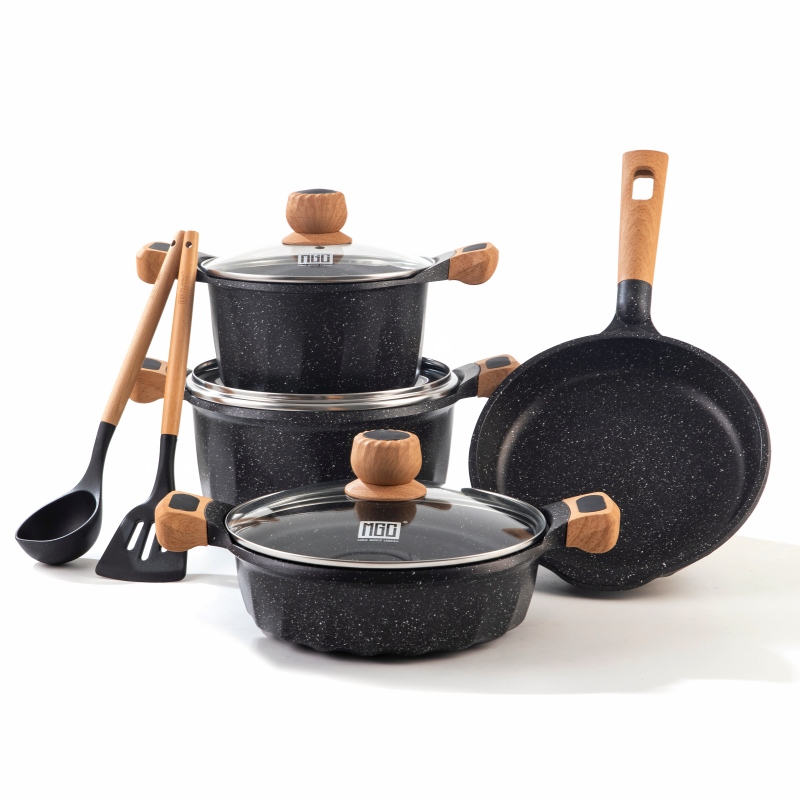
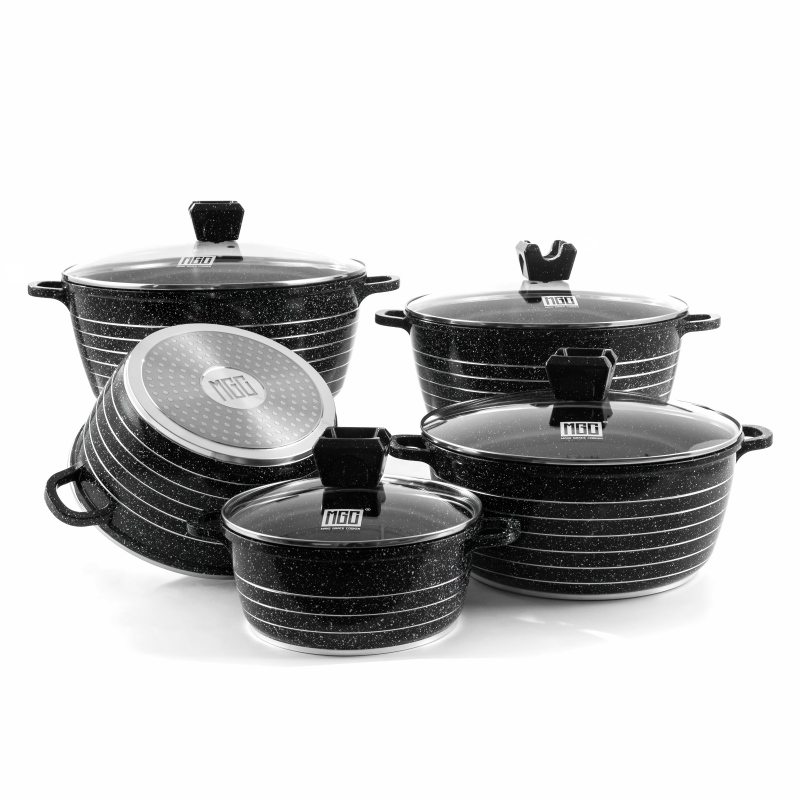
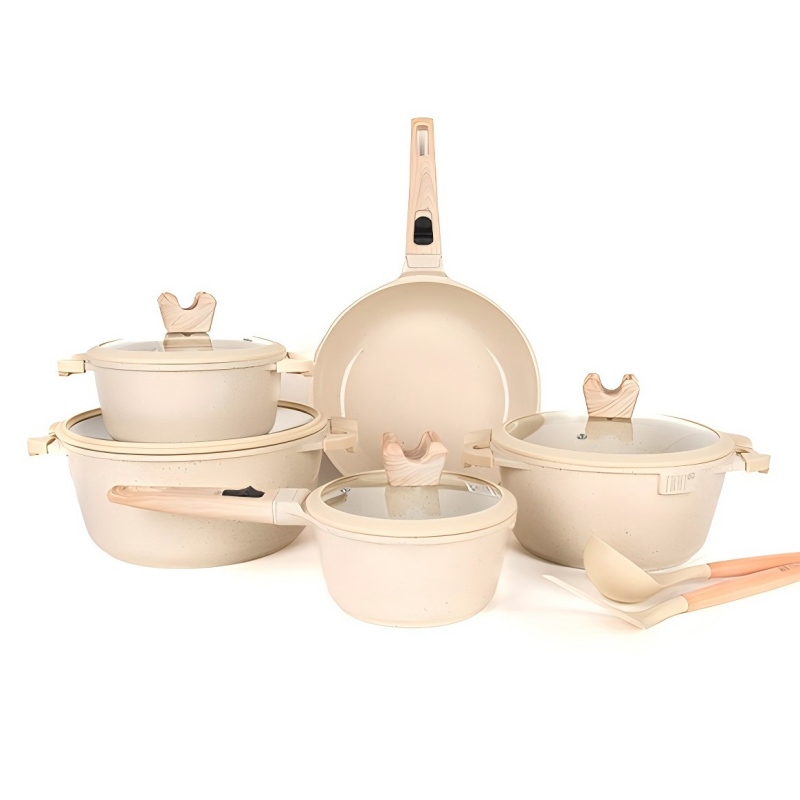
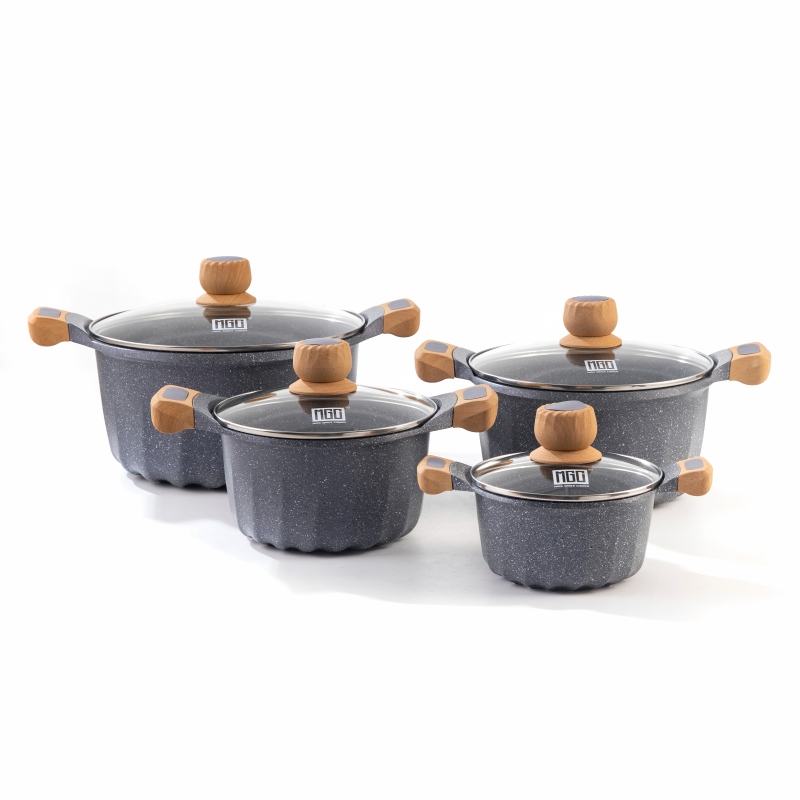
The best economical cookware set balances upfront cost, practical functionality, and construction quality. For everyday households, a useful collection may include frying pans, saucepans, and a stockpot without unnecessary accessories that increase the package price. Aluminum cookware can offer efficient heat transfer and relatively low weight, while stainless steel provides a different combination of durability and maintenance requirements. Nonstick options may simplify food release and cleanup when used according to their care instructions. Buyers should compare the materials, base thickness, handle construction, lid fit, and compatible cooking surfaces rather than judging value by piece count alone. For retailers, selecting versatile sets at different price points helps serve students, first apartment owners, and families seeking affordable kitchen essentials.
Get A Quote

Case Study

Affordable Cookware for First Apartments

Someone furnishing a first apartment often needs reliable cookware without spending heavily on a complete kitchen setup. A compact set containing a frying pan, saucepan, and larger cooking pot can cover many daily tasks, from preparing breakfast to cooking pasta and simple dinners. Rather than paying extra for duplicate pans or rarely used accessories, buyers can prioritize useful sizes, comfortable handles, and suitable construction. Checking stove compatibility and cleaning requirements before purchase also helps prevent avoidable replacement costs. A carefully selected starter set provides practical cooking essentials while allowing the buyer to add specialty cookware later as household needs and cooking habits develop.

Budget Friendly Options for Retailers

A kitchenware retailer wants to offer economical cookware sets to customers with different budgets. The purchasing team compares compact collections, mid sized assortments, and larger sets based on their included pieces, construction, packaging, and expected retail price. For example, a simple aluminum collection may suit entry level shoppers, while a stainless steel option can appeal to buyers prioritizing long term use. Reviewing samples and product specifications helps the retailer distinguish genuine value from sets containing unnecessary accessories. Clear product descriptions also make it easier for customers to compare materials, care requirements, and cooktop compatibility. This approach supports a more useful assortment for budget conscious households.

Cost Effective Cookware for Wholesale Buyers

A distributor sourcing cookware for multiple retail channels needs to balance product cost with practical quality requirements. Comparing quotations based on identical specifications helps reveal differences in materials, set composition, packaging, and delivery terms. For instance, a compact collection with essential cooking pieces may be more suitable for value focused stores than a large set with many accessories. Buyers should request samples, confirm minimum order quantities, and establish clear quality expectations before placing bulk orders. They should also review carton dimensions and shipping arrangements when estimating the overall procurement cost. A structured comparison helps wholesale buyers select economical cookware that fits their customers and purchasing plans.

Related products

An economical cookware set should provide useful cooking pieces, appropriate construction, and manageable maintenance at a price that suits the intended budget. Aluminum, stainless steel, and nonstick coated cookware each offer different advantages, so buyers should match material selection to their cooking habits and expectations. Aluminum is valued for efficient heat transfer and relatively low weight, while stainless steel can provide a durable cooking surface without a nonstick coating. Nonstick cookware may suit convenient everyday meal preparation but requires proper care to preserve its surface. When comparing sets, examine the actual pots and pans included, base construction, handle attachment, lid fit, and cooktop compatibility. Avoid choosing by the advertised piece count alone, since lids and small accessories may contribute to the total. MGCCookware provides a website where buyers can explore cookware related products and discuss their requirements. Retailers and wholesale buyers should request product specifications, evaluate samples, and confirm packaging, minimum quantities, and delivery terms before making purchasing decisions.

Frequently Asked Questions

What makes a cookware set economical?

An economical cookware set combines a reasonable purchase price with useful pieces and suitable construction. Buyers should consider materials, durability, cooking performance, maintenance, and replacement needs. A smaller set containing frequently used pans may provide better value than a larger collection filled with unnecessary accessories.
Aluminum, stainless steel, and nonstick coated cookware can all offer value depending on the intended use. Aluminum is lightweight and transfers heat efficiently, stainless steel offers a durable uncoated surface, and nonstick options simplify food release. Compare construction, care requirements, and expected usage before choosing.
The ideal number depends on household size, cooking habits, and available storage. Many buyers can begin with a frying pan, a saucepan, and a larger pot. Check exactly what the advertised piece count includes, since lids and utensils may be counted separately from cookware vessels.
Yes, provided the cookware is specifically designed for induction. Standard aluminum cookware is generally not induction compatible unless it includes a suitable magnetic base. Check the manufacturer's specifications before purchasing, and confirm compatibility with your existing stove rather than assuming every cookware material works on every surface.
Retailers should compare suppliers using consistent product specifications, sample quality, set composition, packaging, minimum order quantities, and delivery terms. Request written quotations and relevant product documentation before committing to bulk orders. Evaluating the full purchasing cost helps distinguish competitive pricing from products that may require frequent replacement.

Related article

Participation in the 139th Canton Fair

25

Aug

Participation in the 139th Canton Fair

Discover how our annual Canton Fair participation unlocks global B2B opportunities, quality sourcing, and real-time market insights. Connect with us now!
View More
New Market Promotion

25

Aug

New Market Promotion

Struggling to demonstrate product value? Face-to-face customer engagement drives 3.2x higher conversion in B2B markets. Discover proven field promotion tactics now.
View More
How to Choose the Right Cookware Set Material for Better Cooking Results?

14

Sep

How to Choose the Right Cookware Set Material for Better Cooking Results?

Discover how to choose the right cookware set material — aluminum, stainless steel, or non-stick — to match your cooking style and improve results.
View More
How to Choose the Best Cookware for Different Cooking Methods?

18

Sep

How to Choose the Best Cookware for Different Cooking Methods?

Discover how to match cookware to your cooking methods. A practical guide covering materials, heat needs, and kitchen tools for every cooking style.
View More

Customer Testimonials

Emily Carter

A well planned cookware set helps balance affordability and everyday functionality. Comparing useful pan sizes, construction, and care requirements makes it easier to select products within our purchasing budget.

Daniel Brooks

We focus on cookware that matches real cooking needs instead of choosing by piece count alone. Clear specifications help us compare options and plan a practical kitchenware assortment.

Get a Free Quote

Our representative will contact you soon.
Email
Mobile/WhatsApp
Name
Company Name
Message
0/1000
Focus on Useful Pieces Instead of Piece Count

Focus on Useful Pieces Instead of Piece Count

An economical cookware set should contain the pots and pans people actually use. A practical starter collection may include a frying pan for eggs and vegetables, a saucepan for sauces, and a larger pot for pasta or soup. Additional pieces are worthwhile when they meet specific cooking needs rather than simply increasing the advertised count. Buyers should compare pan dimensions, lid fit, handle design, and storage requirements before choosing a collection. For retailers, organizing products around different household needs makes the range easier to understand. Prioritizing useful cookware helps customers control upfront spending while creating a more functional everyday kitchen.
Compare Construction for Better Long Term Value

Compare Construction for Better Long Term Value

A low purchase price does not automatically make cookware the most economical option. Buyers should examine base construction, material specifications, handle attachment, coating details, and care instructions before making a decision. For example, stainless steel may suit shoppers seeking an uncoated cooking surface, while nonstick cookware can be convenient for delicate foods and easier release. Each option has different maintenance considerations. Retailers can compare representative samples and documented specifications before selecting products for different budgets. Understanding these differences helps buyers avoid paying for unnecessary features or choosing cookware unsuitable for their cooking routines. A balanced comparison supports more informed purchasing and better everyday value.
Affordable Collections for Retail and Wholesale Markets

Affordable Collections for Retail and Wholesale Markets

Economical cookware collections can help retailers, importers, and distributors serve customers with different purchasing priorities. Compact sets can appeal to students and first apartment owners, while larger collections may suit families preparing meals regularly. Buyers should evaluate product combinations, materials, packaging, carton dimensions, and order requirements before selecting an assortment. For wholesale purchasing, compare quotations using consistent specifications and include transportation costs when estimating the final budget. Private label buyers should also confirm whether branding and packaging customization are available. Careful product selection helps businesses create a practical range at different price points while maintaining clear product information and realistic customer expectations.