Healthy Kitchenware Guide: Safe Materials & Smart Choices

Get up to 35% off + Free shipping Shop now

Call Us:+86-579-86903988

Reviews Title 1: Thoughtful Choices for Everyday Cooking

Reviews Title 1: Thoughtful Choices for Everyday Cooking

Healthy kitchenware starts with informed choices about materials, food contact surfaces, product quality, and proper use. Stainless steel, glass, and uncoated cast iron are popular options for different cooking tasks, while ceramic coated cookware and silicone utensils should be evaluated according to their specific composition and manufacturer instructions. No single material is ideal for every recipe, and labels such as healthy or non toxic should not replace clear product information. For households, practical considerations include cooking habits, cleaning methods, and durability. Restaurants and food service businesses may also prioritize repeated use, maintenance requirements, and compliance documentation. Selecting kitchenware with transparent specifications and following recommended care instructions helps consumers make more confident purchasing decisions.
Get A Quote

Case Study

Everyday Family Meal Preparation

Families preparing breakfast, lunch, and dinner need kitchenware suited to different ingredients and cooking methods. Stainless steel cookware can be useful for boiling, sautéing, and preparing sauces, while glass containers and baking dishes may suit food storage and oven cooking when specifically rated for those purposes. Uncoated cast iron can be appropriate for certain frying and searing tasks, although it requires particular cleaning and maintenance practices. Rather than choosing products based only on marketing claims, households should check material composition, food contact suitability, and temperature limits. Matching each item to its intended use helps support a practical cooking routine and makes everyday maintenance more manageable.

Health Conscious Kitchen Organization

Consumers who want to make more informed kitchenware choices can start by reviewing the products they use most frequently. Replacing damaged cookware, checking the condition of coated surfaces, and following manufacturer care instructions are practical steps toward responsible kitchen management. For example, buyers who prefer to avoid certain coatings may consider suitable uncoated alternatives, while still comparing durability, cooking performance, and cleaning requirements. Food storage products should also be checked for their intended use, especially when reheating or freezing meals. A thoughtful selection process focuses on reliable product specifications rather than assuming that one material or marketing label automatically guarantees better health outcomes.

Commercial Kitchens and Food Service Businesses

Restaurants, cafés, and catering businesses need kitchenware that supports regular food preparation and meets their operational requirements. Buyers may evaluate stainless steel pans, baking dishes, utensils, and food storage containers based on construction quality, material specifications, temperature limits, and cleaning procedures. For products intended for repeated commercial use, durability and compatibility with existing equipment are also important. Clear documentation helps purchasing teams confirm whether items are suitable for their intended food contact and cooking conditions. Testing samples and establishing routine inspection procedures can help businesses assess handling, maintenance, and performance. These practical measures support informed procurement and a more organized kitchen workflow.

Related products

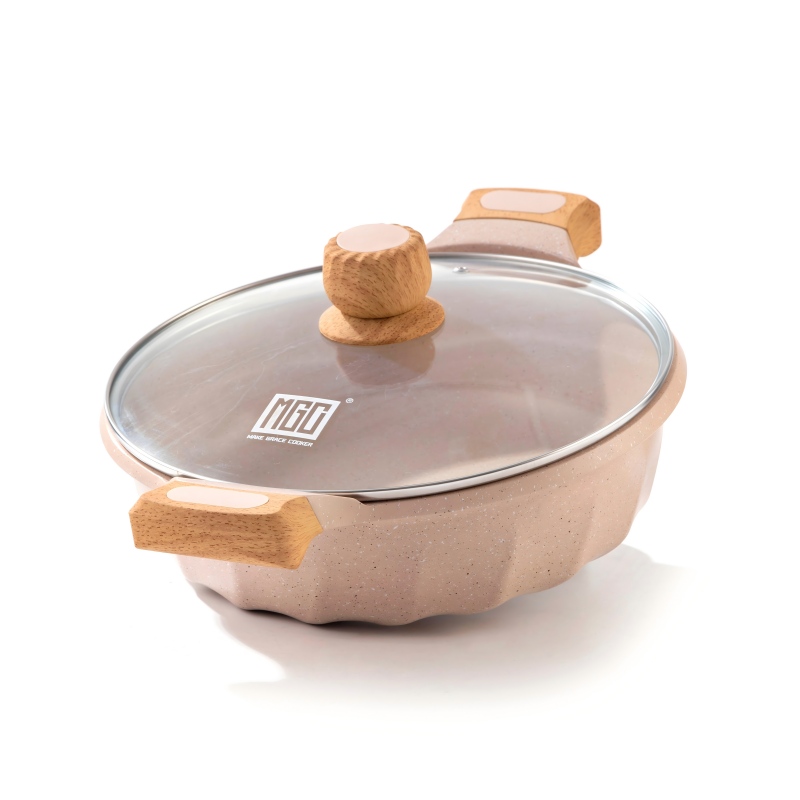
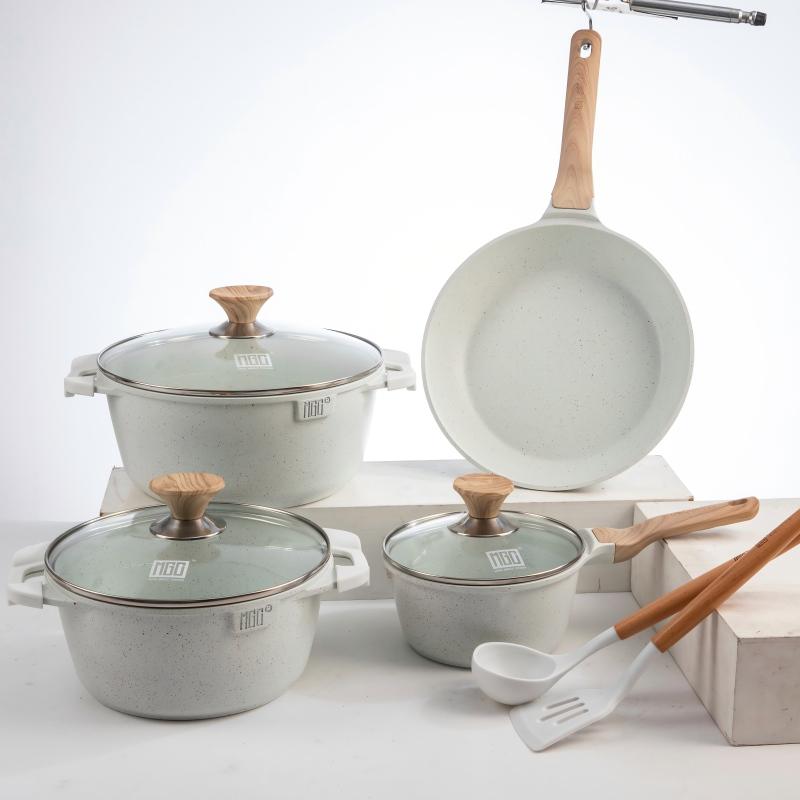
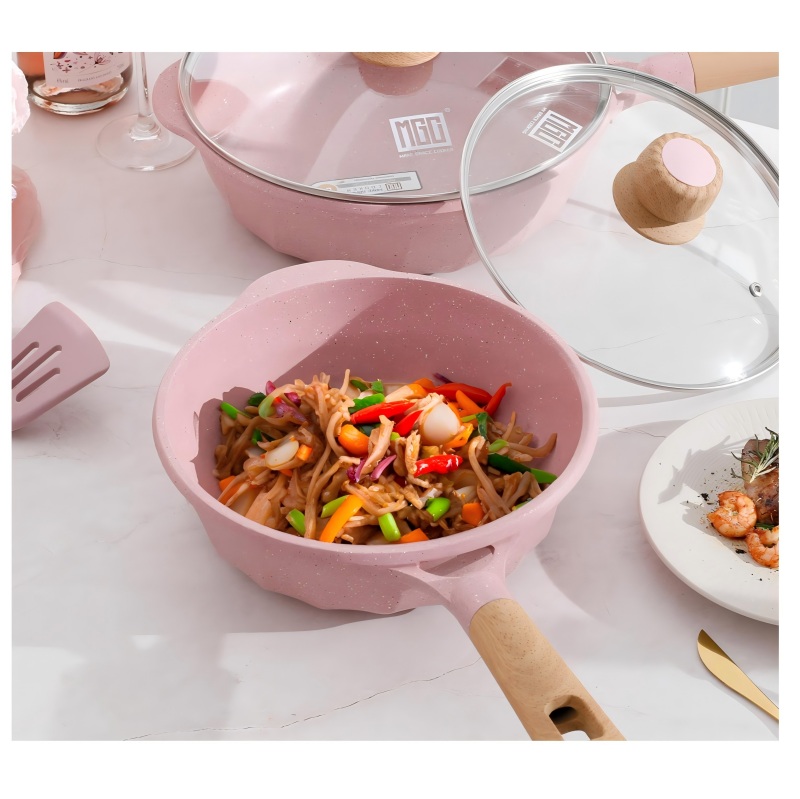
Healthy kitchenware is about choosing products that suit your cooking habits, have appropriate food contact materials, and remain in good condition during regular use. Stainless steel, glass, and uncoated cast iron are commonly considered by consumers looking for alternatives to certain coated products. Each material has different properties, maintenance needs, and suitable applications. For example, stainless steel can work well for everyday stovetop cooking, glass is useful for suitable baking and food storage applications, and cast iron can be effective for searing and frying when properly maintained. Material names alone do not guarantee product safety. The U.S. Food and Drug Administration explains that food contact substances are assessed according to their intended use and relevant safety information, including potential migration into food. [image](https://www.google.com/s2/favicons?domain=https://www.fda.gov\&sz=32) FDA Buyers should also review coating details, temperature limits, cleaning instructions, and relevant compliance documentation. Avoid using cookware with damaged or peeling surfaces, and follow the manufacturer's recommendations for utensils and maintenance. MGCCookware offers cookware and bakeware solutions for customers comparing kitchen products. By reviewing material specifications, construction quality, and intended applications, buyers can select kitchenware that aligns with their cooking needs and purchasing requirements.

Frequently Asked Questions

What materials are best for healthy kitchenware?

Stainless steel, glass, and uncoated cast iron are popular options for different cooking tasks. Each has specific advantages and care requirements. The best choice depends on the intended use, product quality, and cooking conditions. Always verify that a product is suitable for its intended food contact application.
Safety depends on the coating, product quality, and how the cookware is used. Follow the manufacturer's temperature limits, avoid overheating empty pans when instructed, and use utensils that will not damage the surface. Replace cookware when its condition or the manufacturer's guidance indicates it should no longer be used.
Stainless steel is a widely used option for everyday cooking because it is durable and relatively easy to clean. However, its suitability depends on product quality and intended use. Buyers should review material specifications and care instructions, particularly if they have specific dietary or material related concerns.
Look for clear material descriptions, food contact suitability information, temperature limits, and cleaning instructions. For ceramic tableware, relevant lead and cadmium information may also be important. Be cautious of unsupported claims such as completely chemical free, and request appropriate documentation when product safety is important to your purchasing decision.
Replacement depends on the material, product condition, and manufacturer's instructions. Consider replacing cookware with peeling coatings, cracks, significant corrosion, or damaged food contact surfaces. Inspect handles and lids for structural problems as well. Proper cleaning, appropriate utensils, and correct temperature use can help maintain kitchenware over time.

Related article

New National Agency Established

28

Jul

New National Agency Established

Just launched: exclusive national agency in Kazakhstan with Almaty wholesale center. Streamline distribution, cut logistics costs, and scale market access. Request partnership details now.
View More
Participation in the 139th Canton Fair

25

Aug

Participation in the 139th Canton Fair

Discover how our annual Canton Fair participation unlocks global B2B opportunities, quality sourcing, and real-time market insights. Connect with us now!
View More
New Market Promotion

25

Aug

New Market Promotion

Struggling to demonstrate product value? Face-to-face customer engagement drives 3.2x higher conversion in B2B markets. Discover proven field promotion tactics now.
View More
How to Select Reliable Cookware and Bakeware Suppliers for Bulk Orders?

14

Sep

How to Select Reliable Cookware and Bakeware Suppliers for Bulk Orders?

Learn how to evaluate cookware & bakeware suppliers for bulk orders: factory verification, certifications, MOQ, and quality control for wholesale buyers.
View More

Customer Testimonials

Emily Carter

Choosing kitchenware with clearly documented materials and practical care instructions makes everyday cooking easier. We value products that combine functional designs with transparent product information.

Daniel Brooks

Well selected kitchenware supports a more organized cooking routine. Material details, durability, and cleaning requirements are important considerations when comparing products for daily use.

Get a Free Quote

Our representative will contact you soon.
Email
Mobile/WhatsApp
Name
Company Name
Message
0/1000
Prioritize Transparent Material Information

Prioritize Transparent Material Information

Clear material information helps buyers make informed decisions when selecting kitchenware for everyday cooking. Product descriptions should identify the main construction materials, any coatings or surface treatments, and the intended cooking applications. Where relevant, buyers can request documentation about food contact suitability and applicable testing. This is especially important when evaluating unfamiliar products or purchasing cookware in bulk for retail and commercial use. Broad marketing terms such as healthy or non toxic should not replace specific evidence about the product. Reviewing the available specifications makes it easier to compare options and identify kitchenware that fits household preferences, cooking methods, and maintenance requirements.
Choose Kitchenware for Specific Cooking Tasks

Choose Kitchenware for Specific Cooking Tasks

Different kitchenware materials perform differently, so a practical selection begins with identifying the tasks each item will handle. Stainless steel cookware can support boiling, sautéing, and sauce preparation, while suitable glass dishes work well for many baking and food storage applications. Uncoated cast iron may suit searing and frying, although it requires appropriate maintenance. Buyers should also confirm whether a product is oven safe, dishwasher safe, or suitable for acidic foods rather than assuming all products made from a particular material share the same characteristics. Matching cookware to its intended use supports more convenient preparation, proper care, and a well organized kitchen.
Maintain Cookware for Long Term Use

Maintain Cookware for Long Term Use

Good maintenance is an important part of responsible kitchenware use. Follow product specific cleaning instructions, select suitable utensils, and avoid temperature conditions that exceed the manufacturer's recommendations. Coated cookware should be inspected for peeling or significant surface damage, while glass and ceramic items should be checked for cracks and chips. Stainless steel and cast iron also need appropriate cleaning and care to preserve their condition. For retailers and commercial buyers, clear maintenance guidance can help customers use products correctly and understand when replacement may be necessary. Combining suitable material selection with proper handling supports practical, dependable kitchen routines.