Premium Cookware & Bakeware for B2B Buyers [2024]

Get up to 35% off + Free shipping Shop now

Call Us:+86-579-86903988

Versatile Cookware and Bakeware for Modern Kitchens

Versatile Cookware and Bakeware for Modern Kitchens

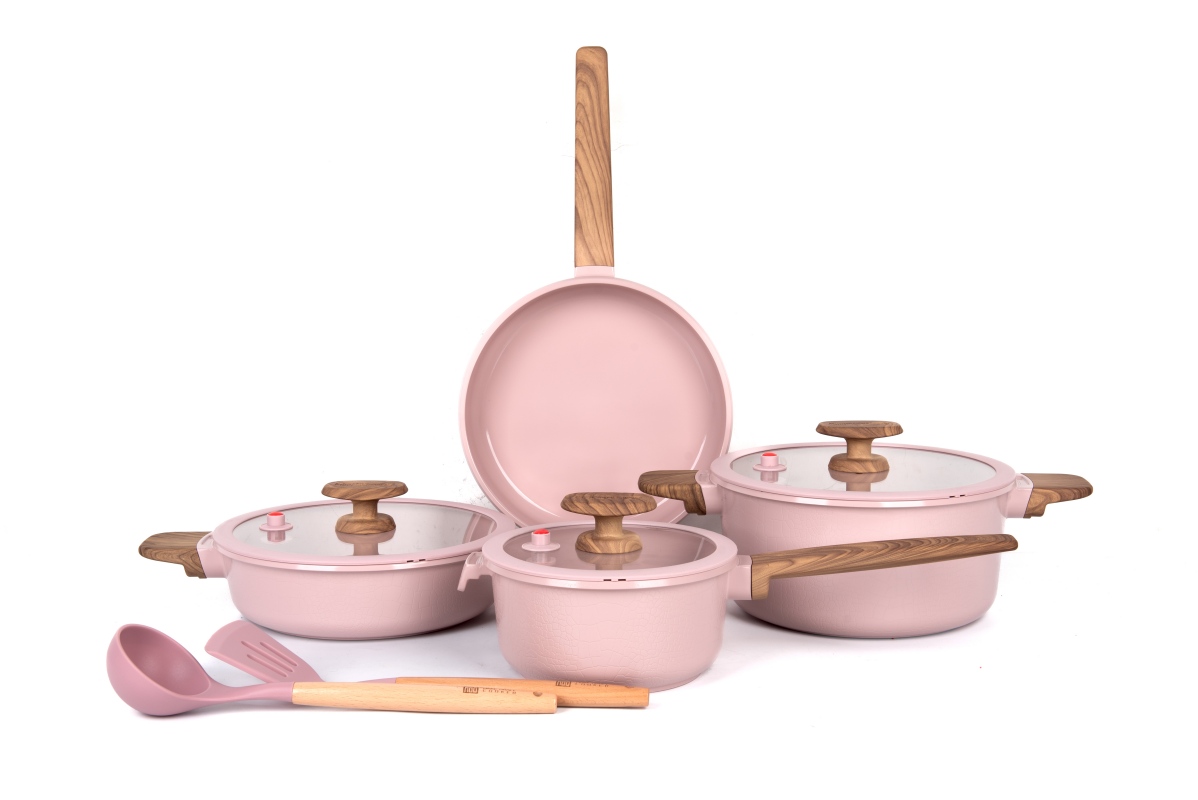
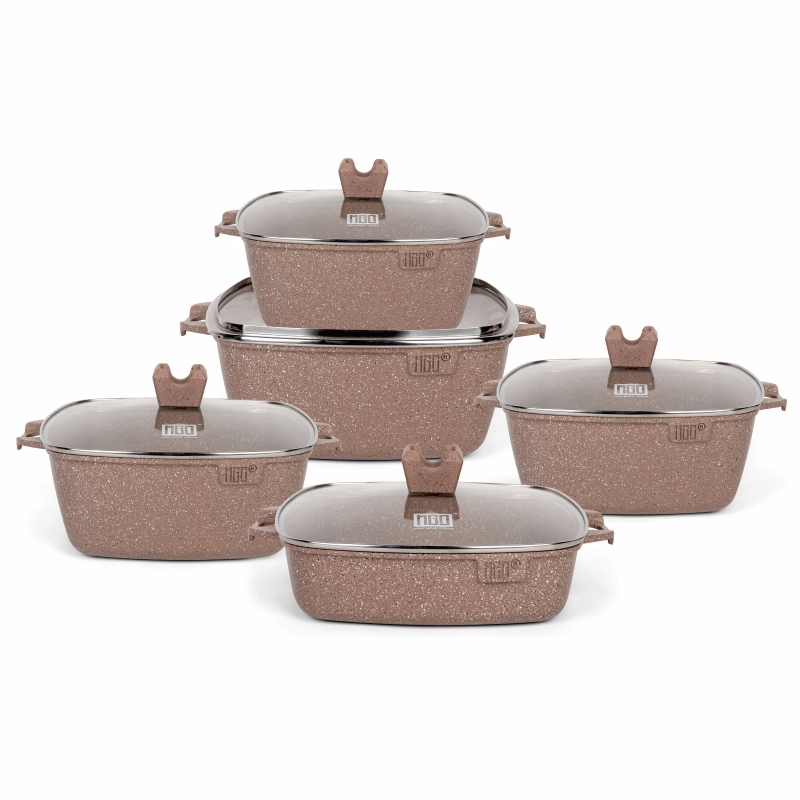
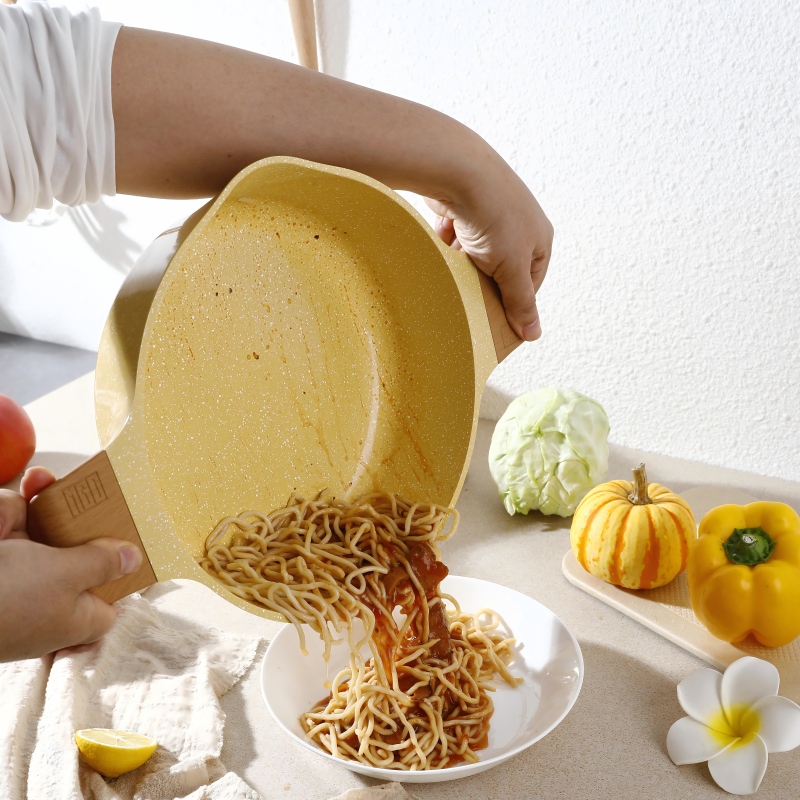
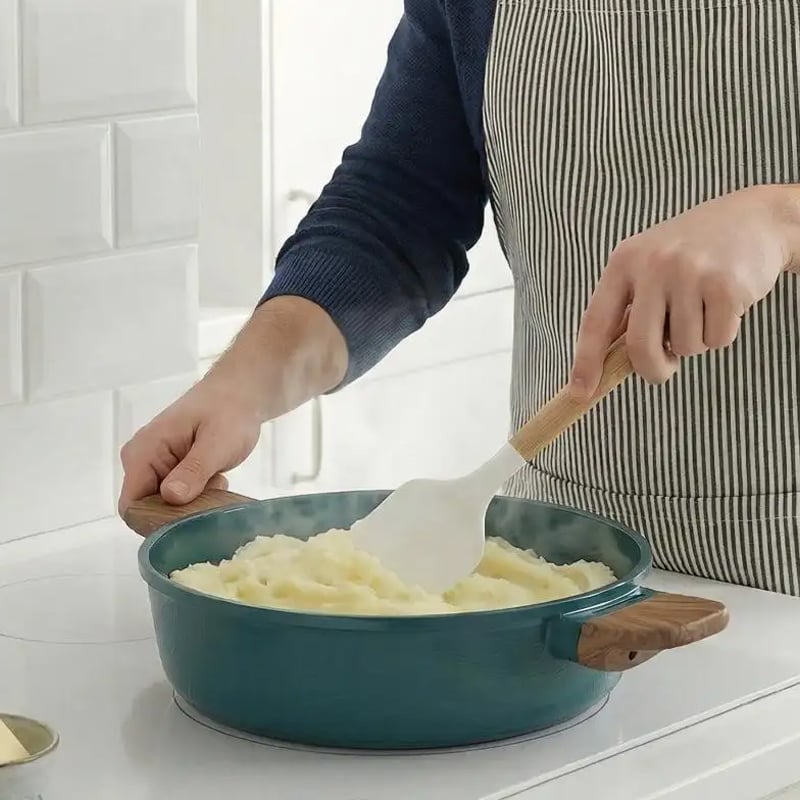
A well-designed cookware and bakeware collection supports everyday meal preparation, home baking, and professional kitchen workflows. Cookware such as frying pans, saucepans, and stockpots handles stovetop tasks, while baking sheets, cake pans, and roasting dishes support oven-based recipes. Combining complementary products helps households prepare complete meals, from sautéed vegetables to freshly baked desserts. Buyers should compare materials, dimensions, heat distribution, handle design, and cleaning requirements to find products suited to their needs. For example, a family kitchen may benefit from a stainless steel saucepan, a nonstick frying pan, and two essential baking pans. Retailers can also build coordinated collections with matching finishes, practical assortments, and packaging designed for different customer segments.
Get A Quote

Case Study

Everyday Home Cooking and Baking

Home kitchens need cookware and bakeware that support a variety of recipes without making storage complicated. A frying pan is useful for eggs and vegetables, a saucepan handles sauces, and a baking sheet supports cookies, roasted vegetables, and oven-cooked meals. A practical starter collection might contain three cookware vessels and two frequently used baking pans, depending on household needs. Buyers should consider oven dimensions, cabinet space, material performance, and cleaning instructions before selecting products. Stainless steel, aluminum, glass, and coated metal each offer different benefits. Checking temperature ratings and compatible appliances helps consumers choose suitable products for everyday cooking and baking.

Commercial Kitchens and Food Preparation

Restaurants, bakeries, catering companies, and food service operators rely on cookware and bakeware that match their preparation volume and workflow. Stockpots support batch cooking, frying pans handle sautéing, and sheet pans help organize roasting and baking tasks. A bakery producing several trays of cookies per batch may prioritize consistent pan dimensions, suitable oven ratings, and easy handling. Commercial buyers should evaluate construction quality, heat distribution, resistance to repeated use, and cleaning requirements. Handles, coatings, and lids must be suitable for their intended temperatures and working conditions. Reviewing samples and confirming specifications before ordering can help businesses select practical equipment for their kitchen operations.

Retail, Wholesale, and Private Label Collections

Retailers and distributors can develop cookware and bakeware assortments for home cooks, gift buyers, and professional users. A coordinated collection might combine saucepans, frying pans, roasting trays, cake pans, and baking sheets in complementary sizes. Before placing bulk orders, buyers should confirm materials, dimensions, surface finishes, packaging requirements, and applicable food-contact documentation. Sample inspections can assess product consistency, handle stability, coating quality, and packaging protection. For example, a retailer preparing a starter kitchen collection may prioritize versatile everyday items, while a baking-focused assortment may feature loaf pans, cake tins, and cookie sheets. Clearly defined specifications help suppliers and buyers align expectations and maintain consistent quality.

Related products

Cookware and bakeware are essential kitchen product categories designed for different preparation methods. Cookware includes pots, pans, skillets, and saucepans used primarily on stovetops, while bakeware includes cake pans, roasting trays, baking sheets, and oven dishes. Choosing suitable products depends on cooking habits, recipe requirements, material properties, and available storage. Stainless steel offers durability and versatility for many stovetop applications. Aluminum is valued for its efficient heat conduction and is widely used in both cookware and baking pans. Glass bakeware allows users to monitor food during baking, while ceramic-coated cookware can provide convenient food release. However, product performance and temperature limits depend on the specific construction, coating, handles, and lids. For international distributors and private label brands, product development may involve customized dimensions, colors, finishes, packaging, and assortment planning. Buyers should request samples, review product specifications, and verify applicable food-contact documentation for their intended markets. It is also important to confirm oven temperature limits, cooktop compatibility, cleaning requirements, and quality-control procedures before placing large orders. A carefully selected collection can serve home kitchens, bakeries, hospitality businesses, and retail channels with practical products suited to different cooking and baking needs.

Frequently Asked Questions

What Is the Difference Between Cookware and Bakeware?

Cookware generally includes pots, pans, and skillets designed for stovetop cooking, while bakeware includes cake pans, baking sheets, roasting trays, and oven dishes. Some products support both stovetop and oven use, but buyers should confirm the manufacturer's instructions and temperature limits before using cookware in an oven.
Common materials include stainless steel, aluminum, cast iron, glass, and ceramic. Each offers different characteristics in heat distribution, weight, durability, and maintenance. The best choice depends on the intended cooking method, recipe requirements, appliance compatibility, and product specifications rather than material name alone.
Start by identifying frequently prepared recipes, household size, oven dimensions, and available storage. Compare actual pan diameters, tray dimensions, and pot capacities rather than relying only on set piece counts. Choosing practical sizes helps reduce unused items and ensures products fit existing kitchen equipment.
No. Oven suitability depends on the complete product, including its body material, coating, handles, lid, and other components. Always check the manufacturer's maximum temperature rating and instructions. A pan that works on a stovetop may not be suitable for oven use, broiling, or sudden temperature changes.
Wholesale buyers should evaluate samples, materials, dimensions, surface finishes, packaging, and manufacturing quality controls. They should also request applicable food-contact documentation and confirm product requirements for the destination market. Discussing customization, minimum order quantities, lead times, and inspection criteria helps establish clear expectations before production begins.

Related article

New Product Development

25

Aug

New Product Development

Struggling to sustain market relevance? Our proven 5-step new product development framework helps B2B teams launch winning solutions faster. Get the playbook now.
View More
Why Do Reliable Cookware Suppliers Matter for Product Success?

14

Sep

Why Do Reliable Cookware Suppliers Matter for Product Success?

A reliable cookware supplier shapes your product quality, supply chain, and sourcing outcomes. Discover what sets a dependable kitchenware supplier apart.
View More
How to Select Reliable Cookware and Bakeware Suppliers for Bulk Orders?

14

Sep

How to Select Reliable Cookware and Bakeware Suppliers for Bulk Orders?

Learn how to evaluate cookware & bakeware suppliers for bulk orders: factory verification, certifications, MOQ, and quality control for wholesale buyers.
View More
Proper Cleaning Methods to Extend the Life of a Durable Non Stick Pan.

18

Sep

Proper Cleaning Methods to Extend the Life of a Durable Non Stick Pan.

Learn proper cleaning methods to extend your durable non stick pan's life. Right kitchen habits protect the coating and keep food releasing cleanly.
View More

Get a Free Quote

Our representative will contact you soon.
Email
Mobile/WhatsApp
Name
Company Name
Message
0/1000
Complete Solutions for Cooking and Baking

Complete Solutions for Cooking and Baking

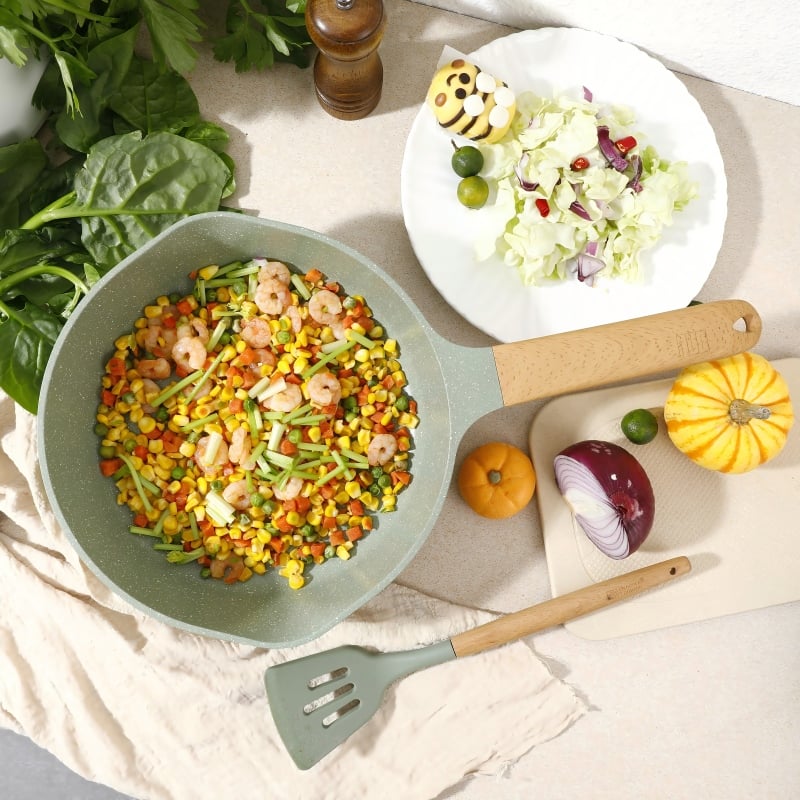
A coordinated cookware and bakeware collection helps consumers prepare meals across different cooking methods. Frying pans, saucepans, and stockpots support stovetop tasks, while baking sheets, cake pans, and roasting trays provide options for oven-based recipes. For example, a home kitchen can use a saucepan for pasta sauce, a frying pan for vegetables, and a baking tray for roasted sides. Selecting complementary sizes makes preparation more convenient and can reduce unnecessary purchases. Buyers should compare materials, dimensions, oven ratings, cooktop compatibility, and care instructions before choosing products. A practical assortment focuses on the items users need most frequently while allowing room for specialized pieces as cooking habits develop.
Product Customization for International Markets

Product Customization for International Markets

Cookware and bakeware collections can be adapted to suit different retail channels, consumer preferences, and kitchen applications. Product options may include selected materials, dimensions, exterior finishes, handle styles, colors, packaging formats, and assortment combinations. For instance, a retailer serving first-time homeowners might prefer compact cookware sets with essential baking pans, while a specialist kitchenware store may focus on individual products for advanced cooking and baking. Buyers should confirm available customization options, sample approval procedures, minimum order quantities, and quality-control requirements with their suppliers. Reviewing specifications and relevant compliance documentation before production helps ensure that products align with the intended market and customer expectations.