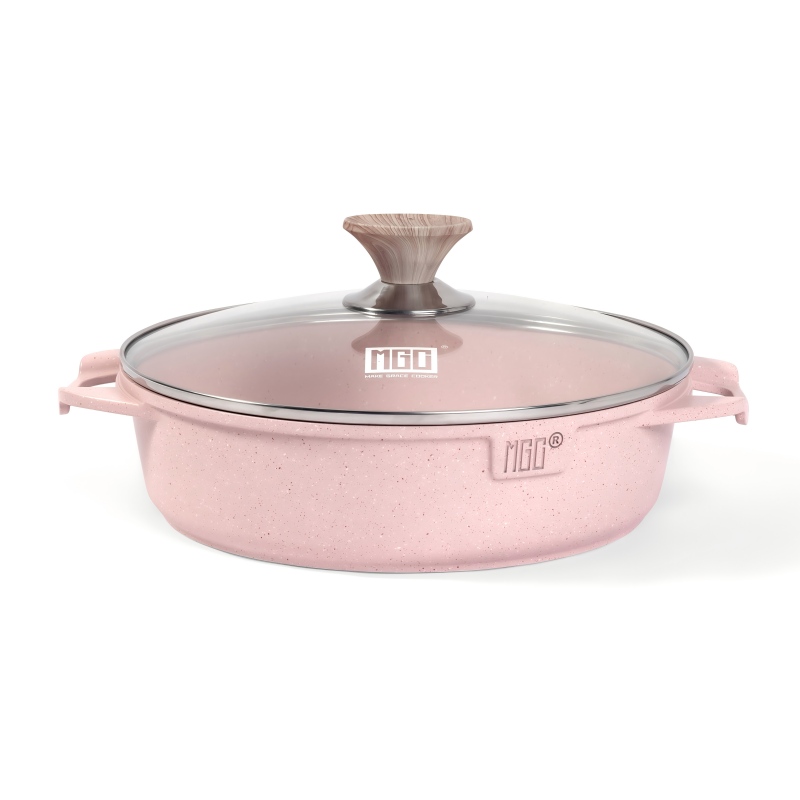
Nonstick Cookware Coating Guide for B2B Buyers

Get up to 35% off + Free shipping Shop now

Call Us:+86-579-86903988

What Buyers Look for in Nonstick Cookware Coating

What Buyers Look for in Nonstick Cookware Coating

Nonstick cookware coating is an important consideration for cookware brands, importers, wholesalers, and retailers evaluating kitchenware products. Different coating systems can vary in composition, application method, food release performance, abrasion resistance, and recommended care. Common options include PTFE based coatings and sol gel coatings often marketed as ceramic nonstick coatings. The most suitable option depends on the cookware design, target price range, intended use, and customer expectations. B2B buyers should compare coating specifications alongside cookware body materials, pan construction, and product documentation rather than relying on appearance alone. MGC Cookware offers cookware products with different design and coating options. Contact the company to confirm current models, coating details, customization availability, and purchasing requirements.
Get A Quote

Case Study

Selecting Coatings for Retail Cookware

A kitchenware retailer plans to expand its frying pan assortment and wants to compare cookware with different nonstick coating options. The purchasing team reviews coating specifications, pan materials, available colors, sizes, and recommended maintenance methods. It also considers the target retail price and the expectations of customers who cook frequently at home. Rather than treating every nonstick surface as equivalent, the retailer requests product documentation and checks which claims can be supported for each model. Clear comparisons help the team organize its product range and create more accurate descriptions for store shelves and ecommerce listings. Before ordering, the retailer confirms current availability and commercial terms with its chosen supplier.

Building a Private Label Cookware Range

A cookware brand is preparing a private label collection for distribution through supermarkets and online marketplaces. Its product team compares available coating systems, cookware body materials, pan shapes, handle designs, and packaging options. The team defines the product specifications before requesting samples and reviewing their appearance, usability, and care instructions. It also checks the documentation needed for the intended sales markets and avoids making unsupported claims about coating composition or durability. Once the product requirements are agreed upon, the buyer discusses logo application, packaging customization, minimum order quantities, and lead times. This process helps align product selection with the brand's positioning and purchasing budget.

Supporting Wholesale Product Selection

A kitchenware distributor wants to offer cookware products at several price points without confusing customers about coating differences. The sourcing team compares product specifications, coating information, pan dimensions, packaging, and recommended cooking practices. It asks suppliers to clarify whether the coating is PTFE based, sol gel based, or another specified system, where that information is available. The distributor also reviews applicable product documentation and confirms the intended cooking surfaces for each model. Accurate details help sales representatives answer buyer questions and enable retailers to prepare consistent product listings. Before placing a wholesale order, the distributor checks minimum quantities, delivery schedules, and total landed costs to support a practical inventory plan.

Related products

Nonstick cookware coating is designed to reduce food adhesion and make routine cooking and cleaning more convenient. However, not all coatings use the same chemistry or provide identical characteristics. PTFE based coatings are widely used on cookware, while sol gel coatings are often marketed as ceramic nonstick coatings. Other cookware surfaces may use different materials or finishing methods, so buyers should check the exact product specifications before comparing options. For commercial buyers, coating selection involves several considerations. These include intended cooking applications, expected retail price, surface appearance, maintenance requirements, abrasion resistance, and the cookware body beneath the coating. Product performance also depends on the coating formulation, application process, cookware construction, and how the product is used and maintained. Businesses should request relevant technical information and product documentation from their suppliers. Any claims concerning food contact compliance, PFAS content, heat limits, or durability should be supported by applicable evidence for the specific product. Care instructions should clearly explain recommended utensils, cleaning methods, and temperature limits. MGC Cookware provides cookware options for businesses exploring different product designs and finishes. Visit https://www.mgccookware.com/ to review the available range and contact the company for confirmation of current coating types, specifications, customization options, and wholesale terms.

Frequently Asked Questions

What are the common types of nonstick cookware coating?

Common options include PTFE based coatings and sol gel coatings frequently marketed as ceramic nonstick coatings. Cookware may also use other surface treatments or finishes. Their composition, application methods, and performance characteristics differ, so buyers should request the specific coating information for each product model.
PTFE is a fluoropolymer used in many nonstick cookware coatings. Ceramic nonstick coatings commonly use sol gel technology and have a different composition. Neither category should be assumed to perform identically across all products. Buyers should compare documented product characteristics, care instructions, and applicable compliance information before selecting a coating.
Review the coating specifications, product samples, application details where available, recommended care instructions, and relevant test documentation. Ask about inspection procedures and the evidence supporting claims concerning abrasion resistance or durability. Performance can vary by formulation and cookware construction, so general descriptions alone are not sufficient for technical evaluation.
Food contact suitability depends on the specific coating formulation, manufacturing controls, intended conditions of use, and applicable regulations. Buyers should request relevant compliance documentation for the exact product and destination market. Follow the product's temperature limits and care instructions, and replace cookware when its condition falls outside the manufacturer's recommendations.
Visit https://www.mgccookware.com/ and contact MGC Cookware with your preferred coating type, pan design, target market, and estimated order quantity. Ask the company to confirm available models, coating specifications, supporting documentation, customization options, minimum order quantities, pricing, and lead times before placing an order.

Related article

Participation in the 139th Canton Fair

25

Aug

Participation in the 139th Canton Fair

Discover how our annual Canton Fair participation unlocks global B2B opportunities, quality sourcing, and real-time market insights. Connect with us now!
View More
New Product Development

25

Aug

New Product Development

Struggling to sustain market relevance? Our proven 5-step new product development framework helps B2B teams launch winning solutions faster. Get the playbook now.
View More
How to Choose the Right Pan Size for Different Cooking Needs?

14

Sep

How to Choose the Right Pan Size for Different Cooking Needs?

Find the right pan size for your kitchen. Covers key criteria — from cooking portions to frying techniques — to help you choose smarter.
View More
Proper Cleaning Methods to Extend the Life of a Durable Non Stick Pan.

18

Sep

Proper Cleaning Methods to Extend the Life of a Durable Non Stick Pan.

Learn proper cleaning methods to extend your durable non stick pan's life. Right kitchen habits protect the coating and keep food releasing cleanly.
View More

Customer Testimonials

Cookware Product Sourcing Manager

Understanding coating types, product specifications, and care requirements helps cookware buyers select suitable products for different customer preferences and retail positioning.

Kitchenware Distribution Buyer

Accurate coating details and maintenance instructions help distributors compare cookware products and prepare reliable product information for their sales channels.

Get a Free Quote

Our representative will contact you soon.
Email
Mobile/WhatsApp
Name
Company Name
Message
0/1000
Compare Coating Composition and Performance

Compare Coating Composition and Performance

Coating composition is a useful starting point when comparing nonstick cookware. PTFE based coatings and sol gel ceramic coatings have different chemistries, and individual products within either category can vary in formulation and performance. Buyers should request precise product information instead of relying only on terms such as granite, stone, marble, or ceramic, which may describe a finish or marketing style rather than fully identify the coating chemistry. Relevant comparison points include food release characteristics, abrasion resistance, care instructions, and the evidence supporting performance claims. For retailers and distributors, understanding these differences supports better product selection and more accurate sales communication. The final choice should reflect documented specifications, intended use, and the needs of the target market.
Verify Product Documentation and Compliance

Verify Product Documentation and Compliance

Product documentation helps businesses assess whether a nonstick cookware model is appropriate for its intended market. Buyers should request available technical specifications, relevant food contact compliance documents, and supporting evidence for claims about coating composition or restricted substances. Requirements may differ between countries and product categories, so importers should identify applicable rules before confirming an order. Claims such as PFAS free, PFOA free, or tested for durability should not be inferred from a coating's appearance or general product description. Instead, confirm the exact wording and supporting evidence for the specific model. Keeping documentation organized also helps purchasing teams, sales staff, and ecommerce managers communicate consistent information throughout the product lifecycle.
Follow Recommended Care and Maintenance

Follow Recommended Care and Maintenance

The care requirements of nonstick cookware depend on the coating system and the overall product design. Buyers should check the recommended cooking temperature, suitable utensils, cleaning method, and storage guidance for each model. Excessive heat, abrasive cleaning tools, or unsuitable utensils may damage some nonstick surfaces and reduce their useful life. Retailers can help customers by including clear care instructions with product packaging and online descriptions. Distributors should also ensure that translated instructions preserve the manufacturer's original guidance rather than adding unsupported promises about durability or safety. When evaluating cookware for wholesale purchase, request the care documentation alongside the product specifications. This provides a clearer basis for product comparison and helps businesses set realistic expectations for end users.