Frying Pan B2B Guide: Choose Right for Retail & Distribution

Get up to 35% off + Free shipping Shop now

Call Us:+86-579-86903988

Customer Experiences with Versatile Frying Pans

Customer Experiences with Versatile Frying Pans

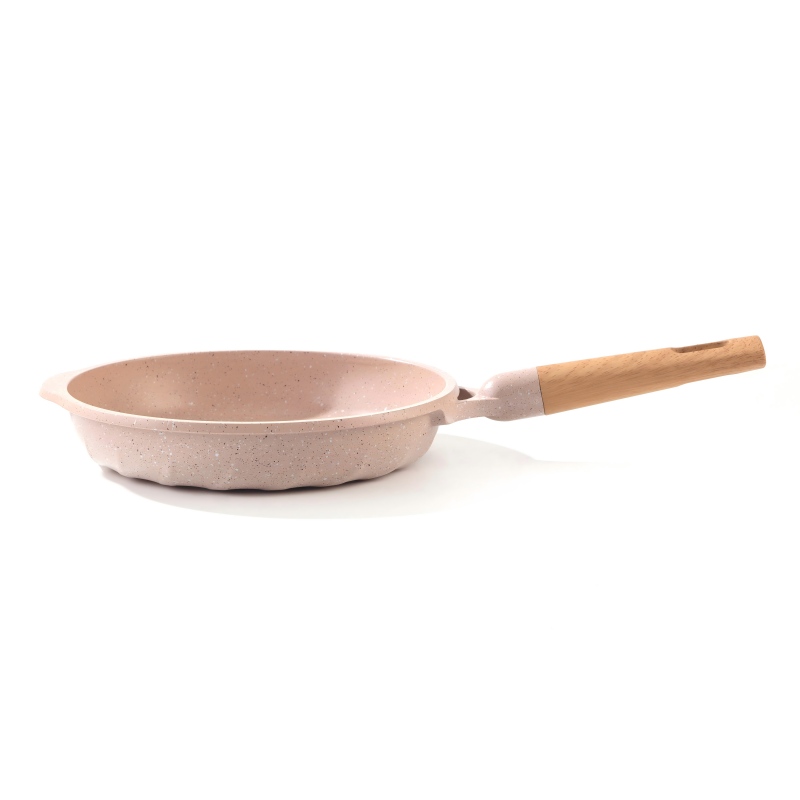
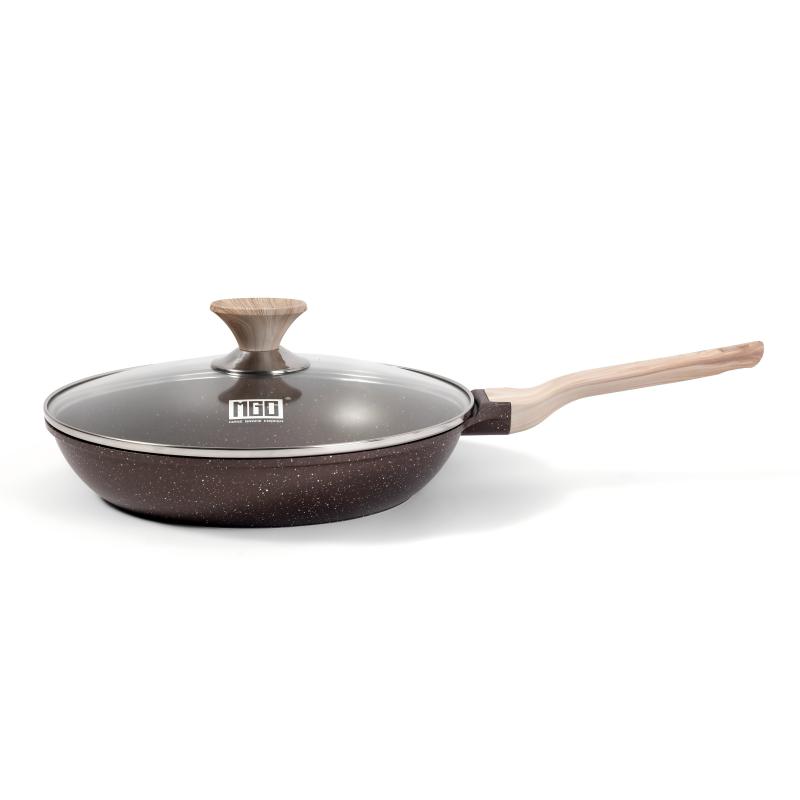
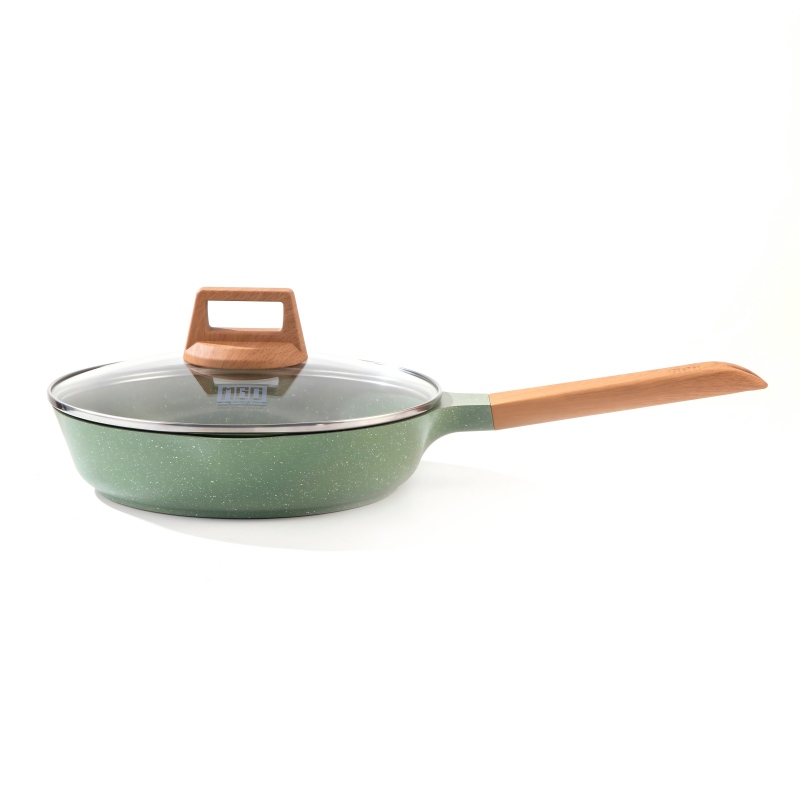
A reliable frying pan is an essential tool for home kitchens, restaurants, and hospitality businesses. It supports everyday cooking tasks, from frying eggs and sautéing vegetables to browning chicken and preparing quick one pan meals. Material selection influences heat distribution, responsiveness, weight, and handling, while the cooking surface affects food release and cleaning requirements. For retailers and distributors, offering different diameters, handle designs, and surface options helps address varied customer preferences. MGCCookware provides cookware solutions for buyers evaluating products for international markets. By comparing product specifications, durability, maintenance requirements, and intended applications, purchasing teams can select frying pans that align with customer expectations and their cookware assortment strategies.
Get A Quote

Case Study

Everyday Cooking for Modern Households

A kitchenware retailer wanted to expand its cookware selection with products suitable for everyday household meals. Frying pans offered a practical option for customers preparing eggs, pancakes, vegetables, fish, and meat without needing specialized equipment. The purchasing team compared pan diameters, handle comfort, surface finishes, and cleaning requirements to identify options for different household sizes. Smaller pans suited individual portions, while larger models accommodated family meals when stovetop space allowed. By presenting clear specifications and care instructions, the retailer could help shoppers make informed decisions. A thoughtfully organized frying pan range also complemented existing saucepans and cookware sets, creating a more comprehensive kitchenware collection.

Efficient Food Preparation in Cafes

A cafe serving breakfast and light lunches needed versatile cookware for preparing eggs, sautéed vegetables, and other quick dishes. A suitable frying pan supported several menu applications without requiring a separate pan for every ingredient. The kitchen manager evaluated heat response, cooking surface dimensions, handle stability, and ease of cleaning before selecting products. For example, a medium sized pan could support individual breakfast orders, while larger models accommodated selected shared preparations. Actual cooking speed depended on portion size, burner output, and workflow. Choosing pans according to service requirements helped the cafe balance versatility, available storage, and practical daily maintenance.

Expanding International Cookware Assortments

An international distributor planned to introduce frying pans alongside existing cookware products for retail customers. The sourcing team compared aluminum construction, stainless steel options, nonstick surfaces, product dimensions, and packaging requirements. Each feature influenced the intended price segment, customer experience, and product positioning. For example, an online kitchenware seller might prioritize lightweight designs and clear care instructions, while a physical retailer might prefer several sizes displayed as a coordinated collection. Reviewing samples and specifications before purchasing helped the distributor evaluate product suitability. MGCCookware offers a starting point for buyers seeking cookware options aligned with international distribution, retail assortment planning, and different household cooking preferences.

Related products

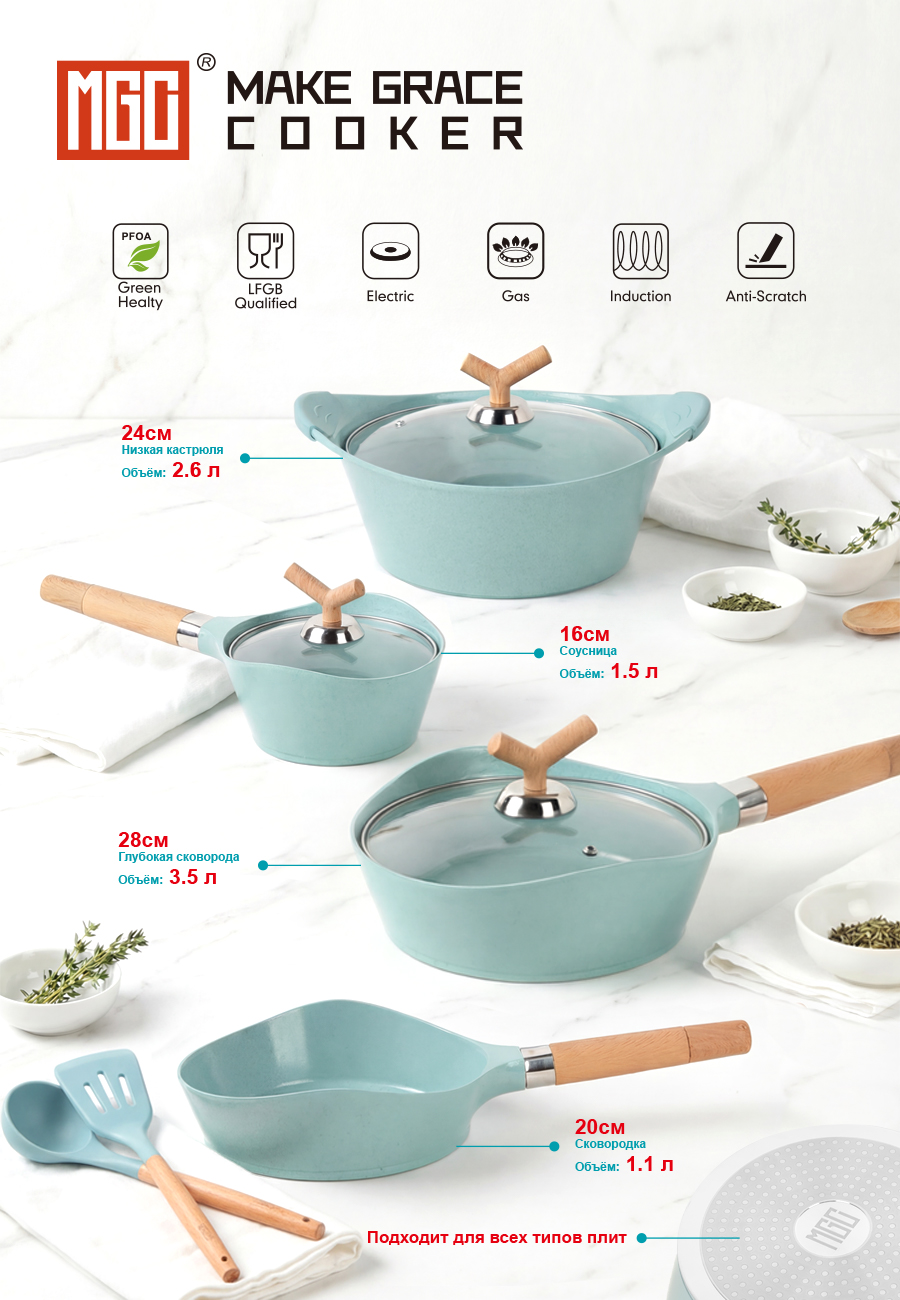
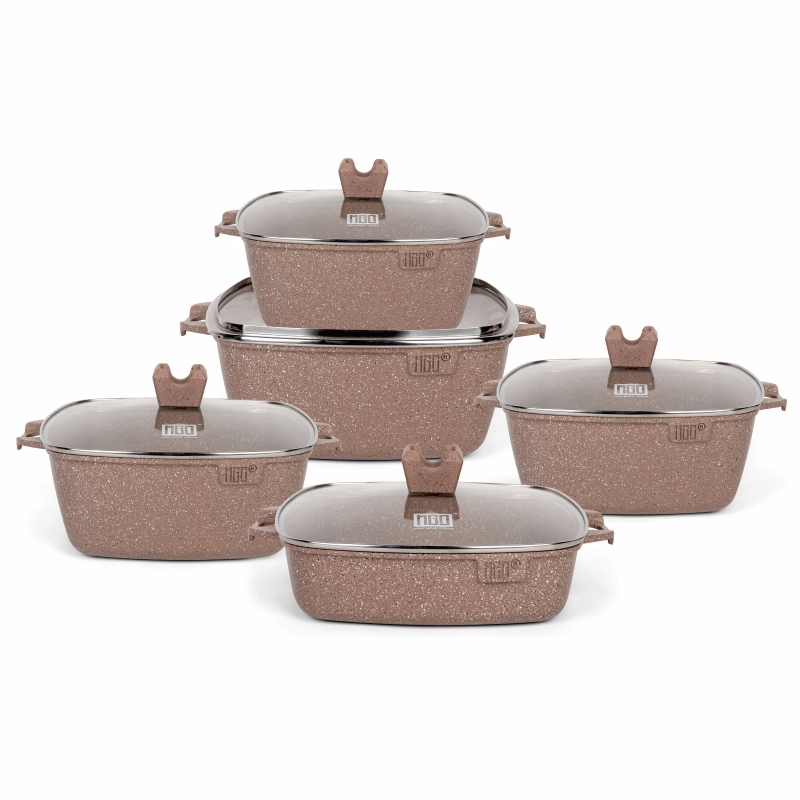
A frying pan is a fundamental cookware item used for frying, searing, sautéing, and browning ingredients across a wide range of recipes. Its performance depends on material composition, base construction, cooking surface, handle design, and compatibility with the intended heat source. Aluminum pans can provide responsive heating and convenient handling, while stainless steel models offer different durability and maintenance characteristics. Nonstick surfaces may simplify food release and cleaning when used according to product care instructions. MGCCookware serves buyers exploring cookware products for retail and distribution markets. For example, a kitchenware distributor can combine frying pans in several diameters with saucepans and grill pans to create a more complete product assortment. Restaurants and cafes can evaluate suitable models for breakfast preparation, vegetable sautéing, and selected quick service dishes. Before purchasing, buyers should review specifications, quality inspection procedures, packaging options, customization availability, and applicable food contact requirements. These considerations help importers match product characteristics with target customer expectations. Selecting frying pans according to intended cooking tasks, price positioning, and maintenance preferences supports informed procurement decisions and a more consistent customer experience across different sales channels.

Frequently Asked Questions

What materials are commonly used to make frying pans?

Common frying pan materials include aluminum, stainless steel, and cast iron. Each offers different characteristics in heating, weight, heat retention, and maintenance. Buyers should compare construction, cooking surface, handle design, and intended applications before choosing products for household use or commercial distribution.
The ideal size depends on portion requirements, cooking habits, and available stovetop space. Smaller pans suit individual servings, while larger models accommodate multiple ingredients. Retailers should consider their target customers and offer suitable size options with clear product dimensions and practical usage guidance.
Nonstick frying pans can be convenient for eggs, pancakes, fish, and other foods that may stick to uncoated surfaces. Users should follow the manufacturer's temperature limits and cleaning instructions. Appropriate utensils and careful handling can help maintain the cooking surface during regular use.
Suitable frying pans can support restaurant tasks such as preparing breakfast dishes, sautéing vegetables, and cooking individual portions. Commercial buyers should evaluate durability, heat compatibility, cleaning requirements, and expected workload. High volume kitchens may need specialized cookware designed for frequent service and demanding operating conditions.
Importers should confirm materials, dimensions, coating specifications, handle construction, packaging, and inspection standards. They should also clarify order quantities, lead times, customization options, and destination market compliance requirements. Reviewing samples and technical documentation helps buyers assess product suitability before committing to a bulk order.

Related article

New National Agency Established

28

Jul

New National Agency Established

Just launched: exclusive national agency in Kazakhstan with Almaty wholesale center. Streamline distribution, cut logistics costs, and scale market access. Request partnership details now.
View More
How to Choose the Right Cookware Set Material for Better Cooking Results?

14

Sep

How to Choose the Right Cookware Set Material for Better Cooking Results?

Discover how to choose the right cookware set material — aluminum, stainless steel, or non-stick — to match your cooking style and improve results.
View More
How to Know If Ceramic Cookware Is Safe and High Quality?

14

Sep

How to Know If Ceramic Cookware Is Safe and High Quality?

Wondering if ceramic cookware is it safe? Learn how to evaluate coating quality, material testing standards, and key quality signals before you buy.
View More
Proper Cleaning Methods to Extend the Life of a Durable Non Stick Pan.

18

Sep

Proper Cleaning Methods to Extend the Life of a Durable Non Stick Pan.

Learn proper cleaning methods to extend your durable non stick pan's life. Right kitchen habits protect the coating and keep food releasing cleanly.
View More

Customer Testimonials

Daniel Miller

Our frying pans support everyday meal preparation with convenient handling and versatile cooking performance. They help home cooks prepare eggs, vegetables, and meat efficiently across a variety of recipes.

Emily Carter

Adding frying pans to our cookware range helps us serve customers with different cooking needs. Multiple sizes and surface options make it easier to build a practical kitchenware assortment.

Get a Free Quote

Our representative will contact you soon.
Email
Mobile/WhatsApp
Name
Company Name
Message
0/1000
Versatile Performance Across Everyday Cooking Tasks

Versatile Performance Across Everyday Cooking Tasks

A well selected frying pan supports a broad range of cooking applications, making it a practical addition to household kitchens and cookware retail collections. Users can fry eggs, sauté vegetables, brown meat, prepare pancakes, and cook fish with the appropriate pan and temperature settings. Material and surface choices influence the cooking experience, so buyers should consider their customers' preferred recipes and maintenance expectations. Retailers can offer several diameters to accommodate individual portions, couples, and family meals. Distributors may also combine frying pans with saucepans and grill pans to create coordinated cookware assortments. Clear product specifications help customers understand differences and choose products suited to their kitchens.
Informed Sourcing for International Cookware Markets

Informed Sourcing for International Cookware Markets

International cookware procurement requires careful evaluation of product quality, specifications, packaging, and destination market requirements. Buyers should examine material composition, coating information where applicable, handle construction, and cleaning instructions before confirming an order. MGCCookware provides a starting point for distributors and retailers exploring cookware options for different customer segments. For example, an online seller may prioritize manageable shipping dimensions and clear product information, while a retail chain may focus on consistent packaging and coordinated product ranges. Buyers can discuss customization possibilities, order quantities, and delivery expectations during supplier evaluation. A structured sourcing process supports more informed purchasing decisions and helps businesses align frying pan selections with their commercial objectives.