Cleaning Non-Stick Pan: B2B Care Guide for Retailers & Distributors

Get up to 35% off + Free shipping Shop now

Call Us:+86-579-86903988

Practical Cleaning Solutions for Non Stick Cookware

Practical Cleaning Solutions for Non Stick Cookware

Cleaning non stick pan surfaces correctly helps maintain convenient cooking performance in homes, restaurants, and professional food preparation environments. A smooth coating can reduce food adhesion, allowing grease and ordinary residue to be removed with warm water, mild detergent, and a soft sponge. For everyday kitchens preparing three meals daily, a consistent cleaning routine can reduce unnecessary scrubbing and simplify cleanup after breakfast, lunch, and dinner. Allowing cookware to cool before washing also helps avoid sudden temperature changes. Avoiding steel wool, harsh scouring powders, and metal scrapers helps protect the coating. For distributors and retailers, practical care guidance adds value to cookware products and supports more informed customer decisions.
Get A Quote

Case Study

Daily Care for Household Cookware

Household users often prepare eggs, vegetables, pancakes, and delicate fish in non stick pans. These foods may leave oil or small particles on the surface, but aggressive scrubbing is rarely the best first step. After cooking, allow the pan to cool naturally, then wash it with warm water and mild dish soap. A soft sponge can remove most ordinary residue without unnecessary abrasion. If food has dried onto the surface, soak the pan briefly before cleaning again. Rinse thoroughly and dry with a soft towel. These simple steps help families maintain cookware and establish a practical cleaning routine for everyday meal preparation.

Cleaning Guidance for Kitchenware Retailers

Kitchenware retailers can help customers understand how to clean non stick pans through product descriptions, packaging inserts, and after sales guidance. Clear instructions should explain cooling, gentle washing, soaking stubborn residue, and avoiding abrasive tools. For example, a retailer selling a cookware set with three pan sizes can provide one consistent care guide while highlighting any model specific differences. Dishwasher suitability should always follow the manufacturer's specifications rather than general assumptions. This information helps customers choose appropriate cleaning methods and understand coating maintenance. For retailers, useful care content also supports ecommerce product pages, customer service responses, and more confident purchasing decisions across different consumer markets.

Care Instructions for Wholesale Cookware Programs

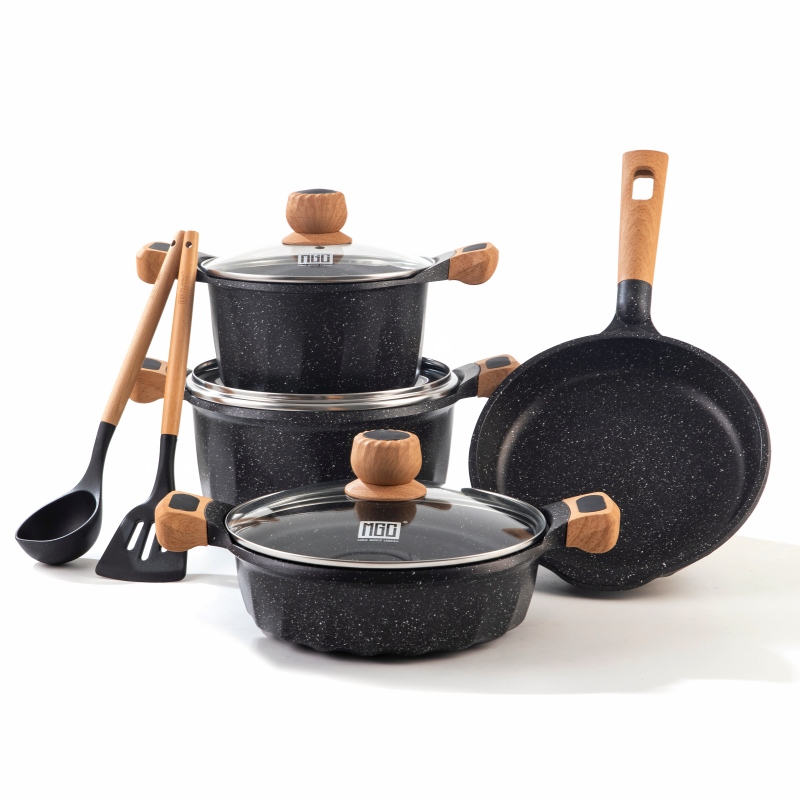
Importers, distributors, and private label brands can incorporate cleaning instructions into their cookware programs to improve product education. A practical guide can cover washing temperature, recommended cleaning tools, safe soaking practices, and proper drying. For example, a wholesaler supplying cookware to multiple retail stores can include standardized care information with each shipment, helping stores communicate consistent recommendations. Buyers should verify coating details, dishwasher guidance, packaging requirements, and product specifications with their supplier before publication. MGC Cookware can discuss available cookware options and customization requirements with business customers. Accurate care information helps create a complete product presentation for retail shelves, online listings, and customer support materials.

Related products

Cleaning a non stick pan effectively starts with understanding its coating and following suitable maintenance practices. After cooking, let the pan cool naturally before washing. Use warm water, mild dish soap, and a soft sponge to remove grease and food particles. For stubborn residue, soak the pan briefly instead of scraping it with metal utensils. Avoid steel wool and abrasive cleaners that may damage the cooking surface. Dry the pan thoroughly before storage, and check the manufacturer's instructions before using a dishwasher. For cookware manufacturers and wholesale buyers, cleaning guidance is also an important part of product education. MGC Cookware serves business customers exploring cookware solutions for different markets, including retail distribution and private label programs. Buyers can discuss available materials, coating options, designs, packaging, and customization requirements directly with the company. By combining suitable cookware specifications with clear care instructions, distributors can help customers understand everyday maintenance and make more informed purchasing decisions.

Frequently Asked Questions

What is the safest way to clean a non stick pan?

Let the pan cool naturally before washing it with warm water, mild dish soap, and a soft sponge. Rinse thoroughly and dry with a soft towel. Avoid steel wool, abrasive powders, and sharp metal tools because they may scratch or wear the nonstick coating.
Allow the pan to cool, then soak it in warm, soapy water for a short time. Gently loosen the residue with a soft sponge or nonabrasive utensil. Avoid forceful scraping and harsh cleaning chemicals, which may damage the cooking surface.
Dishwasher suitability varies by cookware model, coating, materials, and handle construction. Always check the manufacturer's instructions before placing a pan in the dishwasher. Handwashing with mild detergent and a soft sponge is a practical option for routine maintenance when the product instructions permit it.
Abrasive scrubbers can scratch or wear the coating, potentially affecting its nonstick performance. A soft sponge and mild detergent are generally suitable for ordinary food residue. If the cooking surface shows peeling or significant damage, discontinue use and follow the manufacturer's recommendations.
Wholesale buyers can contact MGC Cookware to discuss product options, specifications, and potential customization. Before ordering, confirm available materials, coating details, packaging, minimum order quantities, and market requirements. Buyers should also request accurate product care instructions to support their own product listings and customer education.

Related article

New Product Development

25

Aug

New Product Development

Struggling to sustain market relevance? Our proven 5-step new product development framework helps B2B teams launch winning solutions faster. Get the playbook now.
View More
New Market Promotion

25

Aug

New Market Promotion

Struggling to demonstrate product value? Face-to-face customer engagement drives 3.2x higher conversion in B2B markets. Discover proven field promotion tactics now.
View More
How to Choose the Best Cookware for Different Cooking Methods?

18

Sep

How to Choose the Best Cookware for Different Cooking Methods?

Discover how to match cookware to your cooking methods. A practical guide covering materials, heat needs, and kitchen tools for every cooking style.
View More
How to Extend the Lifespan of Your Cookware Through Proper Use?

18

Sep

How to Extend the Lifespan of Your Cookware Through Proper Use?

Learn how to extend the lifespan of your cookware through proper use, smart cooking habits, cleaning methods, and everyday kitchen care tips.
View More

Customer Testimonials

James Wilson

Gentle cleaning methods help remove daily food residue efficiently. Using a soft sponge and mild detergent makes routine maintenance simpler while helping protect the pan's cooking surface.

Emily Parker

A consistent cleaning routine saves effort after meal preparation. Allowing pans to cool before washing and avoiding abrasive scrubbers helps maintain their appearance through repeated everyday use.

Get a Free Quote

Our representative will contact you soon.
Email
Mobile/WhatsApp
Name
Company Name
Message
0/1000
Gentle Cleaning for Everyday Use

Gentle Cleaning for Everyday Use

A practical cleaning routine helps keep non stick cookware ready for daily meal preparation. Let the pan cool, wash with warm water and mild detergent, and use a soft sponge to remove residue. For stubborn food, brief soaking is preferable to aggressive scraping. Avoid steel wool, abrasive powders, and metal utensils that could damage the coating. These straightforward steps are useful for households, cooking enthusiasts, and retailers creating customer care guides. For cookware buyers, clear maintenance information can complement product specifications and help users understand appropriate handling. Always follow the instructions supplied with the specific pan, especially regarding dishwasher use and coating limitations.
Product Education for B2B Buyers

Product Education for B2B Buyers

Cleaning instructions can strengthen cookware product information for wholesalers, distributors, and private label businesses. Retail listings and packaging inserts can explain recommended washing methods, suitable cleaning tools, and precautions for protecting the cooking surface. A consistent guide is particularly useful when a product range includes different pan sizes or coating options, since care requirements may vary by model. MGC Cookware can discuss product specifications and customization needs with businesses sourcing cookware for their markets. Buyers should verify all technical details before publishing maintenance claims. Combining suitable cookware options with accurate care guidance supports better customer communication across ecommerce stores, retail channels, and after sales service.