How to Clean a Non-Stick Pan: B2B Care Guide for Retailers

Get up to 35% off + Free shipping Shop now

Call Us:+86-579-86903988

Smart Care Solutions for Non Stick Cookware

Smart Care Solutions for Non Stick Cookware

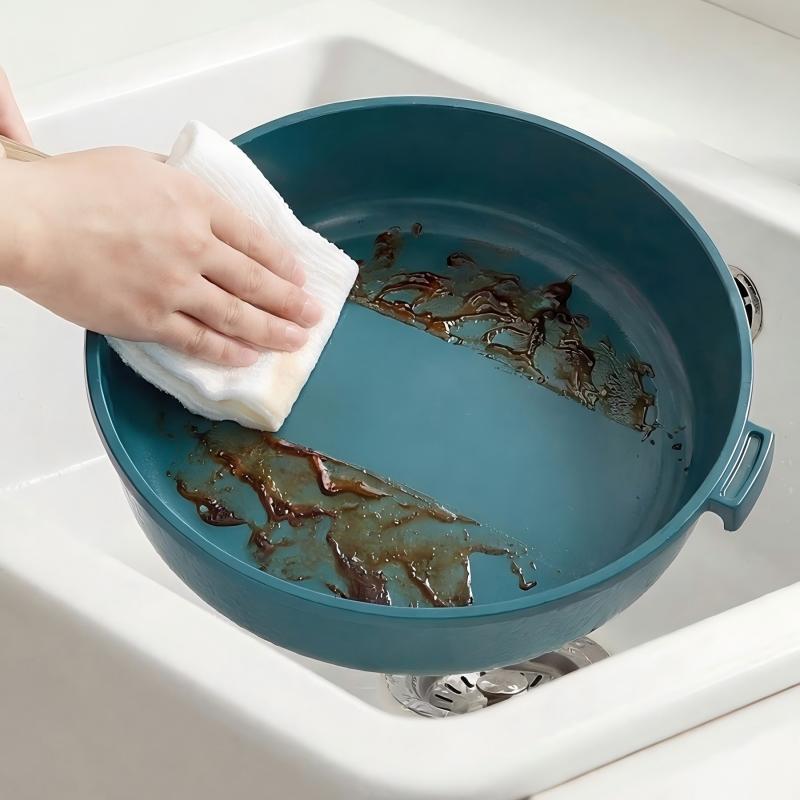
Cleaning a non stick pan properly helps maintain its cooking surface and simplifies cleanup after everyday meals. Whether preparing eggs for breakfast, sautéing vegetables for lunch, or cooking fish for dinner, users can usually remove ordinary residue with warm water, mild dish soap, and a soft sponge. Allowing the pan to cool naturally before washing helps avoid sudden temperature changes. For stubborn food, brief soaking is preferable to forceful scraping. Avoid steel wool, harsh scouring powders, and metal utensils that may scratch the coating. For cookware retailers and distributors, practical maintenance guidance adds useful value to product descriptions and helps customers understand how to care for their purchases.
Get A Quote

Case Study

Efficient Cleanup in Home Kitchens

Home cooks use non stick pans for quick meals, delicate ingredients, and recipes that may leave oily or sticky residue. An easy cleaning routine starts by letting the pan cool naturally after cooking. Wash it with warm water, mild dish soap, and a soft sponge, then rinse and dry thoroughly. If food remains attached, soaking the pan briefly can help loosen it without aggressive scrubbing. Avoid sharp utensils and abrasive pads that could damage the coating. These practical steps fit into everyday household routines and help users maintain cookware between meals. Following the manufacturer's instructions remains important for product specific cleaning requirements.

Customer Education for Cookware Retailers

Retailers can make cleaning a non stick pan easier for customers by including clear care instructions on packaging, product pages, and instruction leaflets. Useful guidance explains how to cool the pan, remove residue gently, and avoid abrasive materials. For example, a retailer selling a cookware set with multiple pan sizes can provide a shared care guide while noting any differences between models. Dishwasher suitability should be confirmed through the manufacturer's product specifications. This approach helps customers select appropriate cleaning methods and gives store staff reliable information for common questions. Clear maintenance content also supports ecommerce listings and after sales communication across different sales channels.

Wholesale and Private Label Product Support

Wholesale buyers and private label brands can integrate cleaning guidance into their cookware programs to support customer satisfaction. A care insert can explain recommended cleaning materials, safe soaking practices, drying procedures, and coating precautions. For instance, a distributor supplying cookware to several retailers can provide consistent instructions with each product shipment. Buyers should verify specifications for every model, since coating materials and dishwasher recommendations may differ. MGC Cookware can discuss product options and customization requirements with business customers seeking cookware for their target markets. Accurate product information helps retailers communicate responsible maintenance practices and present cookware more effectively through store displays, catalogs, and online product pages.

Related products

Cleaning a non stick pan requires gentle methods and attention to the product's care instructions. After cooking, allow the pan to cool naturally before washing. Warm water, mild dish soap, and a soft sponge are suitable for removing many types of everyday residue. If food has dried onto the surface, soak the pan briefly rather than scraping it with a metal utensil. Avoid steel wool, abrasive powders, and harsh scouring pads that may damage the coating. Rinse thoroughly and dry the pan before storage. Dishwasher suitability depends on the individual product, so check the manufacturer's instructions before choosing that cleaning method. MGC Cookware works with business buyers exploring cookware options for retail, wholesale, and private label markets. Buyers can discuss available product designs, coating choices, packaging, and customization needs with the company. Combining suitable cookware with clear maintenance information helps businesses provide useful guidance to their customers and supports informed purchasing decisions across different markets.

Frequently Asked Questions

How should I clean a non stick pan after everyday cooking?

Let the pan cool naturally, then wash it with warm water, mild dish soap, and a soft sponge. Rinse away all detergent and dry with a soft towel. Avoid abrasive pads and metal scrapers, which may damage the coating during routine cleaning.
Allow the pan to cool before adding warm, soapy water. Soak it briefly to loosen the residue, then gently clean with a soft sponge. Avoid forceful scraping or harsh cleaning products. If sticking becomes persistent, check the pan's condition and follow the manufacturer's care recommendations.
It depends on the specific cookware model and its manufacturer's instructions. Some pans may be labeled dishwasher safe, while others require handwashing. Using warm water, mild detergent, and a soft sponge is a practical everyday method when permitted by the product care guidance.
Soft sponges, nonabrasive cloths, and mild dish soap are generally appropriate for everyday cleaning. Avoid steel wool, rough scouring pads, abrasive powders, and sharp metal tools. These materials may scratch the coating and affect its performance. Always follow the care instructions provided with your cookware.
Wholesalers should review product specifications, coating information, intended applications, packaging options, and market requirements before ordering. Contacting MGC Cookware can help buyers discuss available cookware and potential customization. Request model specific cleaning instructions so retailers can provide accurate maintenance guidance to end customers.

Related article

New Market Promotion

25

Aug

New Market Promotion

Struggling to demonstrate product value? Face-to-face customer engagement drives 3.2x higher conversion in B2B markets. Discover proven field promotion tactics now.
View More
How to Choose the Right Pan Size for Different Cooking Needs?

14

Sep

How to Choose the Right Pan Size for Different Cooking Needs?

Find the right pan size for your kitchen. Covers key criteria — from cooking portions to frying techniques — to help you choose smarter.
View More
Proper Cleaning Methods to Extend the Life of a Durable Non Stick Pan.

18

Sep

Proper Cleaning Methods to Extend the Life of a Durable Non Stick Pan.

Learn proper cleaning methods to extend your durable non stick pan's life. Right kitchen habits protect the coating and keep food releasing cleanly.
View More
How to Extend the Lifespan of Your Cookware Through Proper Use?

18

Sep

How to Extend the Lifespan of Your Cookware Through Proper Use?

Learn how to extend the lifespan of your cookware through proper use, smart cooking habits, cleaning methods, and everyday kitchen care tips.
View More

Customer Testimonials

Andrew Miller

Gentle washing with warm water and mild detergent helps remove everyday food residue. A soft sponge makes cleanup easier while helping maintain the cooking surface during regular household use.

Sophie Taylor

Clear care instructions help customers maintain cookware with confidence. Cooling pans before washing and avoiding abrasive scrubbers are simple habits that support better everyday kitchen maintenance.

Get a Free Quote

Our representative will contact you soon.
Email
Mobile/WhatsApp
Name
Company Name
Message
0/1000
A Simple Routine for Cleaner Cookware

A Simple Routine for Cleaner Cookware

Cleaning a non stick pan does not need to involve complicated products or aggressive scrubbing. Let the cookware cool, use warm water and mild dish soap, and gently wipe the surface with a soft sponge. Brief soaking can help loosen dried food residue without scraping. Avoid abrasive cleaning materials that may damage the coating. These steps are practical for home kitchens, cooking enthusiasts, and retailers preparing customer care materials. Because cookware construction and coating specifications vary, users should always consult the instructions supplied with their specific product. A consistent cleaning routine helps keep cookware ready for regular meal preparation.
Useful Care Information for Business Buyers

Useful Care Information for Business Buyers

For importers, distributors, and private label brands, maintenance information is a useful part of a complete cookware product offering. Clear instructions can explain suitable cleaning tools, residue removal, drying, and precautions against coating damage. Businesses can adapt this information for packaging inserts, online product pages, and after sales support after verifying the details for each model. MGC Cookware provides a point of contact for buyers exploring cookware products and customization requirements. Before making product claims, buyers should confirm specifications and care limitations with the supplier. Accurate guidance supports consistent communication and helps customers understand how to maintain their cookware appropriately.