Cast Aluminum Cookware for B2B Buyers: Durable, Lightweight & Scalable

Get up to 35% off + Free shipping Shop now

Call Us:+86-579-86903988

Reviews Title 1:

Reviews Title 1:

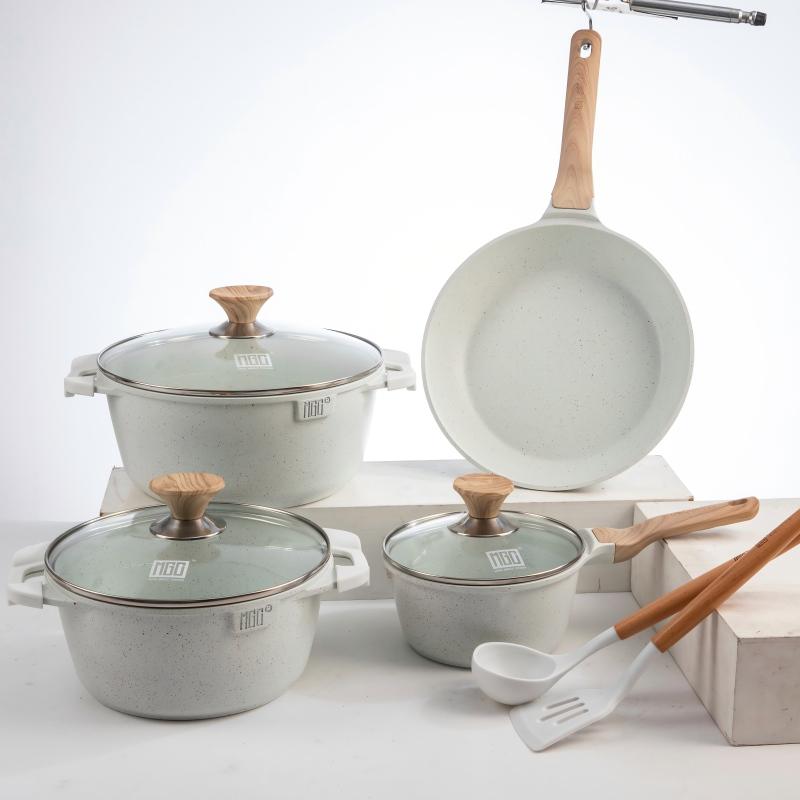
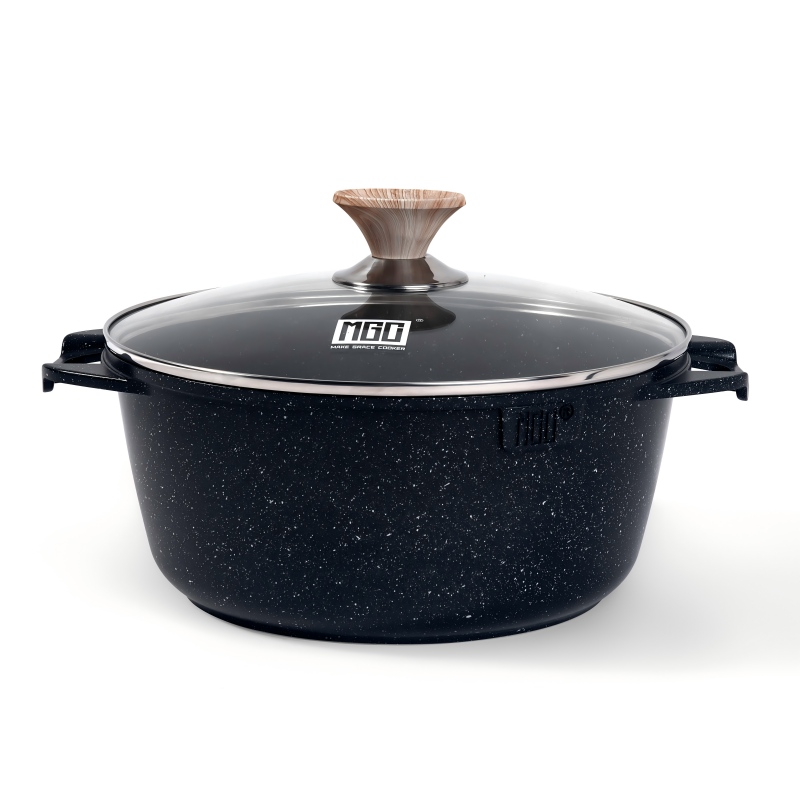
AST Aluminum Cookware is a practical choice for businesses seeking versatile cookware for home kitchens, restaurants, catering operations, and retail distribution. Aluminum is widely valued for its efficient heat transfer, relatively lightweight construction, and suitability for different cookware designs. These characteristics help support responsive temperature control during everyday cooking, from preparing breakfast to producing multiple dishes in busy commercial kitchens. Buyers can evaluate cookware thickness, handle construction, surface finish, and coating requirements according to their target markets. For distributors and private label brands, selecting suitable specifications can help balance product performance, purchasing costs, and customer expectations. Clear quality requirements and sample testing also support more consistent sourcing decisions.
Get A Quote

Case Study

Aluminum Cookware for Restaurant Kitchens

A restaurant equipment distributor supplying independent restaurants needs cookware that can support frequent meal preparation without adding unnecessary weight to kitchen operations. AST Aluminum Cookware offers a product category worth evaluating for this application because aluminum transfers heat efficiently and is convenient to handle. Buyers can assess pan dimensions, wall thickness, handle attachment, and surface durability against their operational requirements. For example, a restaurant serving 150 meals per day may prioritize easy handling, consistent heating, and straightforward cleaning procedures. Actual performance depends on the cookware design, heat source, and maintenance practices. Reviewing samples under representative cooking conditions helps commercial buyers determine whether the selected specifications meet their kitchen's needs.

Cookware Collections for Retail Brands

A homeware retailer planning a new cookware collection needs products that appeal to customers with different cooking habits and budgets. AST Aluminum Cookware can be considered for collections ranging from everyday frying pans to coordinated pots and pans, depending on available product specifications. Buyers may compare diameters, colors, handle styles, coating options, packaging, and compatibility with common stovetops. A retailer launching a five piece cookware set, for instance, can evaluate whether the selected combination addresses everyday cooking tasks without unnecessary duplication. Before placing a bulk order, the purchasing team should verify product samples, packaging requirements, and applicable food contact regulations. This process helps establish clear expectations for market entry and ongoing replenishment.

Private Label Cookware for Wholesale Buyers

An importer developing a private label kitchenware line must coordinate product specifications, branding, packaging, and order planning. AST Aluminum Cookware provides a relevant product category for evaluating these sourcing priorities. Depending on supplier capabilities, wholesale buyers may discuss customized colors, logo placement, handle designs, carton artwork, and product combinations. For example, a distributor targeting two retail channels could develop different packaging presentations while maintaining consistent core cookware specifications. The team should confirm minimum order quantities, sample approval procedures, production lead times, inspection criteria, and shipping arrangements before confirming a purchase. Detailed communication at each stage reduces misunderstandings and helps align the final order with the distributor's commercial requirements.

Related products

AST Aluminum Cookware is a useful category for buyers seeking practical kitchenware for household cooking, food service, and retail distribution. Aluminum is valued for its thermal conductivity, which allows cookware to respond efficiently to changes in heat input. Depending on construction, thickness, and design, aluminum pans can support a range of cooking tasks, including sautéing vegetables, frying eggs, reheating sauces, and preparing family meals. For commercial purchasers, selecting the right cookware involves more than comparing prices. Material thickness, surface treatment, handle security, pan dimensions, packaging, and intended heat sources should all be considered. When evaluating AST Aluminum Cookware for a wholesale or private label project, buyers should begin with a clear product specification. Define the target customer, expected usage frequency, preferred sizes, coating requirements, and branding needs. Request samples to assess balance, handling comfort, surface quality, and cleaning requirements under realistic conditions. For example, a distributor serving small restaurants may prioritize easy handling and versatile pan sizes, while a homeware retailer may focus on coordinated designs and shelf ready packaging. Manufacturing quality should be evaluated through documented inspection procedures and consistent product requirements. Buyers should also verify food contact compliance for the destination market and confirm compatibility with the intended cooking surfaces. By combining product testing, supplier communication, and thoughtful assortment planning, businesses can develop a cookware offering that better matches customer expectations and supports long term commercial growth.

Frequently Asked Questions

What are the main advantages of AST Aluminum Cookware?

Aluminum cookware is generally valued for efficient heat transfer, relatively low weight, and versatility across everyday cooking applications. Its performance depends on the specific construction, thickness, surface treatment, and handle design. Buyers should review product specifications and test samples to determine whether a particular model meets their cooking and commercial requirements.
It may be suitable for restaurants, catering businesses, and other food service operations when the selected models meet the required durability, capacity, and cleaning standards. Commercial buyers should evaluate cookware under representative working conditions, confirm handle security, and follow the manufacturer's instructions for temperature limits and maintenance before purchasing in bulk.
Customization possibilities depend on the manufacturer's actual capabilities and minimum order requirements. Potential discussion points include product dimensions, exterior colors, handle styles, logo placement, and packaging design. Buyers should request a written specification, approve samples, and confirm production quantities, costs, and delivery schedules before committing to a customized order.
Buyers should inspect material thickness, surface consistency, handle attachment, edge finishing, and overall construction. Coated cookware also requires evaluation of coating uniformity and care instructions. Sample testing, documented inspection criteria, and verification of applicable food contact requirements help purchasing teams compare products objectively and reduce sourcing uncertainty.
Importers should confirm available models, minimum order quantities, sample costs, customization options, packaging specifications, production lead times, and shipping terms. They should also check destination market regulations, required documentation, and quality inspection arrangements. Written confirmation of these details helps align supplier expectations with purchasing budgets and distribution schedules.

Related article

New National Agency Established

28

Jul

New National Agency Established

Just launched: exclusive national agency in Kazakhstan with Almaty wholesale center. Streamline distribution, cut logistics costs, and scale market access. Request partnership details now.
View More
How to Select Reliable Cookware and Bakeware Suppliers for Bulk Orders?

14

Sep

How to Select Reliable Cookware and Bakeware Suppliers for Bulk Orders?

Learn how to evaluate cookware & bakeware suppliers for bulk orders: factory verification, certifications, MOQ, and quality control for wholesale buyers.
View More
How to Choose the Right Pan Size for Different Cooking Needs?

14

Sep

How to Choose the Right Pan Size for Different Cooking Needs?

Find the right pan size for your kitchen. Covers key criteria — from cooking portions to frying techniques — to help you choose smarter.
View More
How to Extend the Lifespan of Your Cookware Through Proper Use?

18

Sep

How to Extend the Lifespan of Your Cookware Through Proper Use?

Learn how to extend the lifespan of your cookware through proper use, smart cooking habits, cleaning methods, and everyday kitchen care tips.
View More

Customer Testimonials

James Wilson

Our restaurant supply business needed durable aluminum cookware with consistent heating. After evaluating the product specifications and sample performance, we found the cookware suitable for daily food preparation. Its practical design supports efficient kitchen workflows and simplifies routine handling for commercial buyers.

Michael Brown

We were looking for aluminum cookware suitable for retail distribution and everyday home cooking. The product range offered promising options for different customer needs, while customization discussions helped us assess potential opportunities for our private label collection.

Get a Free Quote

Our representative will contact you soon.
Email
Mobile/WhatsApp
Name
Company Name
Message
0/1000
Efficient Heat Transfer for Everyday Cooking

Efficient Heat Transfer for Everyday Cooking

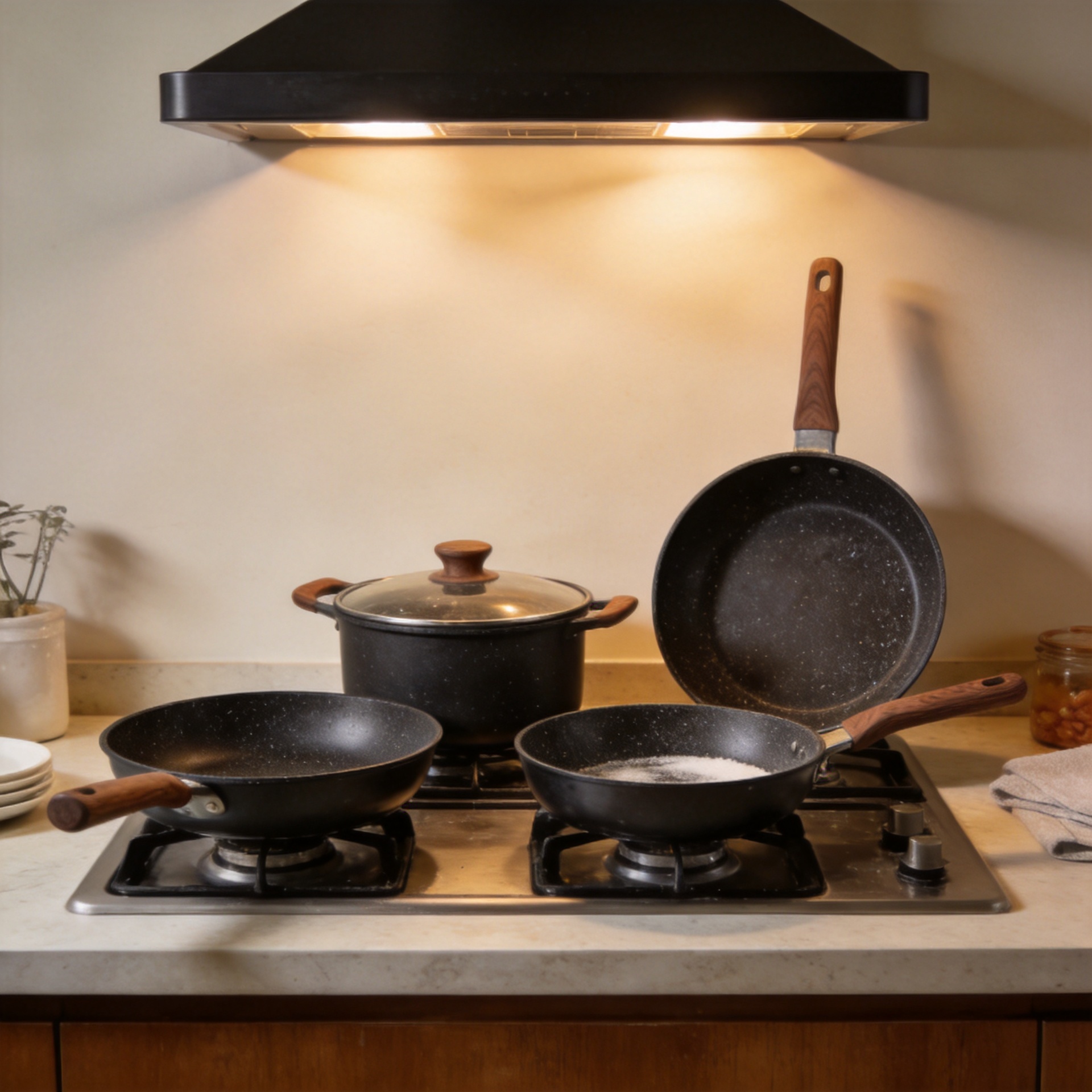
Aluminum cookware is widely appreciated for transferring heat efficiently, making it suitable for many routine cooking applications. Home cooks can use appropriately designed pans for frying eggs, sautéing vegetables, warming sauces, and preparing quick meals. In food service environments, responsive heating can help cooks adjust temperatures as recipes and cooking stages change. For buyers comparing AST Aluminum Cookware, the important consideration is how the complete product performs rather than the base material alone. Thickness, pan geometry, surface treatment, and compatibility with the heat source all influence practical results. Sample testing with representative ingredients and cooking methods provides a more reliable assessment than relying on material descriptions alone.
Lightweight Construction for Convenient Handling

Lightweight Construction for Convenient Handling

Cookware weight can influence comfort and workflow in both household and commercial kitchens. Aluminum is generally lighter than many alternative cookware materials, although the final weight depends on dimensions, thickness, construction, and added components. A home cook may appreciate easier movement when transferring a pan between the stovetop and serving area, while a catering team may value manageable equipment during repeated preparation tasks. When assessing AST Aluminum Cookware, buyers should compare empty and loaded handling, grip comfort, handle attachment, and balance. For example, a retailer selecting cookware for older consumers may prioritize comfortable lifting and practical pan capacities. Product samples help validate these considerations before a larger purchasing commitment.