Non-Stick Coating Solutions for B2B Cookware Brands

Get up to 35% off + Free shipping Shop now

Call Us:+86-579-86903988

Practical Nonstick Coating Solutions for Cookware Collections

Practical Nonstick Coating Solutions for Cookware Collections

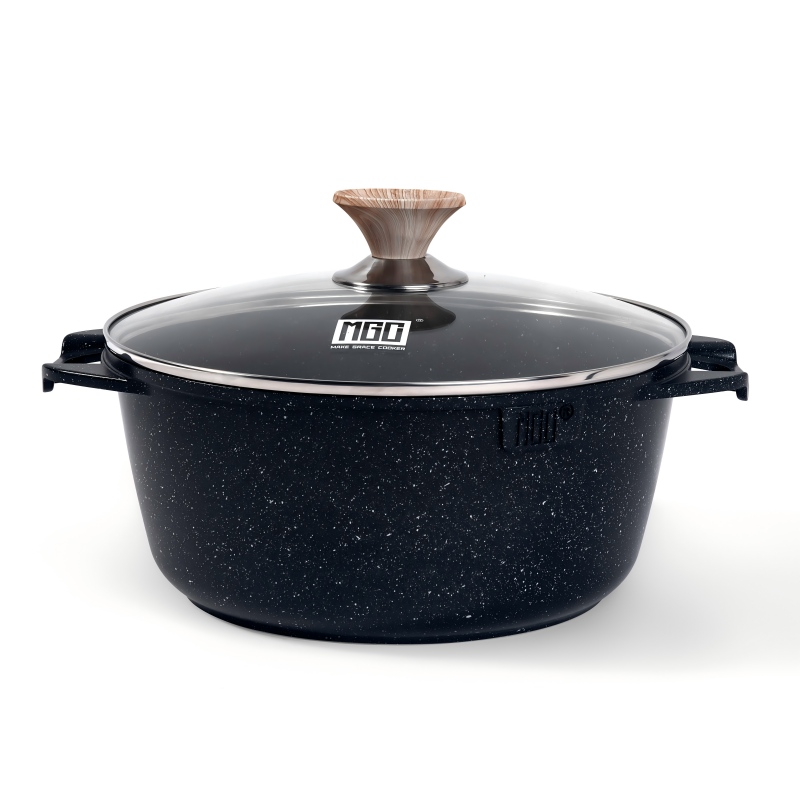
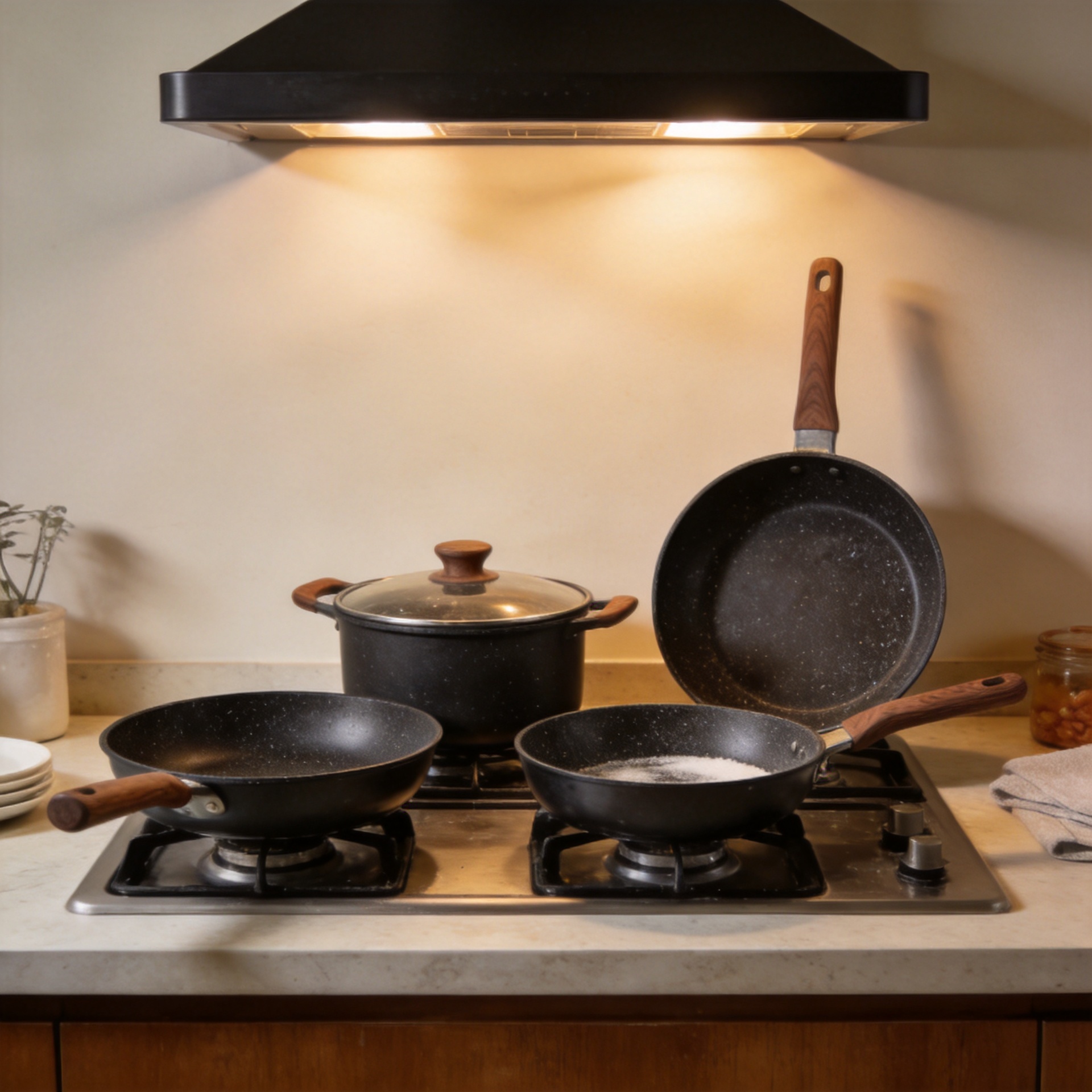
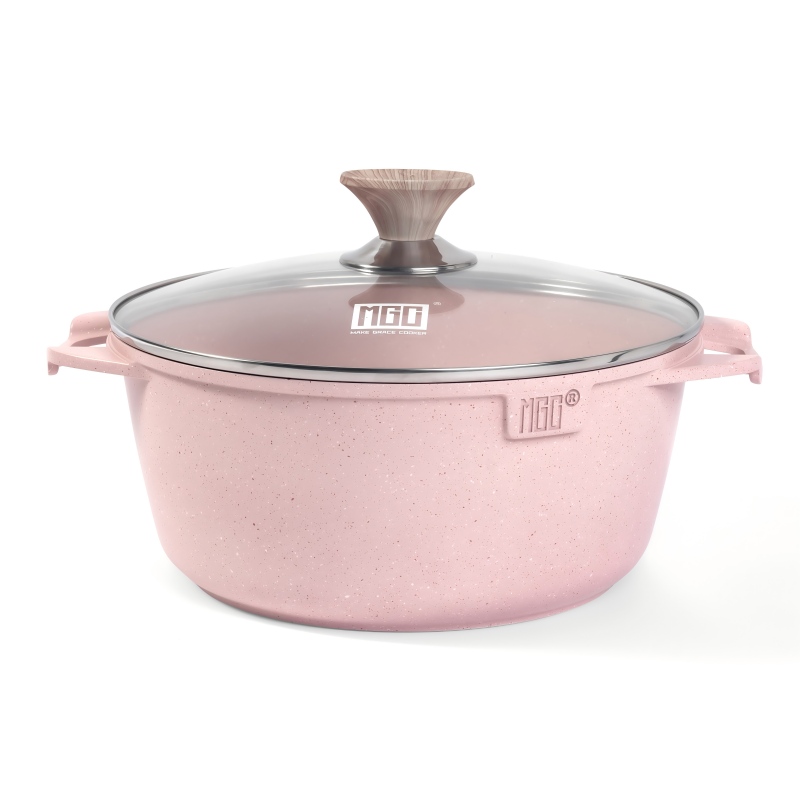
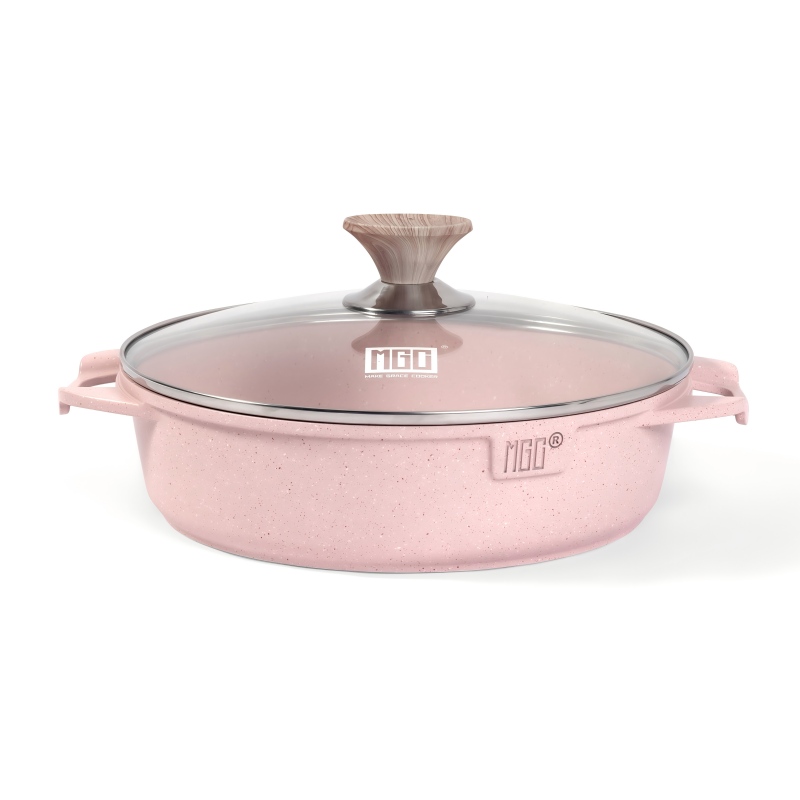
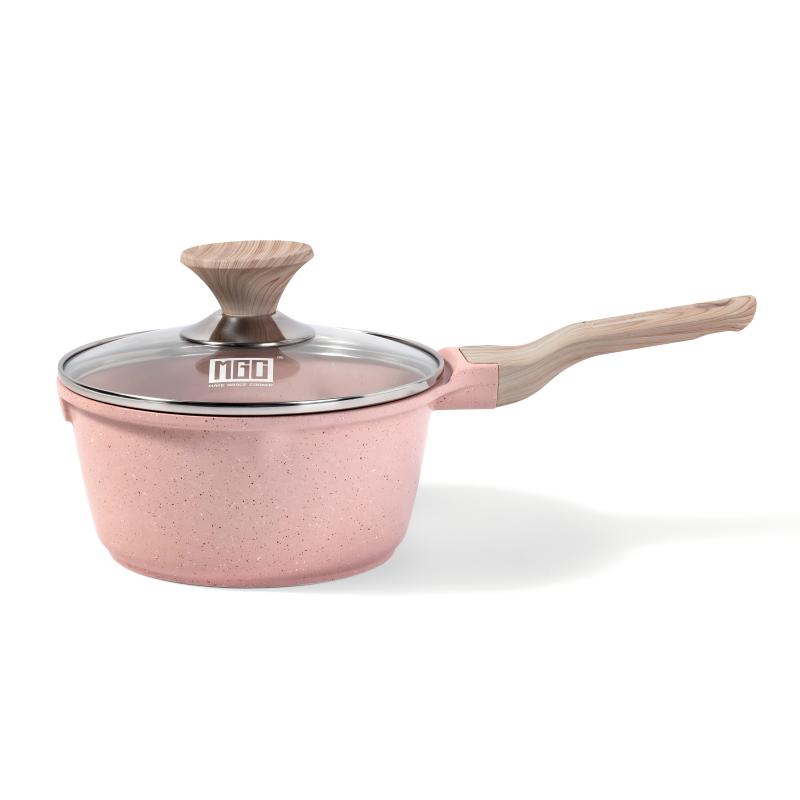
Non stick coating is an important feature in many modern cookware products because it can help reduce food sticking and simplify everyday cleaning. When properly selected and maintained, a suitable coating can support convenient cooking for tasks such as frying eggs, preparing pancakes, and sautéing vegetables. Different coating systems offer different characteristics, so buyers should evaluate composition, application, care requirements, and recommended operating temperatures before choosing a product. For cookware brands, wholesalers, and retailers, these details influence product positioning, customer education, and assortment planning. MGC Cookware offers cookware options featuring nonstick surfaces, with specific coating types depending on the model. B2B buyers should confirm current product specifications, available finishes, customization possibilities, and order terms directly with MGC Cookware before making sourcing decisions.
Get A Quote

Case Study

Selecting Cookware for Retail Assortments

A homeware retailer wants to expand its cookware category with products that support convenient everyday meal preparation. Nonstick coated frying pans and saucepans can complement stainless steel and other cookware options in the same assortment. The buyer compares coating types, body materials, dimensions, handle designs, and cleaning requirements to determine which products suit its customers. Accurate descriptions are important because coating composition and care instructions can differ significantly between models. By reviewing specifications before ordering, the retailer can prepare clearer product listings and customer guidance. MGC Cookware can be contacted to confirm available cookware models and the relevant coating information for each selected product.

Building a Wholesale Cookware Portfolio

A kitchenware distributor needs a product range that serves different retail channels and customer preferences. Nonstick coated cookware can provide options for consumers seeking convenient food release and straightforward cleaning. The distributor evaluates product construction, coating specifications, compatible cooking surfaces, packaging, and maintenance requirements before comparing suppliers. It also requests supporting documentation to help sales teams explain product differences accurately. A clear understanding of each coating system helps prevent unsupported claims about durability, safety, or performance. Before placing a wholesale order, the distributor should confirm current availability, minimum order quantities, lead times, and customization options with MGC Cookware.

Preparing Product Information for Ecommerce

An ecommerce seller is developing product pages for a cookware collection and wants to explain nonstick coating features clearly. Rather than relying on generic descriptions, the seller verifies the coating type, cookware material, recommended utensils, cleaning methods, and temperature limits for each model. Product images and practical cooking examples can help shoppers understand how the cookware fits their needs. The seller also checks whether dishwasher use and induction compatibility are supported by the product specifications. This approach makes online listings more informative and reduces confusion about product features. MGC Cookware can be contacted to confirm current specifications before the seller publishes model specific claims.

Related products

Non stick coating is an important feature in many modern cookware products because it can help reduce food sticking and simplify everyday cleaning. When properly selected and maintained, a suitable coating can support convenient cooking for tasks such as frying eggs, preparing pancakes, and sautéing vegetables. Different coating systems offer different characteristics, so buyers should evaluate composition, application, care requirements, and recommended operating temperatures before choosing a product. For cookware brands, wholesalers, and retailers, these details influence product positioning, customer education, and assortment planning. MGC Cookware offers cookware options featuring nonstick surfaces, with specific coating types depending on the model. B2B buyers should confirm current product specifications, available finishes, customization possibilities, and order terms directly with MGC Cookware before making sourcing decisions.

Frequently Asked Questions

What is non stick coating used for in cookware?

Nonstick coating is designed to reduce food sticking to the cooking surface, which can make food release and routine cleaning easier. Its characteristics depend on the coating technology and cookware design. Buyers should check the product specifications to understand the intended use and maintenance requirements.
Conventional nonstick coatings and ceramic based nonstick surfaces use different coating technologies and may have different performance and care characteristics. Neither category should be assumed to be identical across all products. Review the composition, technical specifications, and manufacturer instructions for the specific cookware model.
Follow the care instructions supplied with the cookware. In general, avoid overheating an empty pan, use utensils suitable for the surface, and clean with mild dish soap and a soft sponge. Abrasive scrubbers and harsh cleaning products may damage some coatings.
Induction compatibility depends on the cookware's base construction, not simply on whether the cooking surface has a nonstick coating. A suitable magnetic base is required. Buyers should verify induction compatibility for the exact model before including it in a product range.
B2B buyers can contact MGC Cookware to ask about current cookware options and coating specifications. Before ordering, confirm the available models, materials, coating details, minimum order quantities, packaging, lead times, and customization options relevant to the intended market.

Related article

New Product Development

25

Aug

New Product Development

Struggling to sustain market relevance? Our proven 5-step new product development framework helps B2B teams launch winning solutions faster. Get the playbook now.
View More
New Market Promotion

25

Aug

New Market Promotion

Struggling to demonstrate product value? Face-to-face customer engagement drives 3.2x higher conversion in B2B markets. Discover proven field promotion tactics now.
View More
How to Choose the Right Pan Size for Different Cooking Needs?

14

Sep

How to Choose the Right Pan Size for Different Cooking Needs?

Find the right pan size for your kitchen. Covers key criteria — from cooking portions to frying techniques — to help you choose smarter.
View More
How to Extend the Lifespan of Your Cookware Through Proper Use?

18

Sep

How to Extend the Lifespan of Your Cookware Through Proper Use?

Learn how to extend the lifespan of your cookware through proper use, smart cooking habits, cleaning methods, and everyday kitchen care tips.
View More

Customer Testimonials

Cookware Product Buyer

A well selected nonstick coating can make everyday cooking more convenient by helping food release from the surface and simplifying routine cleaning. Product specifications are essential when comparing cookware options.

Kitchenware Distribution Manager

Different customers look for different coating characteristics, appearance, and care requirements. Understanding these differences helps distributors select cookware products that suit their target markets and retail assortments.

Get a Free Quote

Our representative will contact you soon.
Email
Mobile/WhatsApp
Name
Company Name
Message
0/1000
Convenient Food Release for Everyday Cooking

Convenient Food Release for Everyday Cooking

One of the main reasons cookware uses nonstick coating is to help food release from the cooking surface more easily. This feature can be useful when preparing eggs, pancakes, fish, and other foods that may stick during cooking. However, results depend on the coating system, cooking temperature, ingredients, and maintenance. For cookware retailers and distributors, describing the practical benefits without promising identical performance across all products helps customers make informed comparisons. Buyers should confirm the specifications of each MGC Cookware model and ensure that published product descriptions reflect the actual coating and recommended usage conditions.
Coating Specifications for Informed Purchasing

Coating Specifications for Informed Purchasing

Coating specifications are an important part of cookware sourcing because different technologies have different compositions, operating limits, and maintenance requirements. Buyers should ask about the coating type, recommended utensils, cleaning guidance, and any applicable technical documentation before selecting products. Claims about chemical composition or compliance should be supported by relevant documentation rather than inferred from a product's appearance or marketing description. This is particularly important for importers and retailers serving markets with specific product information requirements. MGC Cookware can be contacted to confirm the available coating details for selected models and support accurate purchasing decisions.
Flexible Options for Cookware Brands and Distributors

Flexible Options for Cookware Brands and Distributors

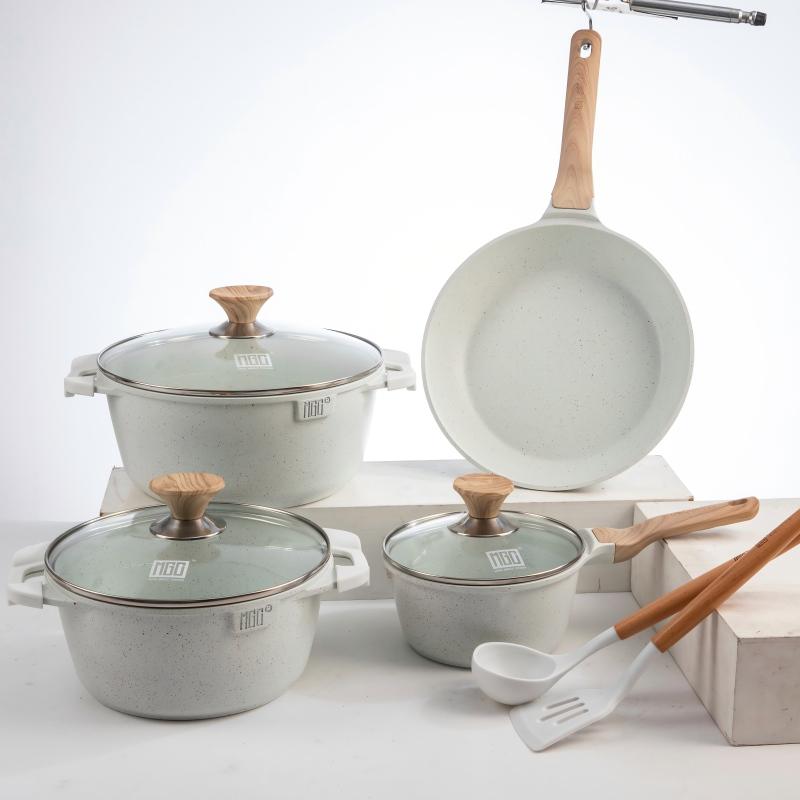
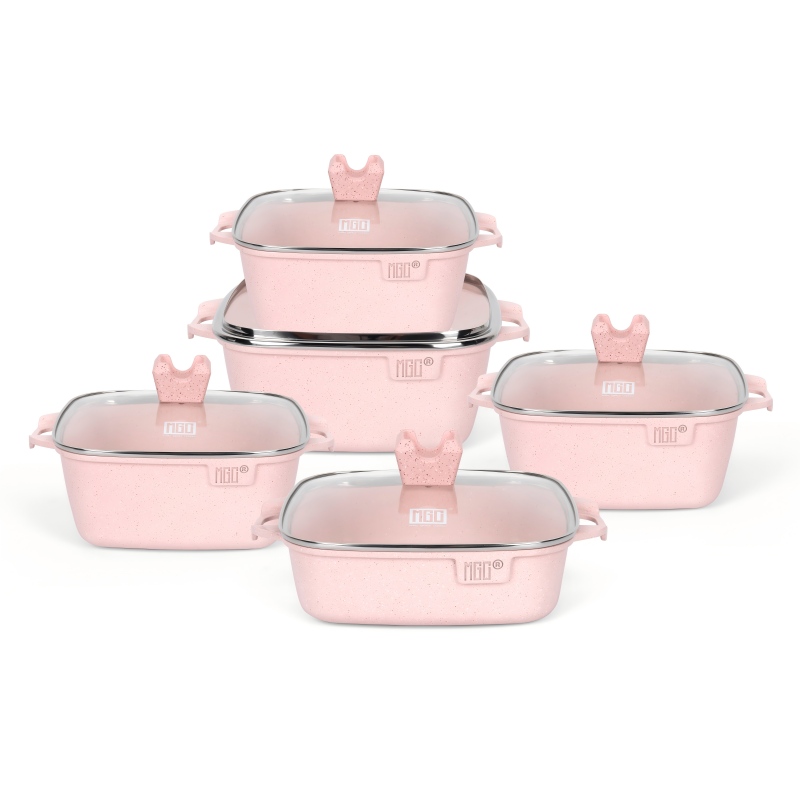
Nonstick coated cookware can support a variety of product assortments, from individual frying pans to coordinated cookware sets. B2B buyers can compare body materials, coating finishes, product sizes, handle styles, packaging, and intended cooking applications when planning their collections. Clear product specifications help sales teams explain the differences between available options and prepare consistent online or printed catalogues. Businesses should verify model availability and customization possibilities before finalizing their plans. Contact MGC Cookware to discuss current cookware options, confirm relevant technical details, and review wholesale requirements for retail, distribution, or product development projects.