Nonstick Cookware Wholesale | Premium OEM Sets & Private Label

Get up to 35% off + Free shipping Shop now

Call Us:+86-579-86903988

What Wholesale Buyers Value in Reliable Nonstick Cookware

What Wholesale Buyers Value in Reliable Nonstick Cookware

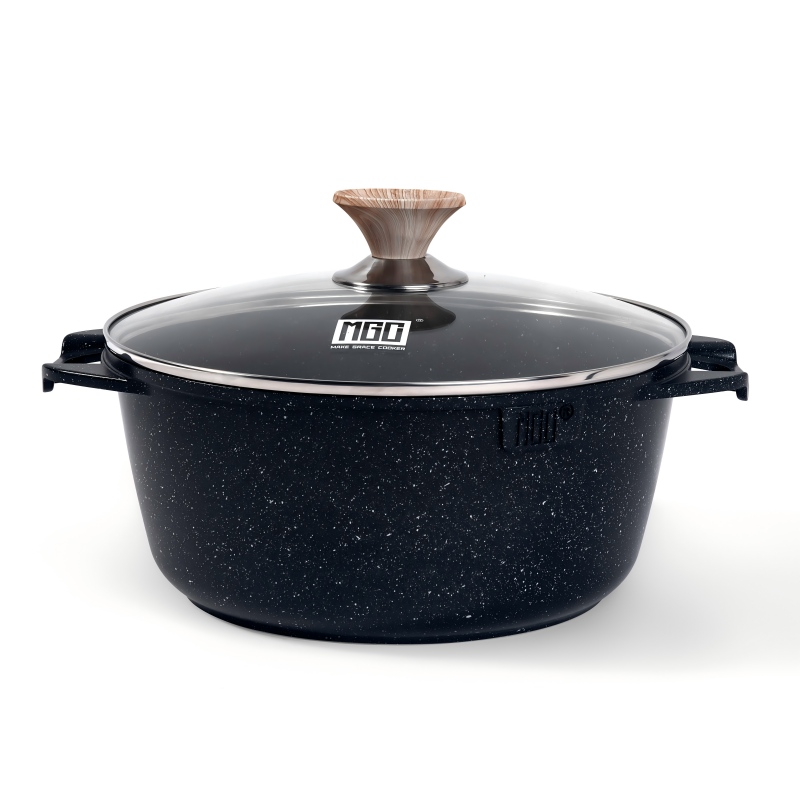
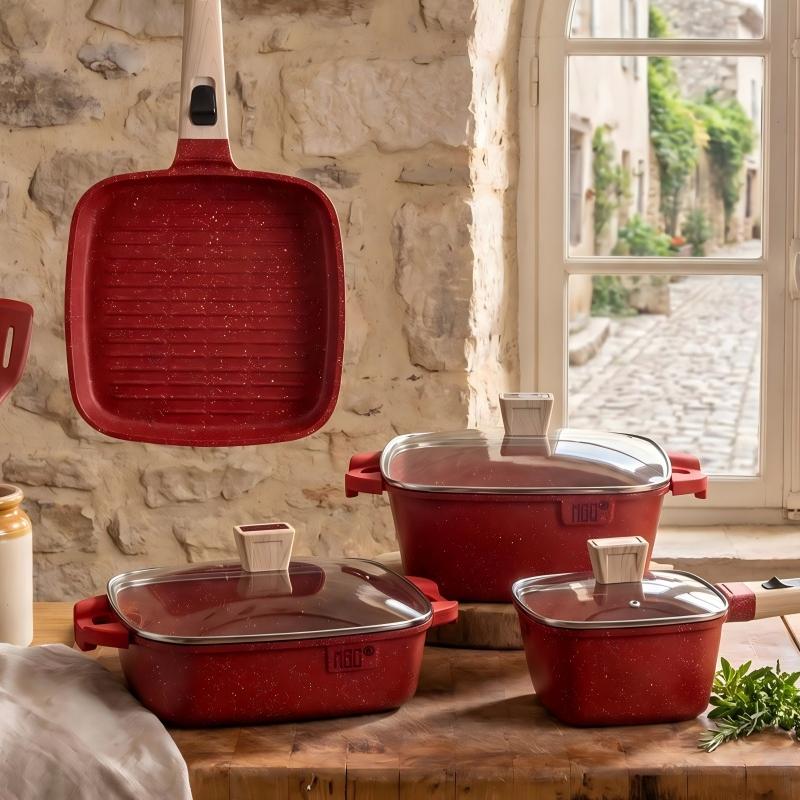
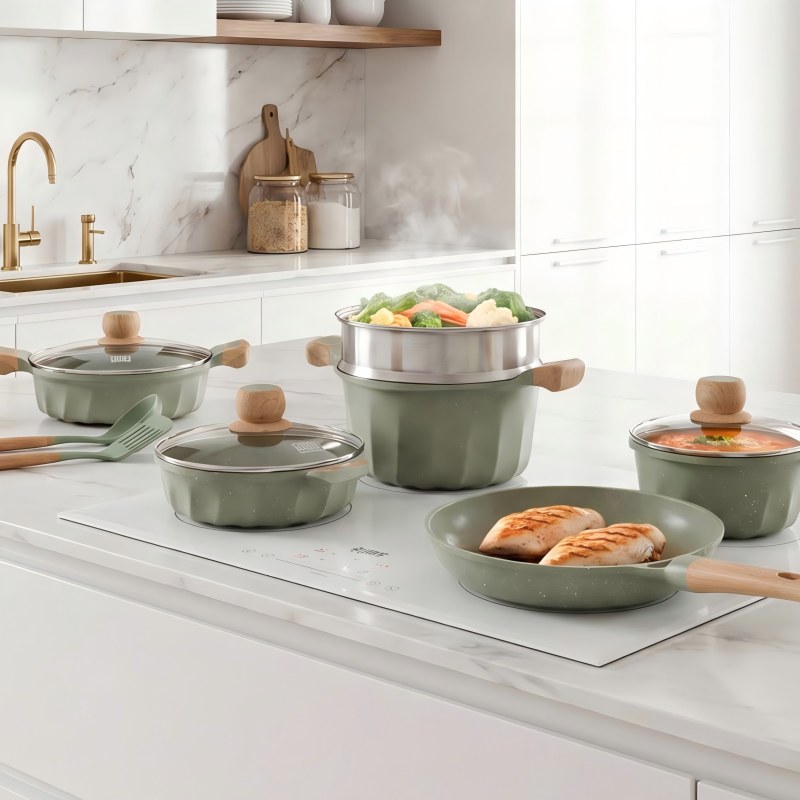
MG Cookware provides nonstick cookware wholesale solutions for importers, kitchenware distributors, supermarket chains, and private label brands. Our product range supports different cooking preferences, retail positioning, and purchasing requirements. Buyers can explore practical cookware designs, surface finishes, sizes, and handle configurations to build a consistent assortment. For example, a retailer launching a six item cookware collection can coordinate frying pans and saucepans within one product line. Appropriate coating selection, controlled manufacturing procedures, and product inspections help support dependable quality across commercial orders. By discussing target markets, packaging preferences, and order quantities in advance, buyers can develop a more organized sourcing strategy, manage inventory planning, and serve customers seeking convenient everyday cooking solutions.
Get A Quote

Case Study

Building a Balanced Retail Cookware Collection

A kitchenware distributor serving independent retailers needs products that appeal to households with different cooking habits and budgets. A coordinated nonstick cookware collection can include frying pans, saucepans, and multifunctional cooking pots in complementary sizes. For example, a distributor selecting three pan sizes can offer customers more flexibility without introducing an unnecessarily complicated assortment. Consistent design language also helps retailers organize shelf displays and online product listings. Wholesale buyers should evaluate coating performance, handle comfort, compatibility with intended cooktops, and packaging durability before confirming an order. Clear product specifications and sample evaluations help purchasing teams compare alternatives, communicate expectations, and prepare a more reliable assortment for seasonal retail demand.

Supporting Private Label Kitchenware Brands

A private label brand entering the cookware market needs products that reflect its positioning and visual identity. Wholesale sourcing can help the business coordinate pan dimensions, exterior colors, handle styles, and branded packaging within a unified collection. For example, a brand preparing four coordinated products can create a recognizable range for its website and retail partners. Before mass production, the buyer should confirm available customization options, artwork requirements, sample approval procedures, and minimum order quantities. Evaluating these details helps reduce communication gaps and supports smoother product launches. A structured sourcing process also makes it easier to compare quotations, establish realistic delivery schedules, and maintain consistent presentation across different sales channels.

Supplying Restaurants and Foodservice Resellers

Foodservice resellers often serve customers who require convenient cookware for staff kitchens, accommodation facilities, and light commercial food preparation. Nonstick frying pans can support cooking tasks involving eggs, vegetables, pancakes, and other foods that benefit from reduced sticking. For example, a hospitality supplier may assemble a cookware package containing several pan sizes to accommodate different kitchen requirements. Buyers should distinguish household cookware from products specifically tested for demanding commercial environments. They should also verify suitable heat settings, cleaning instructions, coating specifications, and handle durability. By matching product features with intended usage, wholesalers can communicate appropriate expectations, recommend suitable selections, and build a more dependable assortment for their professional customers.

Related products

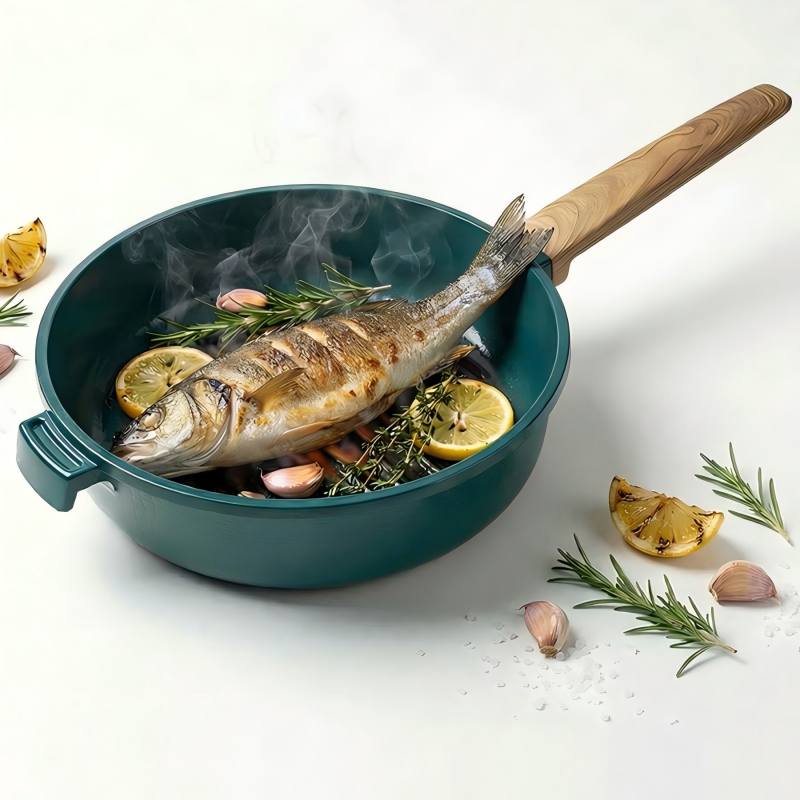
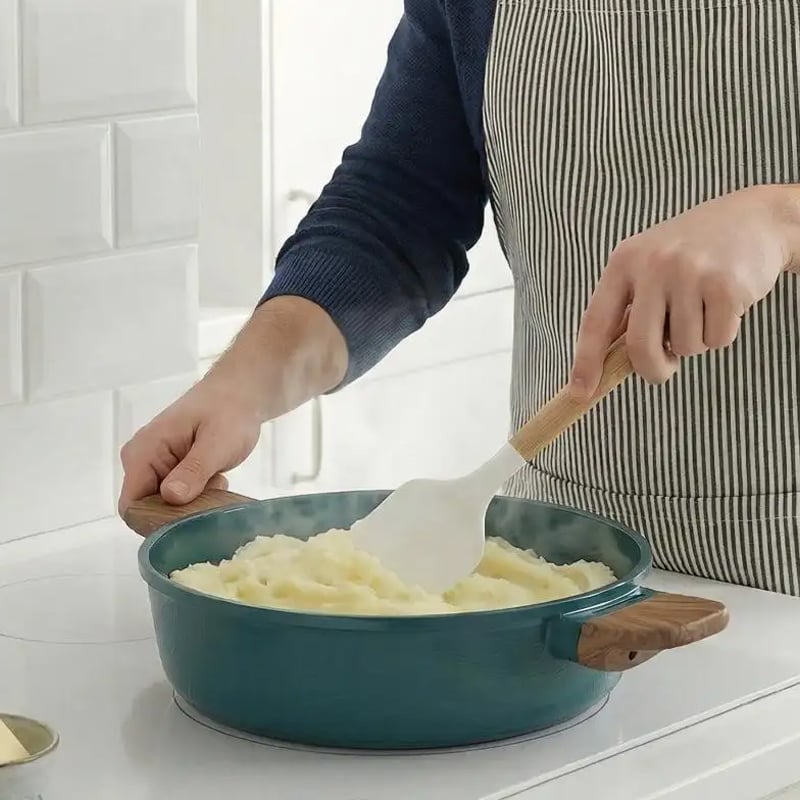
MG Cookware serves buyers seeking practical cookware solutions for retail distribution, private label development, and international sourcing. Its product offerings can help businesses explore nonstick frying pans, coordinated cookware sets, and different designs for everyday meal preparation. Nonstick surfaces are particularly useful when preparing delicate foods such as eggs, fish, and pancakes, while compatible utensils and appropriate heat settings help maintain coating condition. For wholesale projects, buyers should assess product dimensions, base construction, coating specifications, handle materials, packaging requirements, and applicable market regulations before confirming orders. A retailer planning a five piece cookware assortment, for example, can compare complementary pan sizes and cooking functions to create a more useful collection. Sample approval, documented specifications, and agreed inspection criteria help clarify expectations before production. Buyers should also request available test reports and confirm whether products meet relevant food contact requirements in their destination markets. By aligning product selection with customer needs, MG Cookware can support a more structured purchasing process and help businesses develop competitive kitchenware assortments for their target markets.

Frequently Asked Questions

What should buyers consider when purchasing nonstick cookware wholesale?

Buyers should evaluate coating specifications, cookware dimensions, base materials, handle construction, packaging, minimum order quantities, and delivery schedules. Requesting samples and available test documentation helps verify product suitability. Importers should also confirm food contact compliance requirements for their destination markets before approving commercial orders.
Customization options may include exterior colors, handle designs, product combinations, logos, and retail packaging, depending on the selected model and production requirements. Buyers should confirm available options, minimum quantities, artwork specifications, and sample approval procedures with MG Cookware before finalizing their private label project.
Review the coating specifications, available abrasion or adhesion test reports, recommended cooking temperatures, and cleaning instructions. Ask for representative samples and verify that the stated performance claims match the intended application. Consistent inspection criteria can help purchasing teams compare suppliers and assess product suitability.
Popular categories include frying pans, saucepans, and coordinated cookware sets. The right assortment depends on customer preferences, price positioning, cooking habits, and compatible cooktops. Retailers can compare several sizes and functions to create a balanced collection without carrying unnecessary product variations.
Provide the product types, required quantities, preferred dimensions, customization needs, packaging specifications, destination market, and target delivery schedule. If you need private label products, include your logo and artwork requirements. These details help the supplier assess feasibility and prepare a more relevant quotation.

Related article

New National Agency Established

28

Jul

New National Agency Established

Just launched: exclusive national agency in Kazakhstan with Almaty wholesale center. Streamline distribution, cut logistics costs, and scale market access. Request partnership details now.
View More
New Product Development

25

Aug

New Product Development

Struggling to sustain market relevance? Our proven 5-step new product development framework helps B2B teams launch winning solutions faster. Get the playbook now.
View More
New Market Promotion

25

Aug

New Market Promotion

Struggling to demonstrate product value? Face-to-face customer engagement drives 3.2x higher conversion in B2B markets. Discover proven field promotion tactics now.
View More
How to Choose the Right Pan Size for Different Cooking Needs?

14

Sep

How to Choose the Right Pan Size for Different Cooking Needs?

Find the right pan size for your kitchen. Covers key criteria — from cooking portions to frying techniques — to help you choose smarter.
View More

Customer Testimonials

Michael Turner

Our retail customers appreciated the consistent coating quality and practical designs. After introducing three nonstick cookware models, we streamlined product selection and improved our assortment planning for seasonal sales.

Sarah Mitchell

The customization options helped us develop a more distinctive cookware collection. By selecting suitable sizes, colors, and packaging, we prepared a coordinated product range for online retail and distributor orders.

Get a Free Quote

Our representative will contact you soon.
Email
Mobile/WhatsApp
Name
Company Name
Message
0/1000
Flexible Assortments for Multiple Sales Channels

Flexible Assortments for Multiple Sales Channels

Different sales channels require different cookware combinations. Supermarkets may prioritize accessible everyday frying pans, while online retailers often benefit from coordinated sets and detailed product specifications. Wholesale buyers can organize assortments around pan sizes, cooking functions, exterior finishes, and target price points. For example, a distributor could prepare three product groups for entry level, midrange, and premium retail positioning, provided the selected models support those requirements. This approach helps purchasing teams compare products systematically and communicate their value more clearly. Before ordering, buyers should verify actual product dimensions, coating information, packaging options, and compatibility claims. A well planned assortment can simplify inventory decisions while offering customers useful choices for everyday cooking.
Quality Verification Before Bulk Purchasing

Quality Verification Before Bulk Purchasing

Reliable wholesale sourcing starts with clear quality requirements rather than price comparisons alone. Buyers should request product samples, review coating specifications, examine handle attachment and base construction, and confirm the manufacturer's available inspection procedures. For example, a purchasing team evaluating two frying pan models can compare surface appearance, dimensions, packaging protection, and documented test results before approving production. Coating durability depends on the coating system, manufacturing quality, cooking temperatures, utensils, and cleaning practices, so buyers should avoid unsupported lifetime performance claims. Written specifications and agreed acceptance criteria make supplier communication more precise. Confirming food contact compliance documentation for the destination market also supports responsible purchasing and helps businesses prepare products for distribution with greater confidence.
Private Label Development for Brand Growth

Private Label Development for Brand Growth

Private label cookware allows retailers and distributors to develop products aligned with their brand identity and customer expectations. Depending on model availability, buyers may explore coordinated colors, handle styles, logo applications, and customized packaging. A brand preparing a four product launch, for example, can establish consistent visual presentation across frying pans and complementary cookware. The development process should begin with target customer research, followed by product selection, quotation review, sample approval, and confirmation of packaging artwork. Buyers should also clarify minimum quantities, production lead times, quality requirements, and applicable compliance documentation. These preparations help reduce avoidable revisions and support a more organized launch. With a clear product brief, MG Cookware can discuss suitable sourcing options for the intended market.