Is Ceramic Coated Cookware Safe? B2B Safety Guide [2024]

Get up to 35% off + Free shipping Shop now

Call Us:+86-579-86903988

Ceramic Coated Cookware Safety Experiences

Ceramic Coated Cookware Safety Experiences

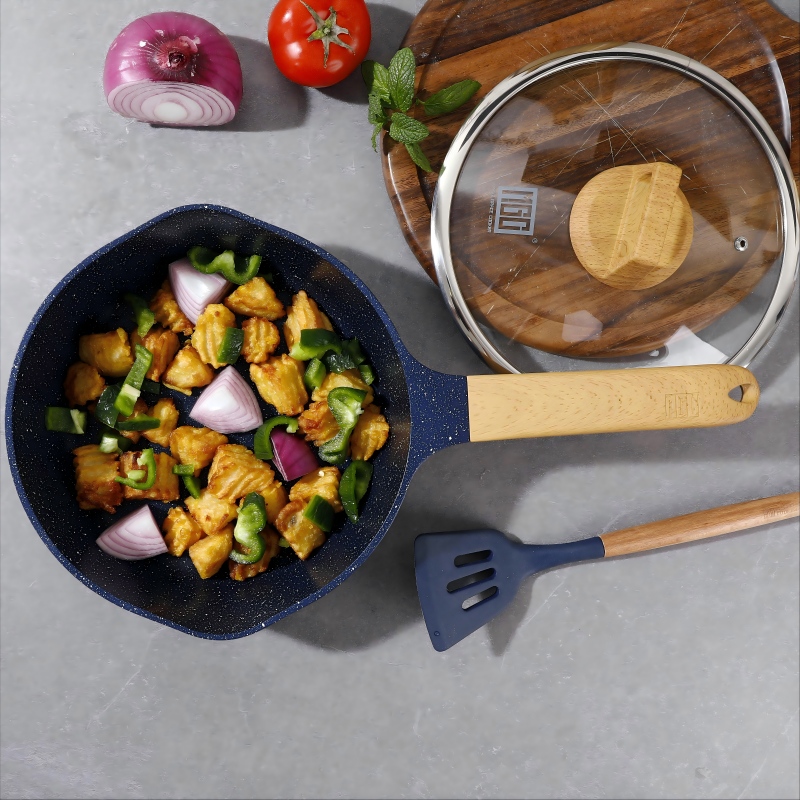
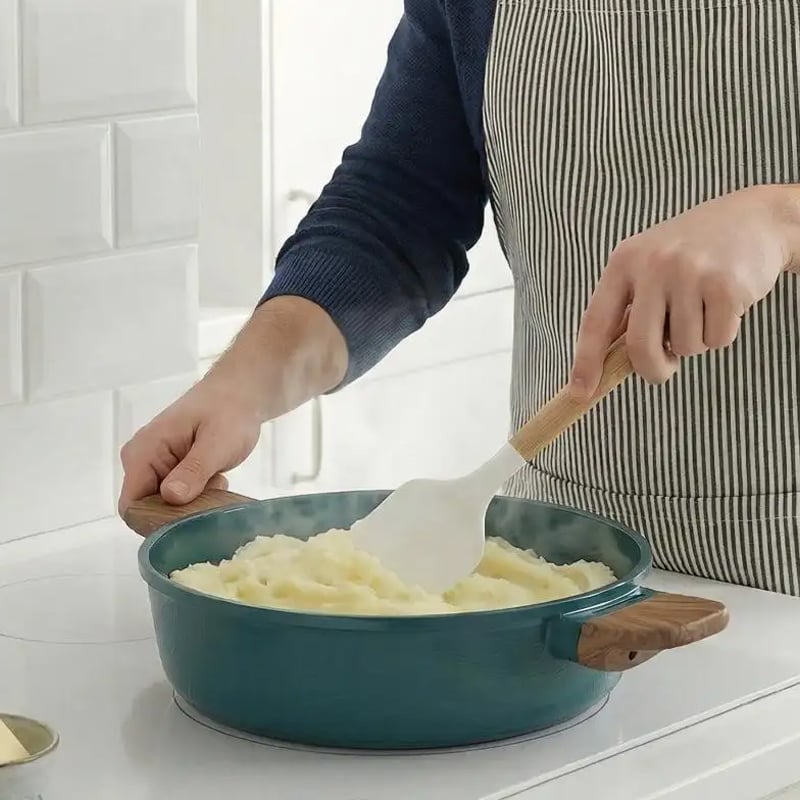
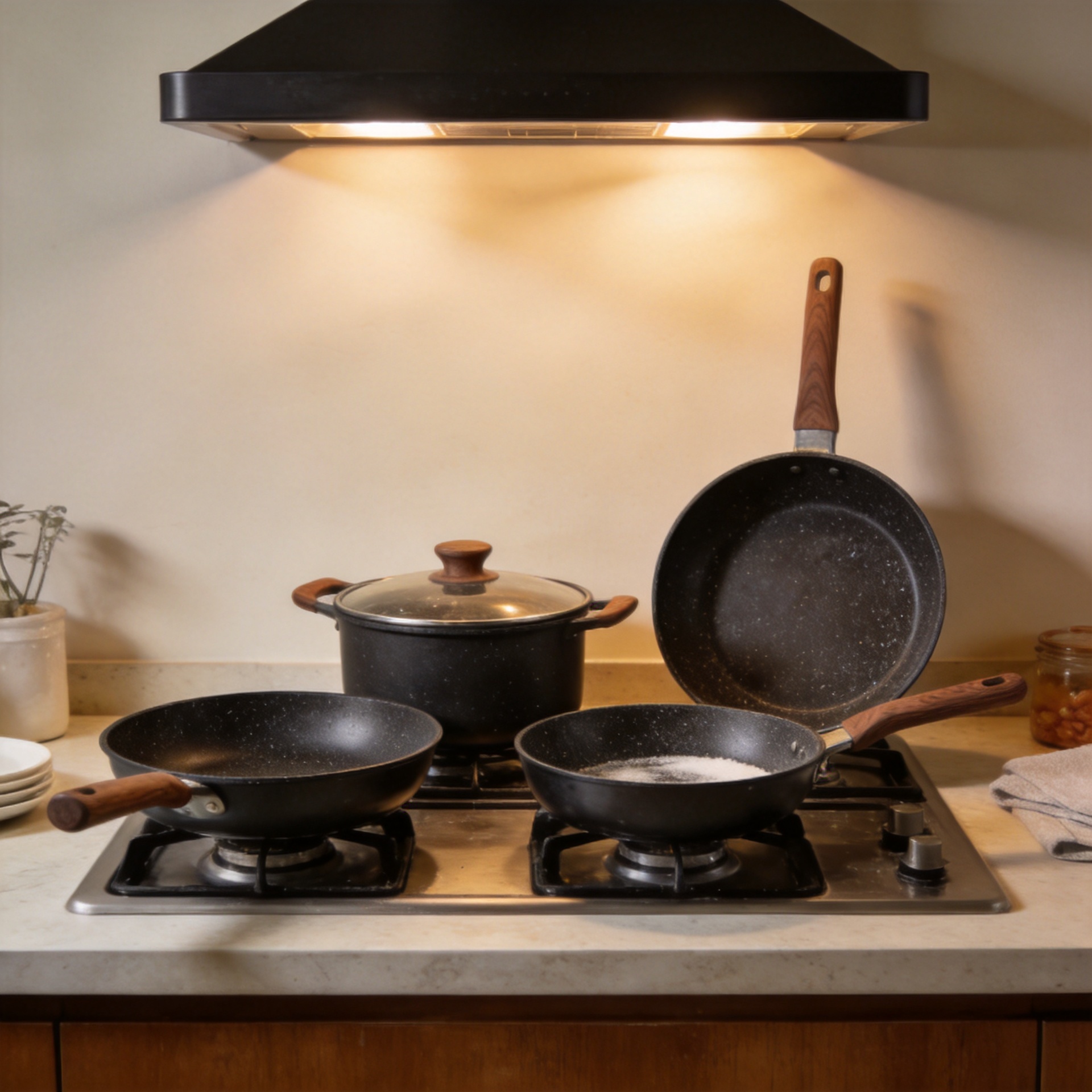
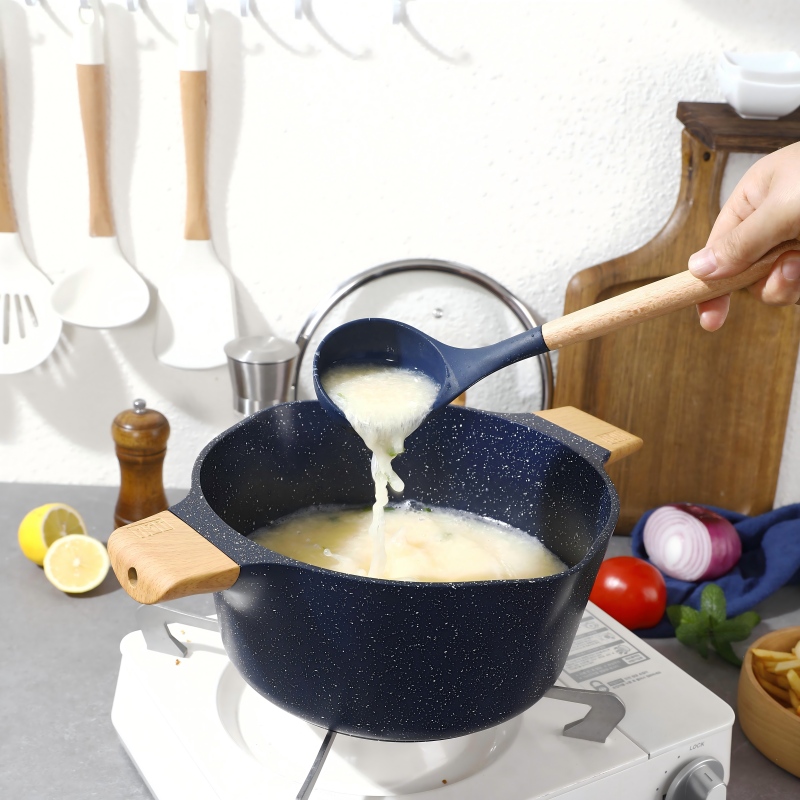
Is ceramic coated cookware safe for everyday cooking? Generally, ceramic-coated cookware can be suitable when manufactured with appropriate food-contact materials and used according to the manufacturer's instructions. Most products feature a metal base, such as aluminum, covered with a ceramic-based coating rather than solid ceramic throughout. The smooth surface can help release eggs, vegetables, and fish with less sticking, making routine cooking and cleanup more convenient. To maintain performance, use recommended temperatures, avoid sudden temperature changes, and choose utensils compatible with the coating. Inspect the surface regularly and replace cookware that shows significant chipping or deterioration. These practices support informed purchasing and responsible use.
Get A Quote

Case Study

Ceramic Coated Cookware for Family Kitchens

Households preparing breakfast, lunch, and dinner need cookware that balances convenience with appropriate material safety. Ceramic-coated pans can help prepare eggs, vegetables, and delicate fish with less sticking when used correctly. For a family cooking three meals daily, straightforward cleaning and clear maintenance instructions can simplify everyday kitchen routines. However, ceramic coatings differ in composition, quality, and durability. Consumers should review product specifications, follow recommended temperature limits, and avoid using pans with significant chips or peeling. Selecting cookware supported by applicable food-contact documentation helps buyers make informed decisions. Regular inspections and suitable utensils can also help preserve the cooking surface.

Ceramic Coated Cookware for Restaurant Operations

Restaurants and catering businesses require cookware that performs consistently during repeated food preparation. Ceramic-coated pans can be useful for eggs, vegetables, and other dishes that benefit from convenient food release. For example, a breakfast kitchen preparing 60 orders per morning may prioritize cookware that is easy to clean between batches. Actual performance depends on product construction, heat settings, and maintenance practices. Commercial buyers should verify that cookware suits their intended workload and temperature requirements. Staff should avoid abrasive cleaning tools, inspect surfaces regularly, and follow manufacturer guidance. Replacing significantly damaged cookware helps maintain appropriate preparation practices in busy professional kitchens.

Ceramic Coated Cookware for International Distributors

International cookware distributors must evaluate safety documentation, product consistency, and maintenance requirements before sourcing ceramic-coated cookware. Customers may value attractive finishes and convenient cooking performance, but the coating composition remains an important purchasing consideration. For example, a distributor supplying 12 retail stores may need consistent product specifications and care instructions across multiple batches. Buyers should request relevant food-contact compliance documents, technical specifications, and quality-control information before ordering. They should also confirm temperature limitations and replacement recommendations for each model. Transparent documentation helps retailers communicate accurate product information and supports informed purchasing decisions across different markets.

Related products

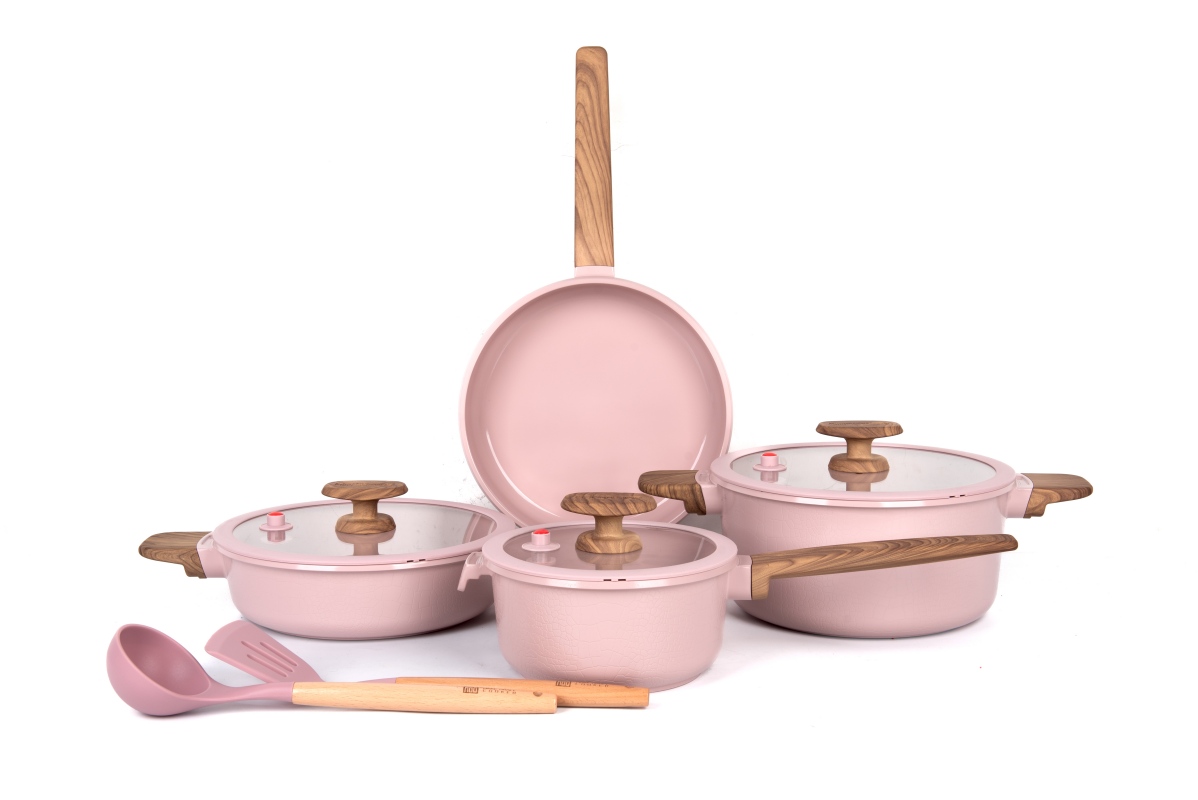
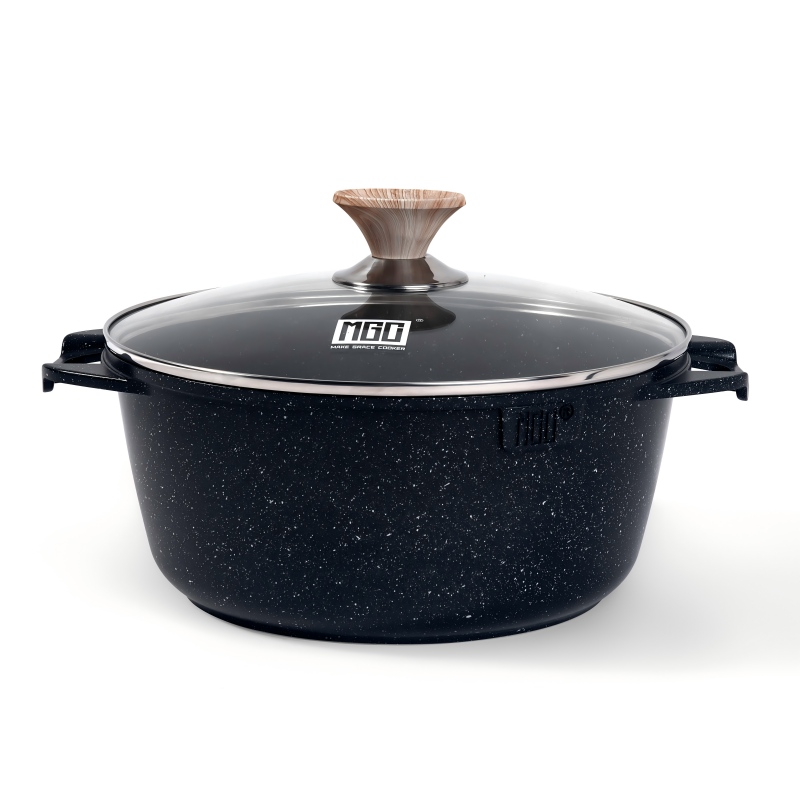
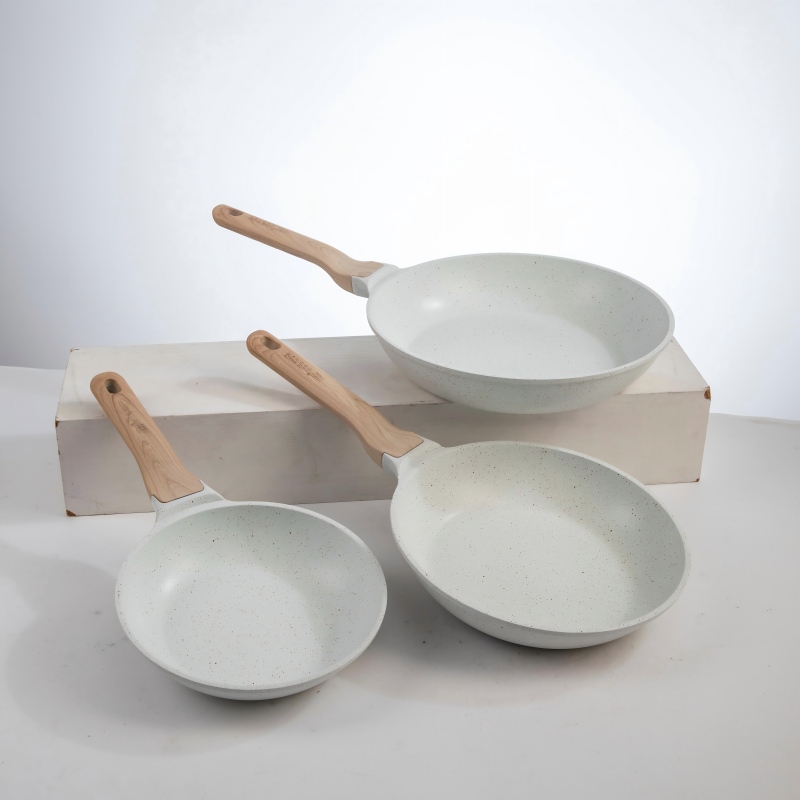
Ceramic-coated cookware is popular among consumers seeking convenient food release and an alternative to traditional nonstick surfaces. Most products consist of a metal body, often aluminum, covered with a ceramic-based coating. They are not necessarily made entirely from ceramic, and their safety depends on coating composition, manufacturing quality, product condition, and intended use. For everyday cooking, ceramic-coated pans can be practical for preparing eggs, vegetables, pancakes, and fish. Users should follow temperature recommendations, avoid sudden temperature changes, and use utensils suitable for the surface. Although many ceramic coatings are marketed as free from PTFE and PFOA, buyers should verify specific product claims rather than assuming every formulation is identical. For wholesale sourcing, review coating specifications, applicable food-contact compliance documentation, quality-control procedures, and sample products. MGC Cookware's official website provides a starting point for exploring available products and contacting the company about materials, manufacturing capabilities, and relevant certifications. A distributor supplying 12 retailers, for example, may benefit from consistent specifications and clear care instructions. Verifying these details helps buyers make informed purchasing decisions.

Frequently Asked Questions

Is ceramic coated cookware safe for everyday use?

Generally, yes. Ceramic-coated cookware can be suitable for everyday cooking when manufactured with appropriate food-contact materials and used according to the manufacturer's instructions. Check the coating specifications, follow temperature recommendations, and inspect the surface regularly. Replace cookware showing significant chipping or deterioration.
Many ceramic-coated cookware products are marketed as PTFE-free and PFOA-free, but formulations vary. Do not assume every product has identical ingredients. Check the manufacturer's material declarations and relevant documentation to verify specific claims before purchasing cookware for household or commercial use.
Heat resistance varies by coating, base material, and product design. Ceramic-coated cookware should not automatically be considered suitable for high-heat cooking. Follow the manufacturer's temperature limits, avoid prolonged empty-pan heating, and choose cookware specifically rated for your intended cooking method.
Minor marks do not automatically establish that cookware is unsafe, but significant chips, peeling, or flaking indicate deterioration. Consult the manufacturer's guidance and discontinue use when the cooking surface is substantially damaged. Gentle cleaning and compatible utensils can help reduce unnecessary surface wear.
Buyers should review coating composition, base materials, temperature limits, applicable food-contact compliance documents, and quality-control procedures. For wholesale orders, request product samples and relevant test reports. Verifying these details helps importers and retailers assess suitability and communicate accurate product information.

Related article

New National Agency Established

28

Jul

New National Agency Established

Just launched: exclusive national agency in Kazakhstan with Almaty wholesale center. Streamline distribution, cut logistics costs, and scale market access. Request partnership details now.
View More
Why Do Reliable Cookware Suppliers Matter for Product Success?

14

Sep

Why Do Reliable Cookware Suppliers Matter for Product Success?

A reliable cookware supplier shapes your product quality, supply chain, and sourcing outcomes. Discover what sets a dependable kitchenware supplier apart.
View More
How to Choose the Right Pan Size for Different Cooking Needs?

14

Sep

How to Choose the Right Pan Size for Different Cooking Needs?

Find the right pan size for your kitchen. Covers key criteria — from cooking portions to frying techniques — to help you choose smarter.
View More
How to Extend the Lifespan of Your Cookware Through Proper Use?

18

Sep

How to Extend the Lifespan of Your Cookware Through Proper Use?

Learn how to extend the lifespan of your cookware through proper use, smart cooking habits, cleaning methods, and everyday kitchen care tips.
View More

Customer Testimonials

Emily Carter

Illustrative customer scenario: A household preparing breakfast five days weekly prioritized ceramic-coated cookware with clear material information and followed recommended temperature limits to support responsible daily cooking.

James Wilson

Illustrative customer scenario: A kitchenware buyer compared three ceramic-coated cookware models, reviewing coating specifications and food-contact documentation before selecting products for household cooking applications.

Get a Free Quote

Our representative will contact you soon.
Email
Mobile/WhatsApp
Name
Company Name
Message
0/1000
Verify Coating Materials and Product Safety Documentation

Verify Coating Materials and Product Safety Documentation

Understanding the coating is essential when evaluating ceramic-coated cookware safety. Products that look similar may differ in their coating formulations, metal bases, and manufacturing controls. Buyers should review material declarations, applicable food-contact documentation, and recommended operating temperatures instead of relying solely on marketing terms. For example, a household preparing breakfast and dinner daily may prioritize clear safety information and simple care instructions. A distributor supplying 12 retail stores may need consistent specifications across multiple product batches. These checks help consumers and purchasing teams compare cookware more accurately. Verified documentation and responsible use support informed decisions without assuming every ceramic-coated product has identical characteristics.
Maintain Ceramic Coating Performance With Proper Care

Maintain Ceramic Coating Performance With Proper Care

Appropriate handling helps preserve ceramic-coated cookware during everyday use. Excessive heat, sudden temperature changes, abrasive scrubbers, and unsuitable utensils may contribute to premature surface deterioration. Users should allow pans to cool before washing, choose nonabrasive cleaning tools, and follow the manufacturer's instructions. For example, a family preparing meals five days each week can establish a consistent cleaning routine and inspect cookware regularly for visible damage. Commercial kitchens can introduce similar checks between service periods. Although service life varies with coating composition and usage, replacing cookware with significant chips or peeling helps avoid continued use of deteriorated surfaces. Careful maintenance supports practical performance and responsible cooking.
Source Ceramic Coated Cookware With Confidence

Source Ceramic Coated Cookware With Confidence

International cookware buyers should assess ceramic-coated products through verifiable specifications and quality documentation. Key considerations include coating composition, base material, temperature resistance, manufacturing consistency, and applicable food-contact requirements. For example, a distributor serving 12 retail outlets may need standardized product information and care instructions to support reliable customer service. Requesting samples and reviewing relevant test reports can help buyers assess product suitability before placing bulk orders. MGC Cookware's official website offers a starting point for product research and supplier inquiries, but specific material claims and certifications should be confirmed directly with the company. Careful evaluation supports informed sourcing and more accurate product communication.