Top Die Cast Cookware Supplier for B2B Buyers [2024]

Get up to 35% off + Free shipping Shop now

Call Us:+86-579-86903988

Buyer Experiences with Die Cast Cookware Suppliers

Buyer Experiences with Die Cast Cookware Suppliers

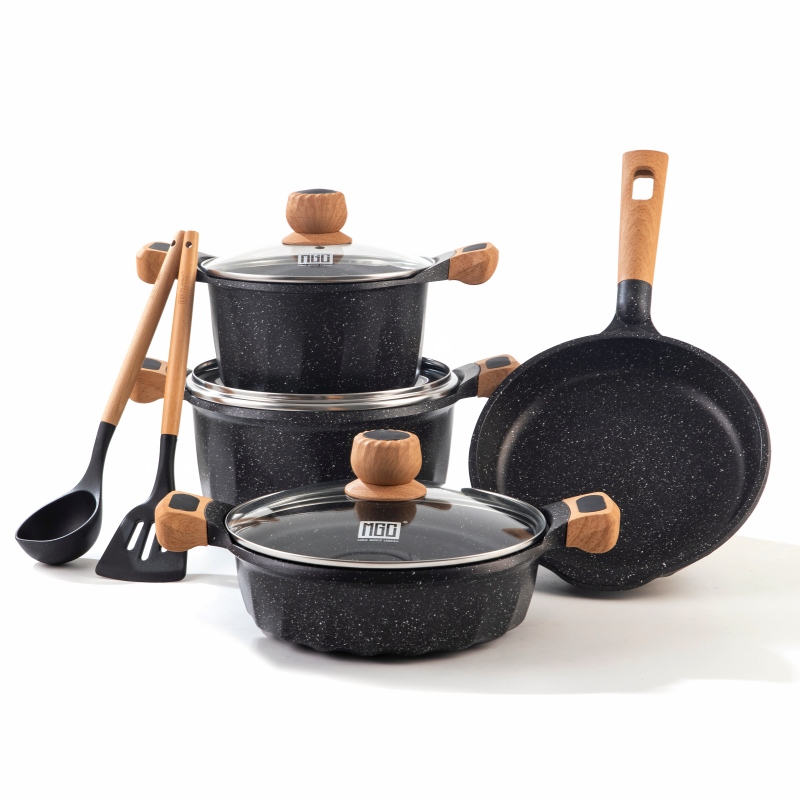
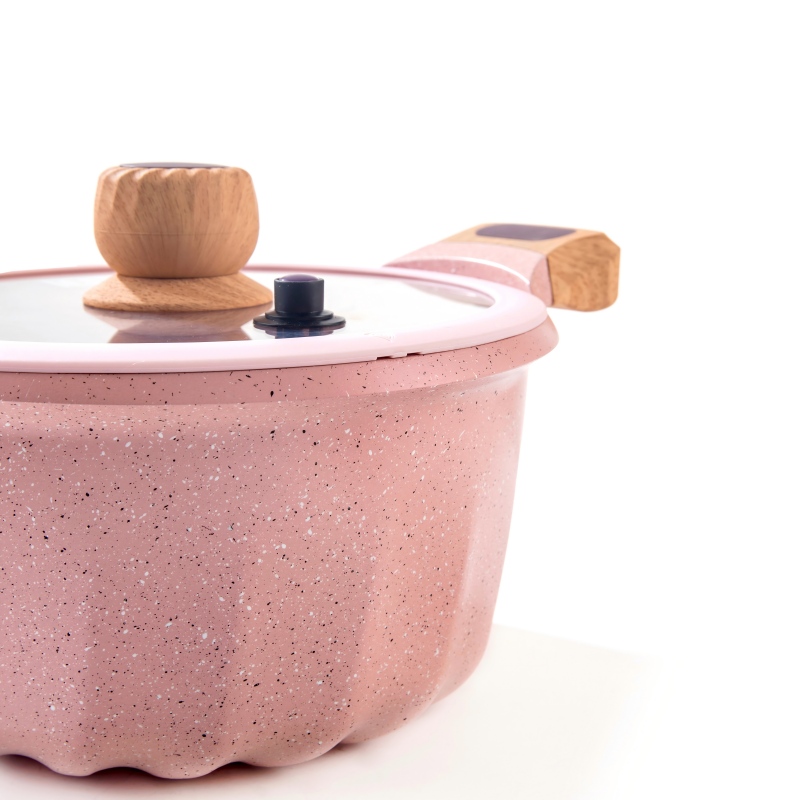
Choosing a suitable die cast cookware supplier helps importers, wholesalers, and retailers source products that match their quality expectations and market requirements. Die cast cookware can feature defined shapes, consistent dimensions, and versatile designs for everyday cooking. Aluminum models offer efficient heat conduction, while construction, coatings, and base design influence overall performance. Buyers should evaluate product specifications, sample quality, packaging, and applicable compliance documentation before purchasing. MGCCookware provides a starting point for businesses exploring cookware products for international markets. Clear communication about order quantities, customization requirements, inspection standards, and delivery schedules helps purchasing teams compare sourcing options and establish practical expectations for long term business cooperation.
Get A Quote

Case Study

Sourcing Cookware for Kitchenware Retailers

A kitchenware retailer needed a dependable sourcing option for expanding its everyday cookware collection. The purchasing team compared die cast frying pans and saucepans according to dimensions, construction, surface finishes, and handle designs. Product samples helped the team assess appearance and practical handling before selecting suitable models. For example, a retailer could offer smaller pans for individual portions and larger cookware for family meals. Packaging and care instructions also influenced product selection because they affected customer understanding and retail presentation. By documenting specifications and confirming inspection requirements before ordering, the business could organize procurement more effectively and develop a cookware assortment aligned with customer preferences.

Supporting Wholesale Cookware Distribution

A wholesale distributor wanted to broaden its product portfolio for independent retailers and online sellers. Its sourcing team evaluated die cast cookware based on product variety, material specifications, packaging, and order requirements. A coordinated selection of frying pans, saucepans, and casseroles could support different customer needs while simplifying assortment planning. The distributor reviewed samples and clarified minimum order quantities, production schedules, and shipping arrangements before making purchasing decisions. It also checked relevant documentation for its destination markets. This structured approach helped the business compare suppliers more consistently, assess commercial suitability, and prepare bulk orders around expected demand and available warehouse capacity.

Developing Private Label Cookware Products

A growing kitchenware brand wanted to introduce cookware under its own label while maintaining consistent product presentation. The purchasing team explored die cast cookware options and evaluated customization possibilities involving finishes, handles, logos, and packaging. For example, coordinated frying pans and deeper cooking vessels could create a recognizable collection for household customers. Before confirming production, the brand reviewed samples, approved specifications, and established quality inspection criteria. Tooling requirements and lead times also needed clarification where customized designs were involved. A supplier evaluation process built around documented requirements helped the business plan its product launch and reduce uncertainty during sourcing and production coordination.

Related products

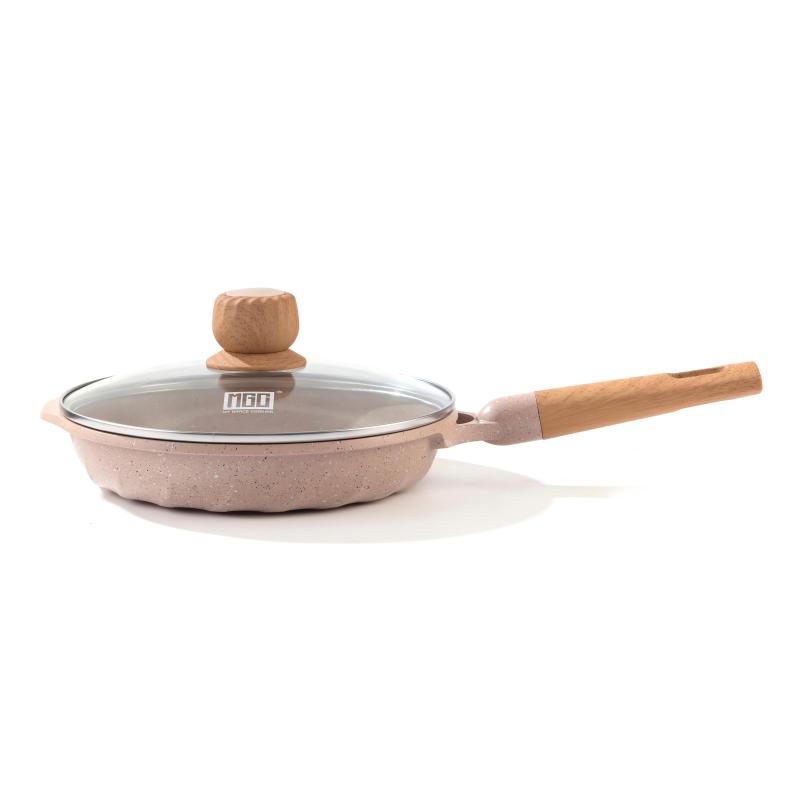
A die cast cookware supplier supports businesses seeking cookware products for retail, wholesale, and private label distribution. Die casting forms cookware bodies into defined shapes, while aluminum construction can provide efficient heat conduction for many everyday cooking applications. Product performance depends on material composition, wall thickness, base construction, and surface treatment. Buyers may explore frying pans, saucepans, casseroles, and coordinated cookware collections according to their market requirements. MGCCookware provides a starting point for businesses evaluating cookware options for international customers. For example, an importer may develop a collection with multiple pan sizes and complementary cooking vessels to serve different household preferences. Before selecting a supplier, purchasing teams should review product samples, technical specifications, coating details, handle construction, and stovetop compatibility. They should also confirm minimum order quantities, customization capabilities, packaging standards, production schedules, and inspection procedures. Importers must verify relevant food contact documentation and destination market regulations. Clear written specifications help both parties establish expectations before production. By assessing product quality and commercial requirements together, businesses can make more informed sourcing decisions and build cookware assortments that suit their distribution strategies.

Frequently Asked Questions

What should buyers look for in a die cast cookware supplier?

Buyers should evaluate product specifications, sample quality, material information, coating details, communication, and quality control procedures. Minimum order quantities, lead times, packaging, and customization options also matter. Relevant food contact documentation should be reviewed to ensure products meet the requirements of their intended markets.
Depending on the supplier's product range, buyers may find frying pans, saucepans, casseroles, and other cookware formats. Available options can differ in dimensions, finishes, coatings, and handle designs. Reviewing catalogs and samples helps buyers identify products suited to their target customers and sales channels.
Some suppliers support private label projects involving logos, packaging, and selected product design features. Availability depends on manufacturing capabilities, order quantities, and customization requirements. Buyers should confirm costs, artwork specifications, tooling needs, and sample approval procedures before committing to production.
Buyers can request samples, compare them with written specifications, and review documented inspection procedures. Relevant checks include dimensions, surface finish, coating consistency, handle attachment, and packaging. Agreeing on acceptance criteria before production helps purchasing teams evaluate product consistency and identify potential issues before shipment.
Buyers should provide cookware types, required dimensions, materials, coating preferences, order quantities, branding requirements, and destination markets. Packaging and delivery expectations should also be included. Sharing drawings or reference samples where available helps suppliers assess feasibility and prepare more relevant quotations.

Related article

New Market Promotion

25

Aug

New Market Promotion

Struggling to demonstrate product value? Face-to-face customer engagement drives 3.2x higher conversion in B2B markets. Discover proven field promotion tactics now.
View More
How to Choose the Right Cookware Set Material for Better Cooking Results?

14

Sep

How to Choose the Right Cookware Set Material for Better Cooking Results?

Discover how to choose the right cookware set material — aluminum, stainless steel, or non-stick — to match your cooking style and improve results.
View More
How to Choose the Best Cookware for Different Cooking Methods?

18

Sep

How to Choose the Best Cookware for Different Cooking Methods?

Discover how to match cookware to your cooking methods. A practical guide covering materials, heat needs, and kitchen tools for every cooking style.
View More
How to Extend the Lifespan of Your Cookware Through Proper Use?

18

Sep

How to Extend the Lifespan of Your Cookware Through Proper Use?

Learn how to extend the lifespan of your cookware through proper use, smart cooking habits, cleaning methods, and everyday kitchen care tips.
View More

Customer Testimonials

Daniel Miller

Reliable product specifications and sample evaluations help our team source die cast cookware more confidently. Clear communication supports consistent purchasing decisions and smoother coordination for retail orders.

Emily Carter

We value cookware suppliers that communicate product details clearly and support organized sourcing. Reviewing dimensions, finishes, and packaging helps us prepare suitable assortments for our customers.

Get a Free Quote

Our representative will contact you soon.
Email
Mobile/WhatsApp
Name
Company Name
Message
0/1000
Product Evaluation for Confident Sourcing

Product Evaluation for Confident Sourcing

Selecting a die cast cookware supplier requires careful evaluation of product construction, specifications, and intended applications. Buyers should compare material composition, wall thickness, surface finishes, handle designs, and compatibility with the target cooking appliances. For example, a retailer sourcing frying pans for household customers may prioritize practical dimensions, convenient handling, and clear maintenance instructions. A distributor serving several markets may need multiple sizes and coordinated designs. Reviewing physical samples against written requirements helps purchasing teams identify differences before placing larger orders. Establishing inspection criteria and confirming relevant documentation also supports a more structured sourcing process. These steps help businesses select cookware according to their commercial objectives and customer expectations.
Quality Control for International Cookware Supply

Quality Control for International Cookware Supply

International cookware sourcing involves product quality, packaging, documentation, and destination market requirements. Buyers should confirm material specifications, coating information, handle construction, product dimensions, and applicable food contact standards before approving orders. For example, an importer distributing cookware through physical stores and online channels may need consistent product labeling and protective packaging across the assortment. Written inspection criteria can help purchasing teams assess samples and finished goods against agreed requirements. Buyers should also clarify shipping arrangements, lead times, and procedures for handling quality issues. Evaluating these factors together supports informed supplier comparisons and helps businesses prepare cookware products for their intended markets while maintaining clearer procurement expectations.