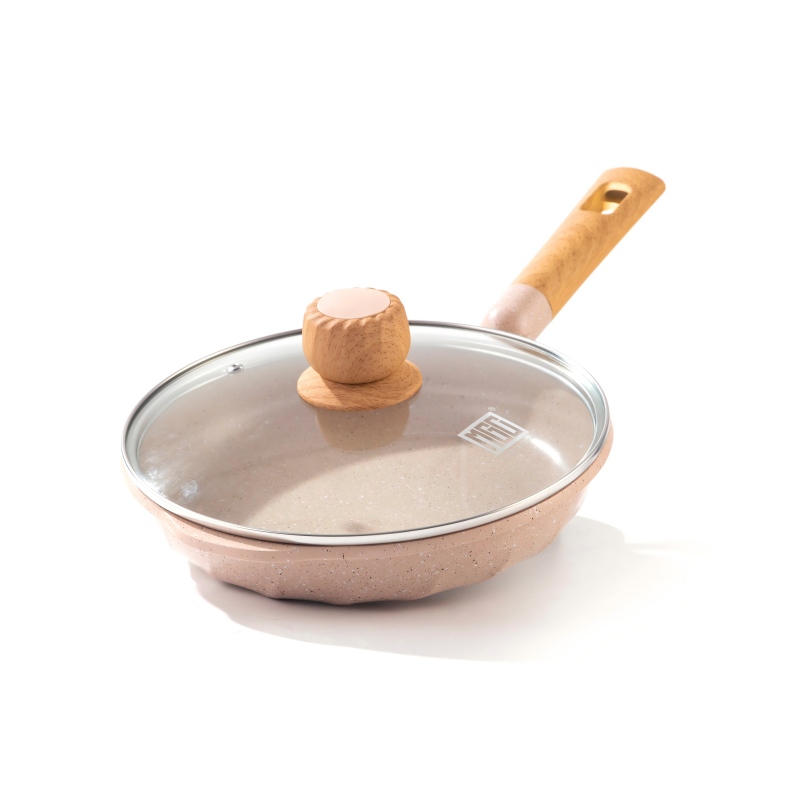
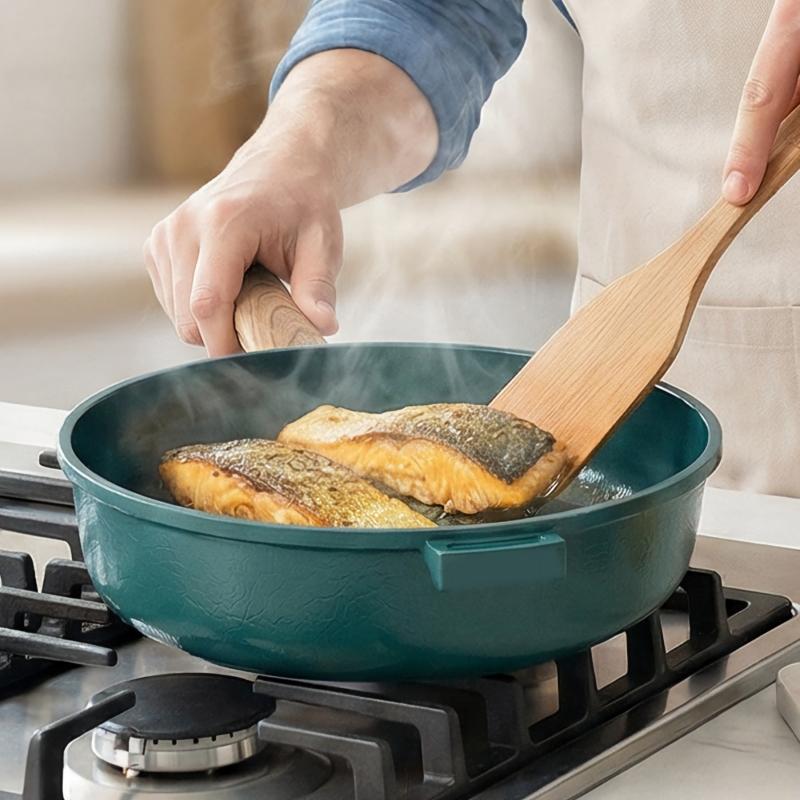
Cast Aluminum Bakeware: Lightweight, Heat-Even & Decorative

Get up to 35% off + Free shipping Shop now

Call Us:+86-579-86903988

Reviews Title 1: Lightweight and Practical Bakeware

Reviews Title 1: Lightweight and Practical Bakeware

Cast aluminum bakeware is valued for its relatively lightweight construction, durable structure, and ability to distribute heat effectively when properly designed. The casting process allows manufacturers to create pans with different shapes, depths, and decorative details, making this bakeware suitable for cakes, breads, pastries, and specialty desserts. Compared with some heavier alternatives, cast aluminum pans can be easier to handle during preparation and serving. Their performance depends on the pan's thickness, design, surface finish, and recommended baking conditions. For home bakers, bakeries, and food service businesses, selecting the right size and shape can improve workflow and support consistent presentation. Buyers should also check whether the product has a nonstick or other surface treatment and follow its specific cleaning and temperature instructions.
Get A Quote

Case Study

Home Baking and Family Desserts

Home bakers can use cast aluminum bakeware to prepare pound cakes, bundt cakes, quick breads, and other family desserts. Its cast construction allows manufacturers to create detailed shapes that give finished cakes an attractive appearance without requiring complicated decoration. Aluminum also conducts heat efficiently, although actual baking results depend on pan design, recipe ingredients, oven performance, and batter depth. Before use, bakers should check whether the pan requires greasing or flouring and follow the manufacturer's temperature recommendations. After baking, allowing the pan to cool appropriately can make handling safer and help protect any surface finish. Choosing a pan that matches the recipe helps support more predictable baking results.

Bakeries and Small Batch Production

Bakeries and small food businesses may choose cast aluminum bakeware for specialty cakes, seasonal desserts, and repeat small batch production. Its molded shapes can help create a consistent product appearance when the same recipe and filling quantities are used. The relatively manageable weight can also be helpful when staff move pans between preparation areas and ovens. For frequent commercial use, buyers should evaluate construction quality, pan dimensions, surface treatment, and compatibility with existing baking equipment. Testing a sample pan can reveal how it performs with the bakery's most common recipes. Establishing suitable cleaning, storage, and inspection practices helps teams maintain the bakeware and recognize when a pan's surface or structure needs attention.

Catering and Event Dessert Preparation

Catering companies often need desserts that look attractive while remaining practical to prepare in advance. Cast aluminum bakeware can support the production of decorative cakes, loaf cakes, and other baked items for celebrations, corporate events, and buffet service. Depending on the design, detailed pan shapes can add visual interest to the finished dessert and reduce the need for elaborate finishing techniques. Catering teams should consider the number of portions required, the pan's capacity, storage arrangements, and transport procedures before choosing a product. Since cast aluminum pans can vary in weight and construction, checking product specifications is important. Proper cooling and careful unmolding also help preserve the finished shape during service preparation.

Related products

Cast aluminum bakeware provides a versatile option for preparing cakes, breads, pastries, and specialty desserts. The casting process allows manufacturers to produce pans with different depths, decorative patterns, and complex shapes. Aluminum's thermal conductivity can support efficient heat transfer, while the cast structure provides a solid form for handling a variety of recipes. Actual baking performance depends on the pan's thickness, dimensions, surface treatment, oven conditions, and the ingredients being used. When selecting cast aluminum bakeware, buyers should consider the intended recipes, pan capacity, surface finish, maintenance requirements, and recommended temperature range. Some products include a nonstick coating, while others have a different finish, so care instructions may vary. Businesses should also evaluate whether the pans fit existing ovens, racks, and storage systems. For frequent production, sample testing can help confirm suitability before a larger purchase. MGCCookware offers cookware and bakeware solutions for customers comparing practical kitchen products. Buyers exploring cast aluminum bakeware can review available product specifications and choose designs that align with their baking needs, equipment, and expected usage frequency.

Frequently Asked Questions

What is cast aluminum bakeware?

Cast aluminum bakeware is made by shaping aluminum through a casting process to create baking pans with specific dimensions and designs. It is commonly used for cakes, breads, and decorative desserts. Product weight, surface finish, durability, and baking performance vary according to the construction and manufacturing specifications.
Aluminum conducts heat efficiently, which can support consistent baking when the pan is properly designed and used with a suitable recipe and oven. However, evenness also depends on pan thickness, shape, batter depth, and oven conditions. Following recipe guidance and checking doneness remain important for reliable results.
Cast aluminum bakeware may suit bakeries, catering businesses, and other commercial kitchens that prepare cakes or specialty desserts. Buyers should assess construction quality, production volume, surface treatment, cleaning requirements, and compatibility with existing equipment. Testing samples under normal operating conditions can help confirm whether a product meets business needs.
Allow the pan to cool before cleaning, then follow the manufacturer's care instructions. Many products can be washed with warm water and mild detergent, using a nonabrasive sponge when appropriate. Avoid assuming every pan is dishwasher safe, especially if it has a special surface treatment. Dry it thoroughly before storage.
Buyers should compare pan dimensions, capacity, weight, surface finish, construction quality, temperature limits, and cleaning requirements. The intended recipe and expected frequency of use also matter. Commercial purchasers may benefit from testing samples and confirming that the selected pans fit their ovens, racks, and production workflow.

Related article

New National Agency Established

28

Jul

New National Agency Established

Just launched: exclusive national agency in Kazakhstan with Almaty wholesale center. Streamline distribution, cut logistics costs, and scale market access. Request partnership details now.
View More
New Product Development

25

Aug

New Product Development

Struggling to sustain market relevance? Our proven 5-step new product development framework helps B2B teams launch winning solutions faster. Get the playbook now.
View More
New Market Promotion

25

Aug

New Market Promotion

Struggling to demonstrate product value? Face-to-face customer engagement drives 3.2x higher conversion in B2B markets. Discover proven field promotion tactics now.
View More
Proper Cleaning Methods to Extend the Life of a Durable Non Stick Pan.

18

Sep

Proper Cleaning Methods to Extend the Life of a Durable Non Stick Pan.

Learn proper cleaning methods to extend your durable non stick pan's life. Right kitchen habits protect the coating and keep food releasing cleanly.
View More

Customer Testimonials

Emily Carter

Cast aluminum bakeware offers a useful balance of manageable weight and sturdy construction. It works well for preparing cakes, breads, and other baked recipes with convenient handling.

Daniel Brooks

We value bakeware that combines practical design with easy maintenance. Cast aluminum pans are worth considering for everyday baking and a variety of kitchen applications.

Get a Free Quote

Our representative will contact you soon.
Email
Mobile/WhatsApp
Name
Company Name
Message
0/1000
Efficient Heat Transfer for Baking

Efficient Heat Transfer for Baking

Aluminum is known for conducting heat efficiently, making cast aluminum bakeware a practical option for a wide range of baked recipes. When the pan is appropriately designed and used under suitable oven conditions, heat transfer can support consistent baking performance. The final result still depends on factors such as pan thickness, batter depth, recipe composition, and oven temperature accuracy. Bakers should follow recipe instructions and check doneness rather than relying on pan material alone. For households and commercial kitchens, understanding these factors helps users select bakeware that matches their recipes and achieve more predictable results across everyday baking tasks.
Decorative Shapes for Attractive Desserts

Decorative Shapes for Attractive Desserts

The casting process allows manufacturers to create bakeware with distinctive shapes, detailed patterns, and varied depths. This makes cast aluminum bakeware useful for bundt cakes, specialty desserts, loaf cakes, and other recipes where appearance contributes to the finished presentation. Decorative pans can create visual detail directly in the baked product, potentially reducing the need for additional decoration. Buyers should consider how easily the chosen shape releases the finished cake and whether the design suits their preferred recipes. Following recommended greasing, cooling, and unmolding procedures can help preserve intricate details. Selecting the right pan shape supports attractive results for family gatherings, bakery displays, and catered events.
Practical Handling and Maintenance

Practical Handling and Maintenance

Cast aluminum bakeware combines a defined pan structure with a weight that may be easier to manage than some heavier baking alternatives. This can be useful when transferring pans between preparation areas, ovens, and cooling racks. Product weight and handling characteristics vary according to dimensions and construction, so buyers should check specifications before ordering. Maintenance also depends on the surface finish: coated products may require gentler utensils and cleaning methods than uncoated versions. Following the manufacturer's instructions for temperature limits, washing, and storage helps protect the pan and its finish. For frequent users, regular inspection can help identify wear and support timely replacement when necessary.