Oven-Safe Saucepans: What Materials & Handles Work?

Get up to 35% off + Free shipping Shop now

Call Us:+86-579-86903988

Reviews Title 1: Understanding Oven Safe Saucepans

Reviews Title 1: Understanding Oven Safe Saucepans

Whether you can put a saucepan in the oven depends on its materials, handles, lid, and manufacturer specifications. Stainless steel saucepans with all metal construction may be suitable for oven use within a stated temperature range, while pans with plastic handles, rubber components, or certain coatings may have lower temperature limits. Glass lids and other removable components can also have separate restrictions. For example, a saucepan used to prepare sauce on the stovetop might be suitable for finishing a dish in the oven only if every component is approved for that temperature. Checking product documentation before heating helps prevent damage, protects cookware performance, and supports safer kitchen practices.
Get A Quote

Case Study

Finishing Sauces and Stovetop Dishes

Some recipes begin on the stovetop and finish in the oven, making oven compatibility an important consideration when selecting a saucepan. A suitable all metal saucepan may allow a cook to transfer a dish directly into the oven, reducing the need to move food into another vessel. However, compatibility depends on the entire construction, including handles, coatings, and lids. Before transferring the pan, check the manufacturer's temperature limits and confirm whether the lid can also withstand oven heat. If any component is unsuitable, use an oven safe baking dish instead. Following these instructions helps preserve the cookware and supports a more organized cooking process.

Preparing Oven Finished Meals

Home cooks may use saucepans to prepare sauces, grains, or other dishes that require additional cooking after stovetop preparation. When a recipe calls for oven finishing, the saucepan must be specifically rated for that use. Metal construction alone does not guarantee that every pan is oven safe, particularly when it includes nonmetal handles or special surface coatings. For example, a pan with a heat resistant handle may still have a maximum temperature that should not be exceeded. Reviewing the manufacturer's instructions helps cooks select appropriate equipment and avoid damage. When compatibility is uncertain, transferring the food to a suitable oven safe dish is the safer alternative.

Commercial Kitchen Cookware Selection

Restaurants, catering businesses, and food service operators should confirm oven compatibility when purchasing saucepans for kitchens that use both stovetops and ovens. Buyers need to assess material composition, handle construction, coating specifications, lid design, and maximum operating temperature. A saucepan intended only for stovetop cooking may not tolerate the heat of an oven, even if its body is made from metal. Requesting technical documentation and testing products according to manufacturer guidance can help businesses establish suitable cooking procedures. Clear equipment specifications also help staff identify the correct cookware for each recipe and reduce the risk of damaged pans or interrupted food preparation.

Related products

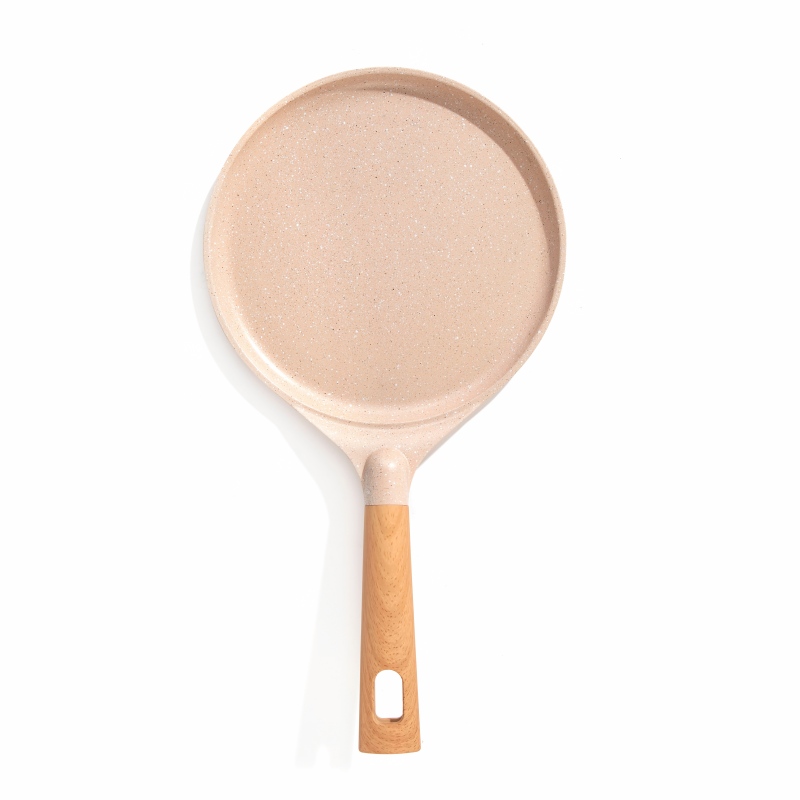
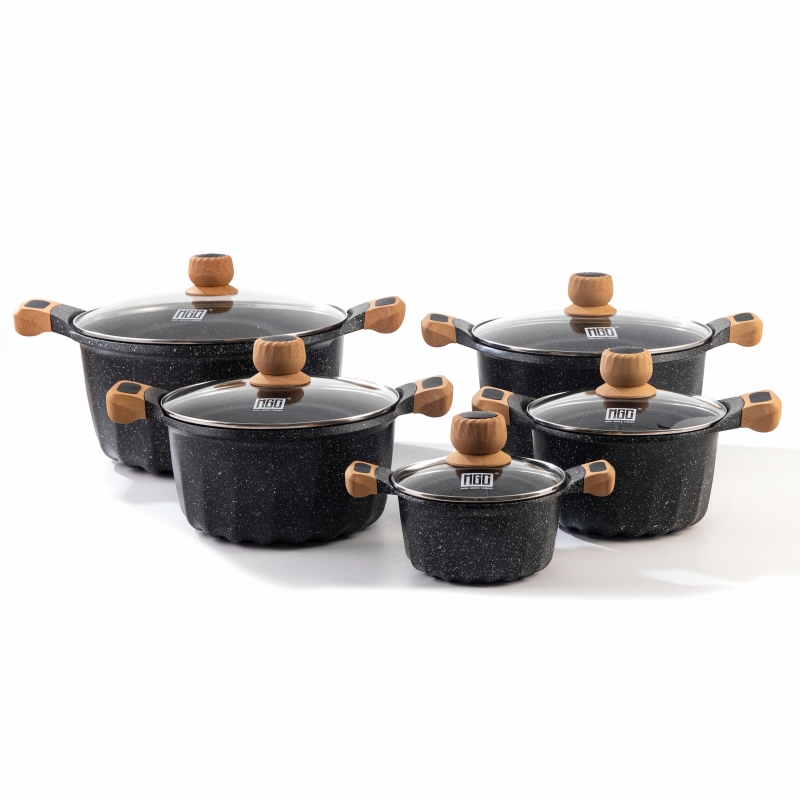
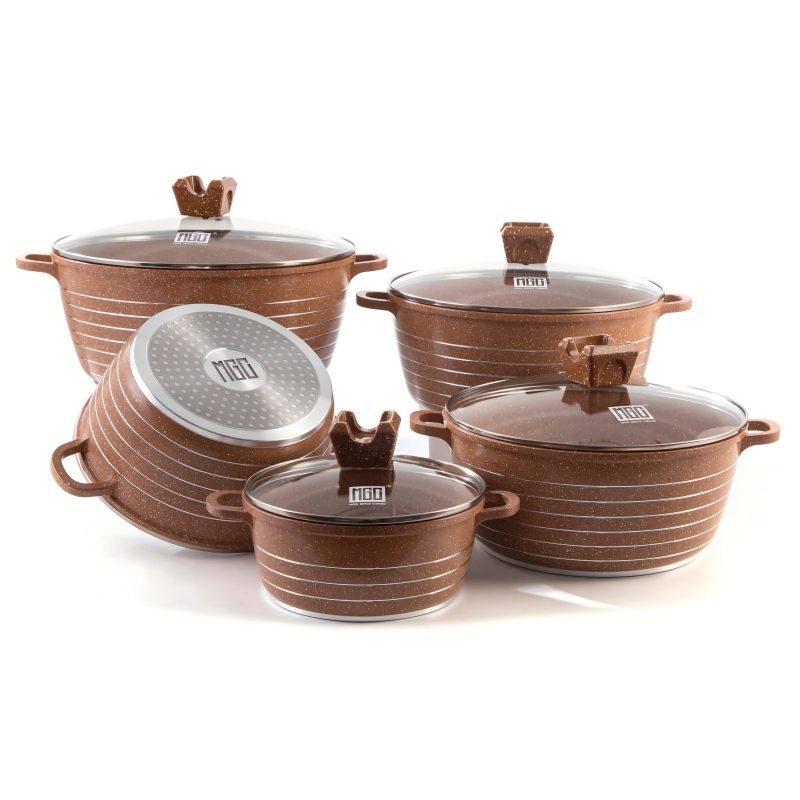
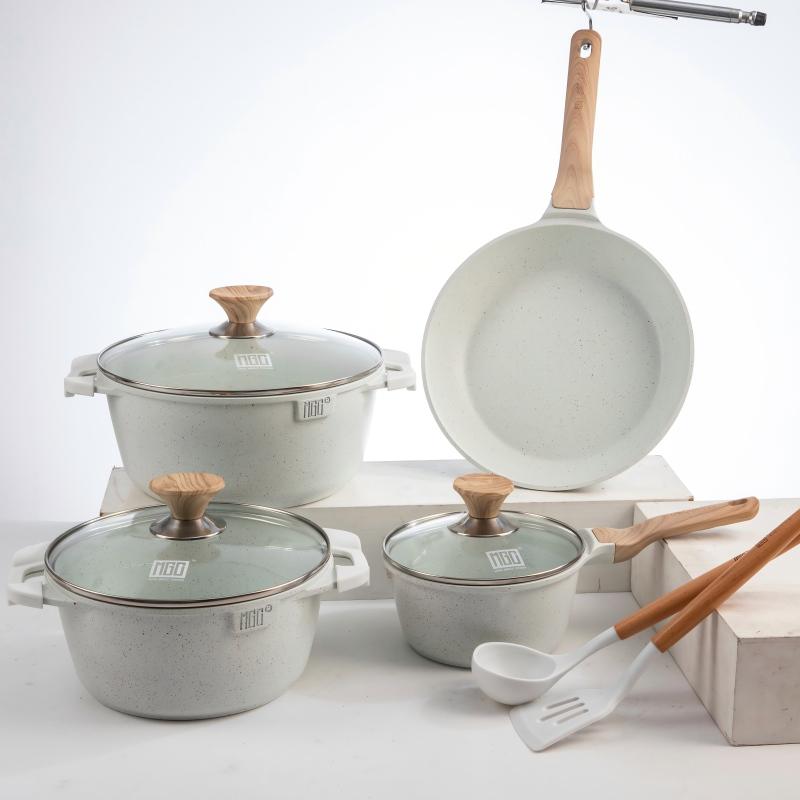
Saucepans are commonly used to prepare sauces, soups, grains, custards, and other foods that require controlled heating. Some models may also be suitable for oven use, allowing cooks to finish certain recipes without transferring food to another container. However, oven compatibility depends on the complete product design rather than the pan body alone. Stainless steel and other metal saucepans may tolerate oven temperatures when the manufacturer approves their construction, while plastic handles, rubber components, coatings, and lids may introduce additional restrictions. Before placing a saucepan in the oven, review the product manual for its maximum temperature and confirm that every component can withstand the intended conditions. Do not assume a glass lid or removable handle is oven safe simply because the saucepan itself is approved. If the specifications are unclear, use a dedicated oven safe dish instead. MGCCookware offers cookware and bakeware solutions for customers comparing practical kitchen products. Buyers evaluating saucepans should review material specifications, handle design, coating details, and care instructions to determine which product suits their cooking methods and equipment.

Frequently Asked Questions

Can stainless steel saucepans go in the oven?

Some stainless steel saucepans are oven safe, particularly models with suitable all metal construction. However, handles, lids, coatings, and other components may have separate temperature limits. Check the manufacturer's instructions for the exact model before using it in an oven.
Many saucepans with plastic handles are not designed for typical oven temperatures, although limits vary by material and product design. Plastic components may soften, deform, or become damaged when overheated. Always check the stated temperature rating and use an alternative oven safe dish if compatibility is uncertain.
Lid compatibility depends on its material, handle construction, and manufacturer specifications. Some metal lids may be oven safe within a stated range, while glass lids or lids with plastic knobs may have lower limits. Check the instructions for the lid separately rather than assuming it shares the pan's rating.
Some nonstick saucepans are oven safe, but the maximum temperature depends on the coating and the pan's other components. Exceeding the specified limit may damage the surface or handles. Follow the manufacturer's temperature and care instructions, and avoid using a pan whose oven rating is unknown.
Check the manufacturer's manual, product label, or official product specifications for oven compatibility and temperature limits. If you cannot confirm that the pan and all its components are suitable, do not place it in the oven. Transfer the food to a clearly labeled oven safe dish instead.

Related article

New Market Promotion

25

Aug

New Market Promotion

Struggling to demonstrate product value? Face-to-face customer engagement drives 3.2x higher conversion in B2B markets. Discover proven field promotion tactics now.
View More
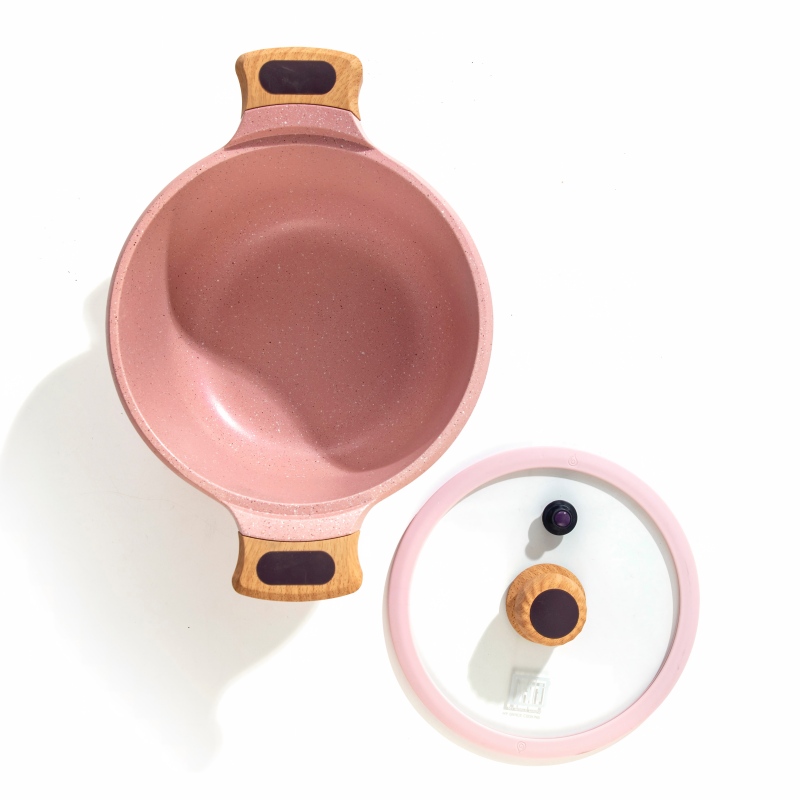
How to Know If Ceramic Cookware Is Safe and High Quality?

14

Sep

How to Know If Ceramic Cookware Is Safe and High Quality?

Wondering if ceramic cookware is it safe? Learn how to evaluate coating quality, material testing standards, and key quality signals before you buy.
View More
How to Choose the Right Pan Size for Different Cooking Needs?

14

Sep

How to Choose the Right Pan Size for Different Cooking Needs?

Find the right pan size for your kitchen. Covers key criteria — from cooking portions to frying techniques — to help you choose smarter.
View More
How to Extend the Lifespan of Your Cookware Through Proper Use?

18

Sep

How to Extend the Lifespan of Your Cookware Through Proper Use?

Learn how to extend the lifespan of your cookware through proper use, smart cooking habits, cleaning methods, and everyday kitchen care tips.
View More

Customer Testimonials

Emily Carter

Checking saucepan materials and handle specifications before oven use helps prevent damage. Clear temperature guidance makes it easier to choose cookware for stovetop cooking and oven finishing.

Daniel Brooks

Oven compatibility depends on the saucepan's construction, lid, and handles. Reviewing product instructions helps ensure the cookware suits the intended cooking method.

Get a Free Quote

Our representative will contact you soon.
Email
Mobile/WhatsApp
Name
Company Name
Message
0/1000
Check Every Component Before Oven Use

Check Every Component Before Oven Use

A saucepan's oven compatibility depends on its complete construction, including the body, handles, lid, and any removable parts. An all metal design may be suitable for certain oven temperatures, while plastic handles or other heat sensitive components can restrict use. Coated cookware may also have specific temperature limits. Buyers should check the product label and manufacturer's instructions before moving a saucepan from the stovetop into the oven. This simple step helps prevent damage and supports more appropriate cookware selection. For households and commercial kitchens, understanding component specific restrictions makes it easier to choose suitable equipment for recipes that combine stovetop and oven cooking.
Understand Temperature Limits and Coating Requirements

Understand Temperature Limits and Coating Requirements

Not every saucepan can withstand the same oven temperature. Materials, coatings, handles, and lids can all affect the maximum permitted heat exposure. For example, a pan may be suitable for low temperature oven finishing but unsuitable for a recipe requiring a much hotter oven. Buyers should never assume that a metal body or a nonstick surface guarantees high temperature resistance. Reviewing the manufacturer's specifications helps users understand the product's intended applications and care requirements. When oven compatibility cannot be confirmed, transferring food into an oven safe baking dish is a practical alternative. Following the stated temperature range helps protect cookware and maintain its condition.
Choose Cookware That Matches Your Cooking Workflow

Choose Cookware That Matches Your Cooking Workflow

For kitchens that frequently move recipes between stovetops and ovens, choosing cookware with clearly documented oven compatibility can simplify preparation. Home cooks may prioritize versatile materials, convenient handles, and easy cleaning, while restaurants and catering businesses may need consistent specifications across multiple pans. Buyers should compare pan dimensions, construction, coating details, lid design, and maximum temperature before purchasing. Product documentation can help staff understand which cookware is suitable for each cooking method and which components must remain outside the oven. MGCCookware provides cookware and bakeware solutions for different kitchen applications. Reviewing exact product specifications helps buyers select products that align with their intended use and equipment.