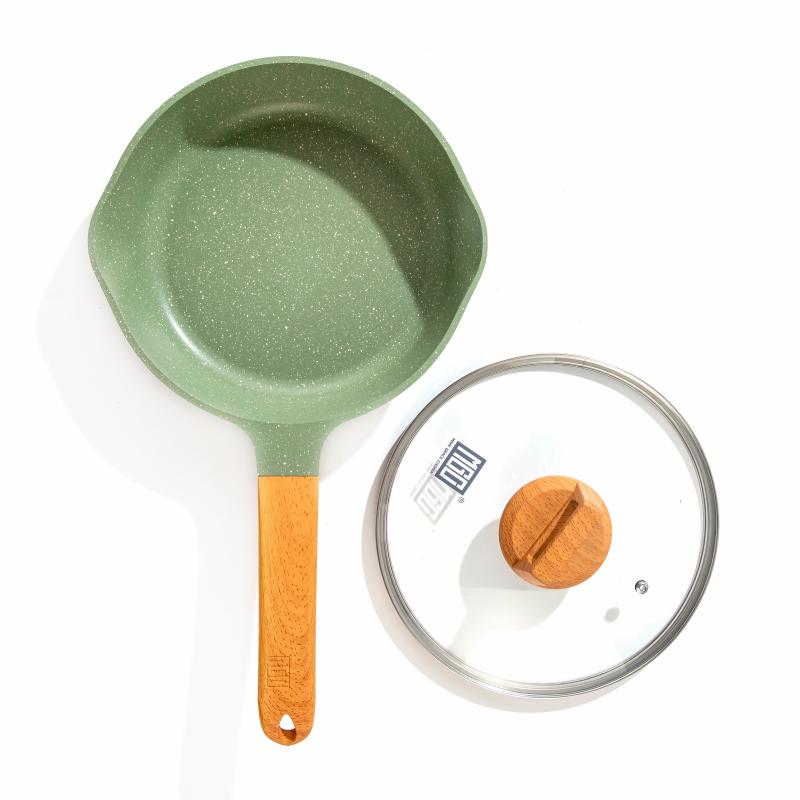
Buyer Insights on Aluminum Pan Cookware
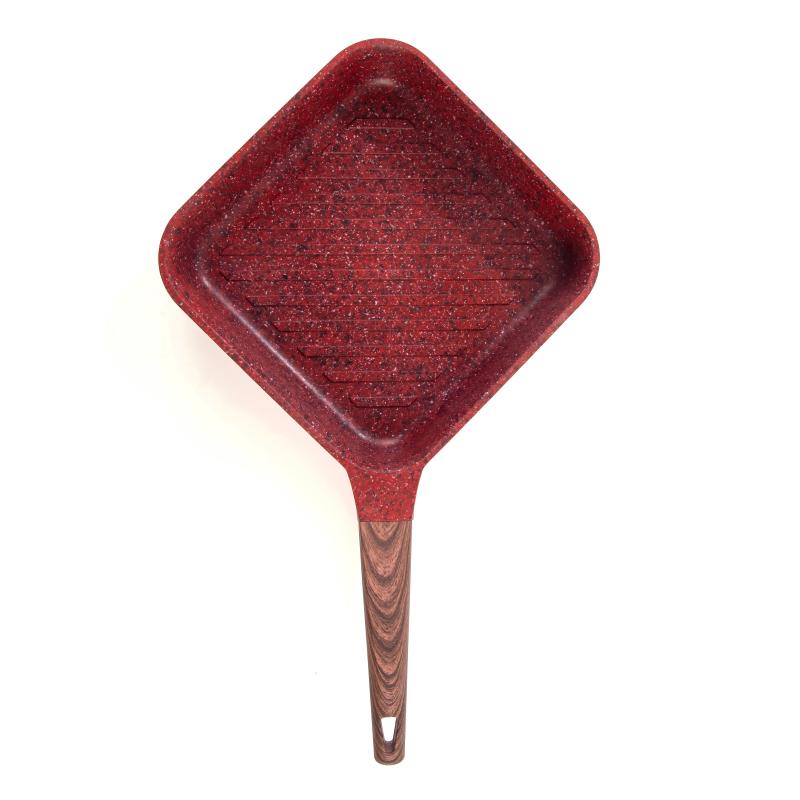
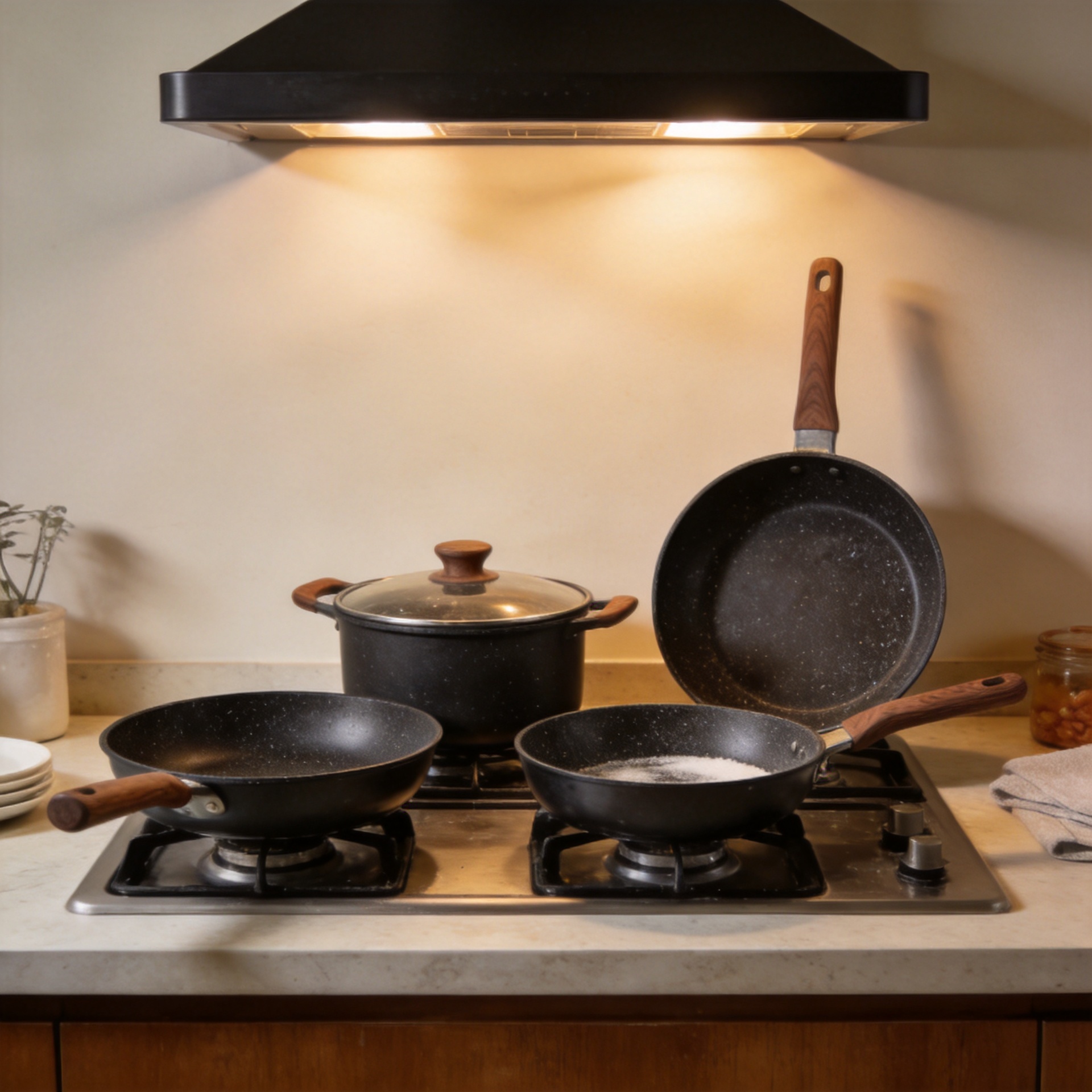
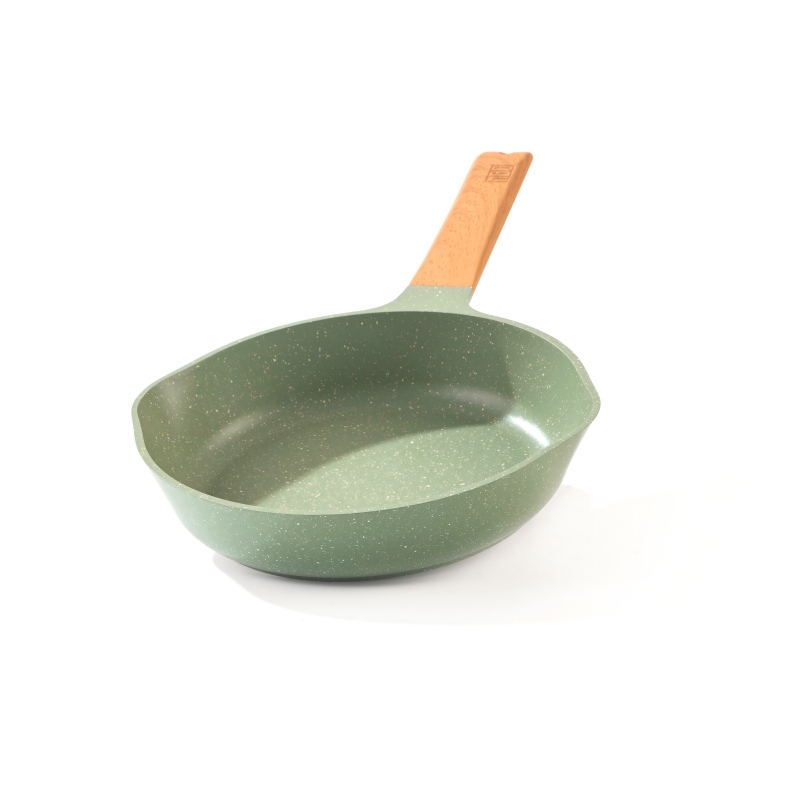
An aluminum pan is widely considered for cookware collections because aluminum is relatively lightweight and conducts heat efficiently. Depending on its construction and thickness, an aluminum pan can support responsive heating for everyday cooking, including sautéing vegetables, preparing eggs, and cooking quick meals. Different product designs may include nonstick coatings, polished finishes, or bases designed for specific cooking surfaces. For retailers, importers, and private label brands, these variations create opportunities to serve different customer needs and price ranges. Buyers should evaluate pan thickness, dimensions, surface finish, handle construction, and compatibility with gas, electric, or induction cooktops. Reviewing samples and confirming written specifications before ordering can help reduce misunderstandings. A structured evaluation also makes it easier to compare suppliers and select products that fit the intended market.
Get A Quote

 EN