Non-Stick Pan Coating Guide for B2B Buyers [2024]

Get up to 35% off + Free shipping Shop now

Call Us:+86-579-86903988

Nonstick Cookware Product Development Feedback

Nonstick Cookware Product Development Feedback

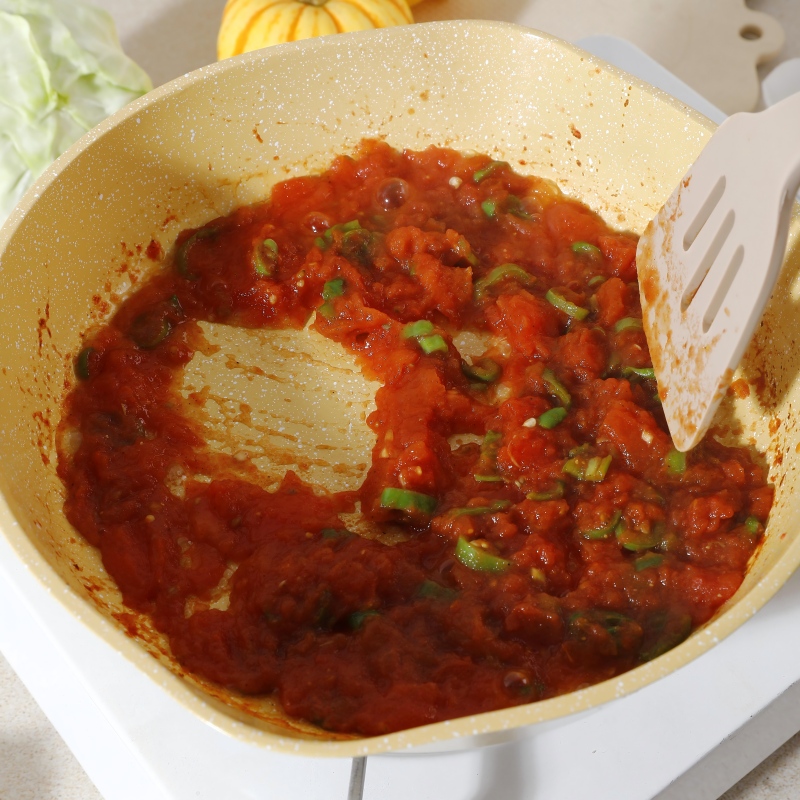
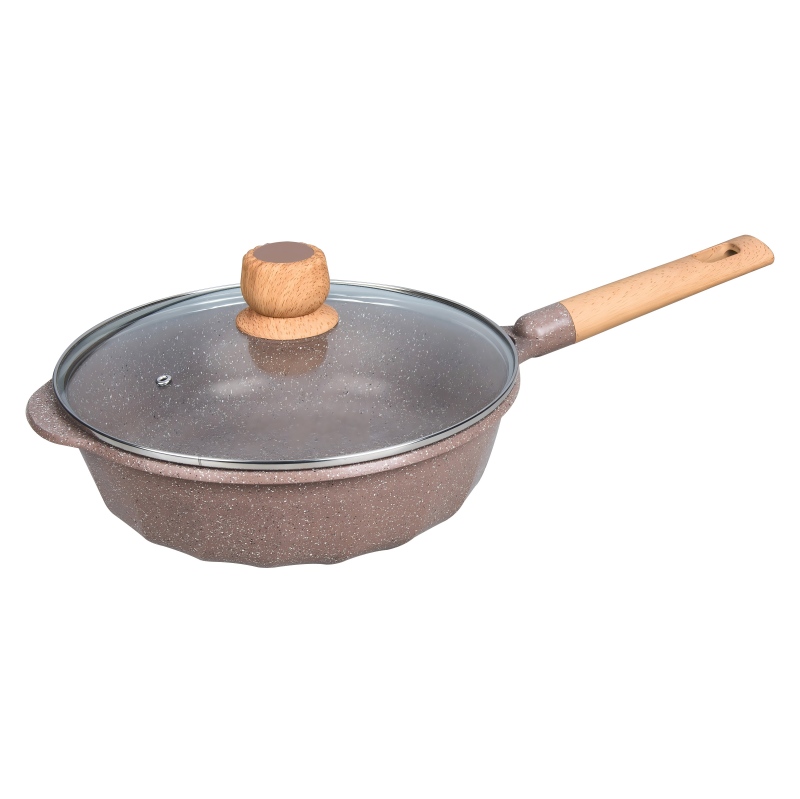
The coating of a nonstick pan influences food release, cleaning convenience, and overall product positioning. For cookware brands, wholesalers, and retailers, selecting the right coating requires consideration of cooking applications, customer preferences, and product specifications. PTFE-based coatings are widely used for their nonstick properties, while ceramic-based systems provide an alternative for selected cookware ranges. For example, a frying pan designed for eggs, pancakes, or sautéed vegetables may prioritize convenient cooking and straightforward maintenance. Buyers should also evaluate temperature recommendations, pan materials, surface finishes, and applicable food-contact requirements. Comparing these factors before ordering helps businesses develop suitable cookware collections for household kitchens, online retailers, and international distribution channels.
Get A Quote

Case Study

Everyday Home Cooking

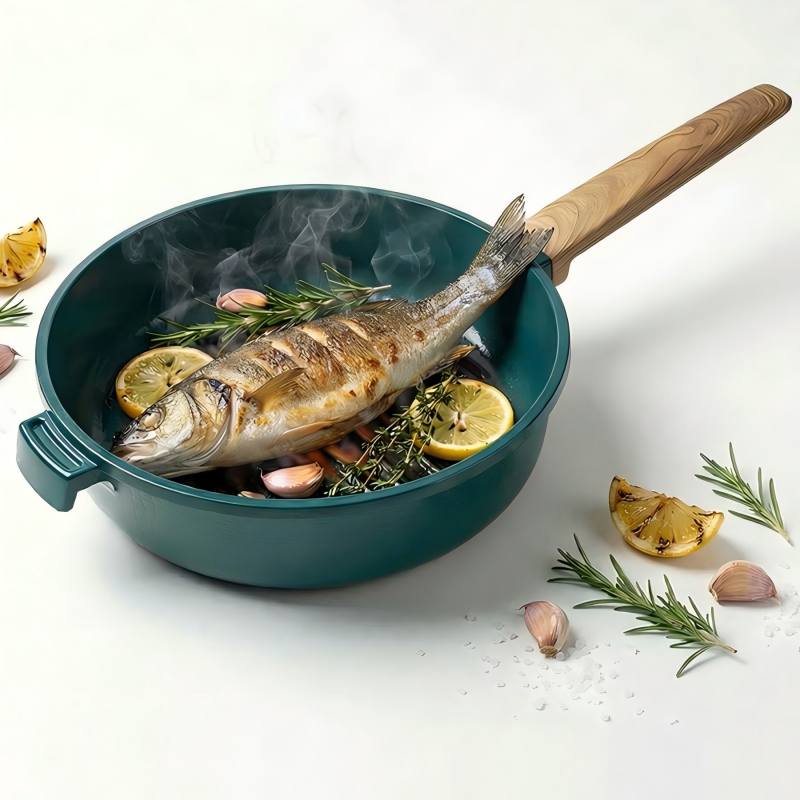
Home cooks prepare different meals throughout the day, from breakfast eggs to sautéed vegetables and delicate fish. A suitable nonstick coating can help reduce food sticking when the pan is used according to manufacturer instructions. For cookware brands, offering different pan sizes helps serve individuals, couples, and larger households. Product selection should consider coating type, pan construction, recommended cooking temperatures, and cleaning requirements. For example, a compact frying pan may suit quick breakfasts, while a larger model supports family meals. Clear care instructions help consumers select suitable utensils and avoid excessive heat, supporting appropriate maintenance during regular kitchen use.

Private Label Product Development

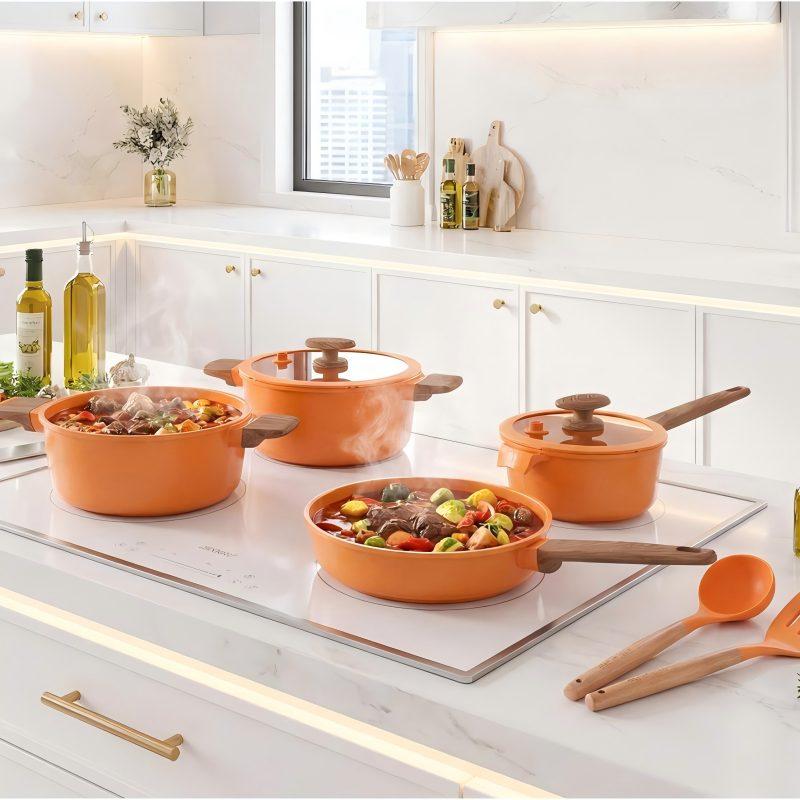
A retailer developing a private-label cookware range needs to align coating specifications with product design, pricing, and customer expectations. Buyers can compare PTFE-based and ceramic-based options alongside pan dimensions, handle materials, available colors, and packaging. For example, a coordinated collection may feature several pan sizes with consistent exterior finishes and branding. Requesting samples before production allows purchasing teams to assess appearance and workmanship against their requirements. Clear specifications also help suppliers and buyers agree on coating characteristics, quality checks, and product documentation. This structured process supports consistent product planning for kitchenware stores, online marketplaces, and wholesale distribution networks.

Wholesale Cookware Distribution

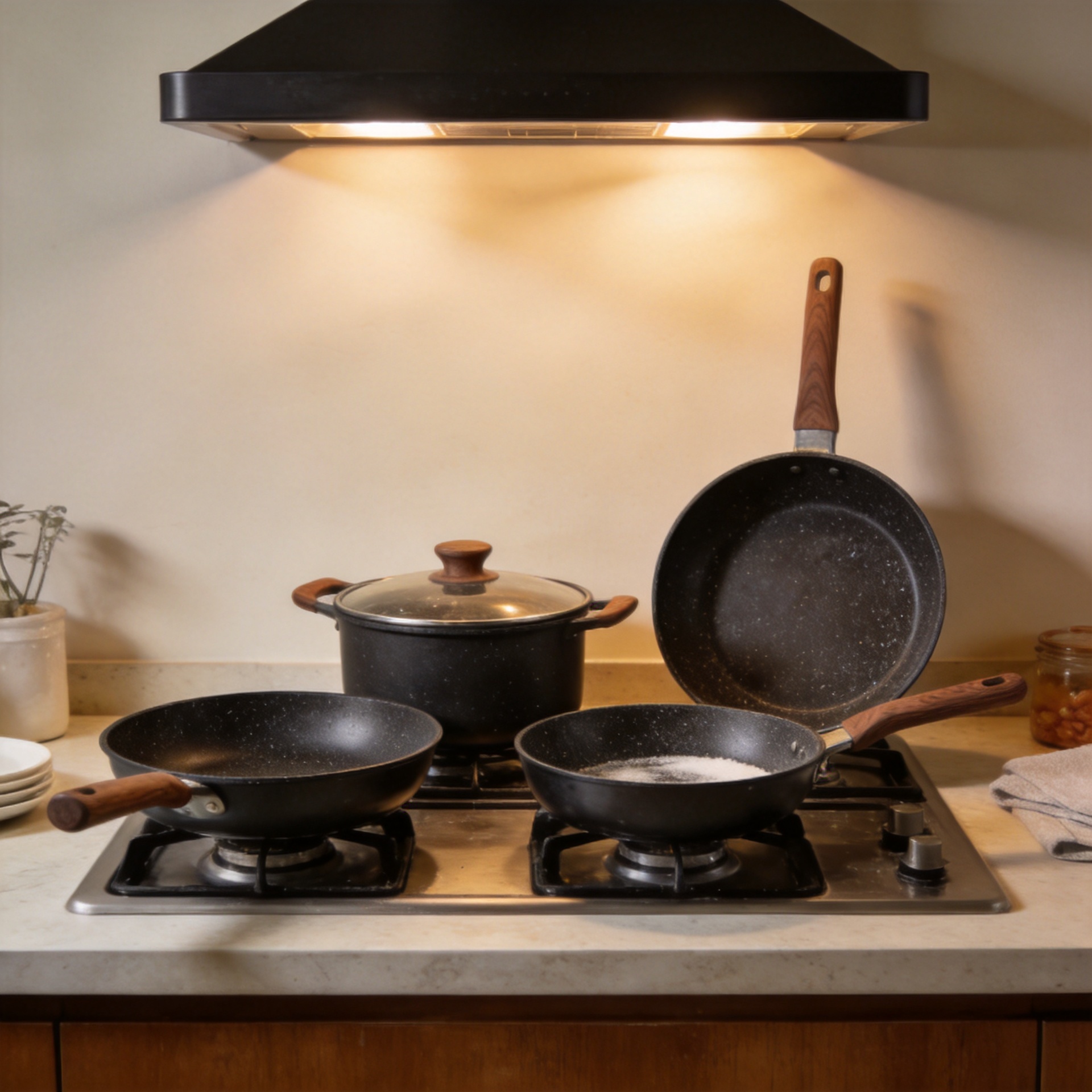
Cookware distributors often need products suited to different budgets, cooking habits, and retail channels. Smaller frying pans may appeal to single-person households, while larger models accommodate family cooking. Coating selection should be assessed alongside pan material, dimensions, handle design, care instructions, and relevant compliance documentation. For instance, a distributor can organize its catalog by pan size, coating type, and intended use, helping retailers compare models efficiently. Accurate specifications make product differences easier to communicate without unsupported claims about durability or performance. Confirming samples, packaging, and inspection requirements before ordering helps purchasing teams establish clear expectations and build a more organized cookware assortment.

Related products

The coating of a nonstick pan is an important specification for cookware manufacturers, distributors, and private-label brands. PTFE-based coatings are commonly selected for their nonstick characteristics, while ceramic-based systems provide another option for particular product designs. The appropriate choice depends on formulation, pan construction, recommended cooking conditions, and applicable food-contact requirements. Buyers should request technical documentation and confirm operating temperature guidance before approving a product. Other considerations include coating color, exterior finish, handle materials, pan dimensions, and packaging. For example, a retailer developing a coordinated kitchenware collection may require consistent finishes across multiple pan sizes, while a wholesaler may prioritize practical designs and clear maintenance instructions. Sample evaluation helps buyers review appearance and workmanship before production. Consumers should avoid overheating empty cookware, use suitable utensils, and follow the manufacturer's cleaning recommendations. Clearly documented specifications support better purchasing decisions and help align the finished cookware with market requirements.

Frequently Asked Questions

What coating is commonly used on nonstick pans?

PTFE-based coatings are widely used for their nonstick properties. Ceramic-based coatings are another option for certain cookware designs. The right selection depends on product specifications, intended cooking conditions, care requirements, and applicable regulations. Buyers should review technical documentation before choosing a coating for their product range.
Follow the manufacturer's care instructions, avoid overheating empty cookware, and use utensils suitable for the coating. Let the pan cool before cleaning and avoid abrasive scrubbers unless permitted. Proper storage and routine maintenance can help reduce scratches and unnecessary wear during everyday cooking.
Customization depends on the supplier's coating systems and manufacturing capabilities. Available options may include coating colors, exterior finishes, handle designs, and branding. Buyers should discuss minimum order quantities, sample approval, and production requirements early to confirm whether the requested specifications can be accommodated.
Yes. Ceramic-based and PTFE-based coatings differ in composition and characteristics. Performance, care instructions, and temperature recommendations depend on the specific formulation and cookware design. Buyers should compare documented specifications and intended applications instead of assuming that one coating type is always superior to the other.
Review coating specifications, pan materials, dimensions, sample quality, care instructions, and applicable compliance documentation. Confirm customization options, minimum order quantities, packaging, lead times, and inspection procedures. Defining these requirements before production helps align supplier expectations with purchasing needs and intended market positioning.

Related article

New National Agency Established

28

Jul

New National Agency Established

Just launched: exclusive national agency in Kazakhstan with Almaty wholesale center. Streamline distribution, cut logistics costs, and scale market access. Request partnership details now.
View More
New Product Development

25

Aug

New Product Development

Struggling to sustain market relevance? Our proven 5-step new product development framework helps B2B teams launch winning solutions faster. Get the playbook now.
View More
New Market Promotion

25

Aug

New Market Promotion

Struggling to demonstrate product value? Face-to-face customer engagement drives 3.2x higher conversion in B2B markets. Discover proven field promotion tactics now.
View More
How to Extend the Lifespan of Your Cookware Through Proper Use?

18

Sep

How to Extend the Lifespan of Your Cookware Through Proper Use?

Learn how to extend the lifespan of your cookware through proper use, smart cooking habits, cleaning methods, and everyday kitchen care tips.
View More

Customer Testimonials

James Wilson

“Comparing coating specifications and sample finishes helped us plan a frying pan collection for everyday kitchens. Clear product details made our purchasing requirements easier to define.”

Olivia Bennett

“We evaluated coating types, pan designs, and maintenance requirements before developing our new cookware range. This approach helped align product specifications with our target retail market.”

Get a Free Quote

Our representative will contact you soon.
Email
Mobile/WhatsApp
Name
Company Name
Message
0/1000
Coating Choices for Different Cooking Needs

Coating Choices for Different Cooking Needs

Different cooking applications call for carefully selected cookware specifications. PTFE-based and ceramic-based coatings offer distinct options for product developers, depending on formulation and intended use. Buyers planning frying pans for home kitchens should consider food release, recommended temperatures, cleaning methods, and pan construction. For example, an everyday cookware range may emphasize practical sizes and straightforward care, while a premium collection may prioritize coordinated finishes and design details. Evaluating these factors together helps brands match product characteristics to customer expectations. Clear technical information also supports accurate online listings, wholesale catalogs, and purchasing decisions across different retail channels.
Private Label Customization and Quality Planning

Private Label Customization and Quality Planning

Private-label cookware development begins with clear design requirements and documented product specifications. Depending on manufacturing capabilities, customization may include coating colors, pan dimensions, handle styles, exterior finishes, logos, and packaging. A retailer launching a coordinated collection may need several pan sizes with a consistent visual identity. Buyers should confirm available options, sample approval procedures, minimum order quantities, and production schedules before ordering. Documenting these details helps purchasing teams compare proposals and communicate expectations with suppliers. A well-planned specification can support a cohesive product assortment for kitchenware stores, e-commerce businesses, and wholesale distribution while reducing avoidable misunderstandings during product development.
Clear Product Information and Responsible Care

Clear Product Information and Responsible Care

Accurate product information benefits cookware buyers, retailers, and end users. Product documentation should explain the coating system, pan materials, recommended cooking conditions, cleaning instructions, and relevant compliance information. For example, a distributor listing five pan sizes can use consistent descriptions to explain differences in dimensions, design, and maintenance. Consumers also benefit from guidance on suitable utensils, temperature limits, and storage. Rather than promising an unsupported coating lifespan, brands should communicate documented product characteristics and manufacturer recommendations. Clear information helps customers compare cookware more confidently, supports responsible use, and gives retailers practical details for product pages, packaging, and customer service.