Nonstick Pan Coating Guide for B2B Buyers [PTFE vs Ceramic]

Get up to 35% off + Free shipping Shop now

Call Us:+86-579-86903988

Customer Feedback on Nonstick Cookware Solutions

Customer Feedback on Nonstick Cookware Solutions

The coating on a nonstick pan influences cooking convenience, cleaning requirements, and product positioning. For cookware brands, wholesalers, and retailers, selecting a suitable coating begins with understanding customer expectations and intended applications. PTFE-based coatings are widely used for their nonstick properties, while ceramic-based systems provide an alternative for selected product ranges. For example, pans designed for eggs, pancakes, and sautéed vegetables may prioritize easy food release and straightforward maintenance. Buyers should also evaluate temperature recommendations, pan materials, coating colors, and applicable food-contact requirements. By comparing these factors before ordering, businesses can develop cookware collections suited to household kitchens, online stores, and retail distribution while establishing clear product specifications.
Get A Quote

Case Study

Everyday Cooking Convenience

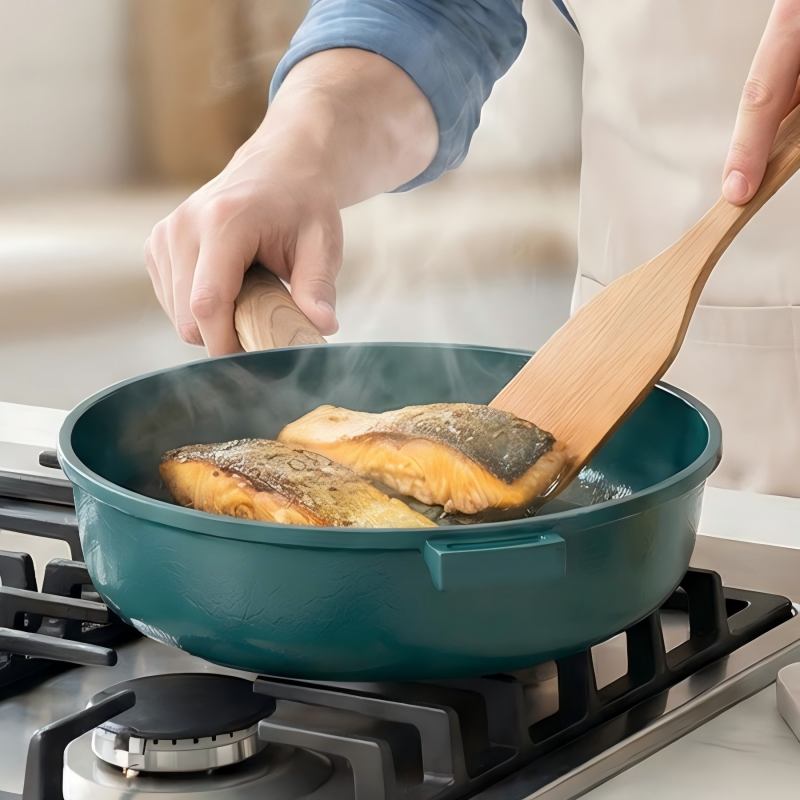
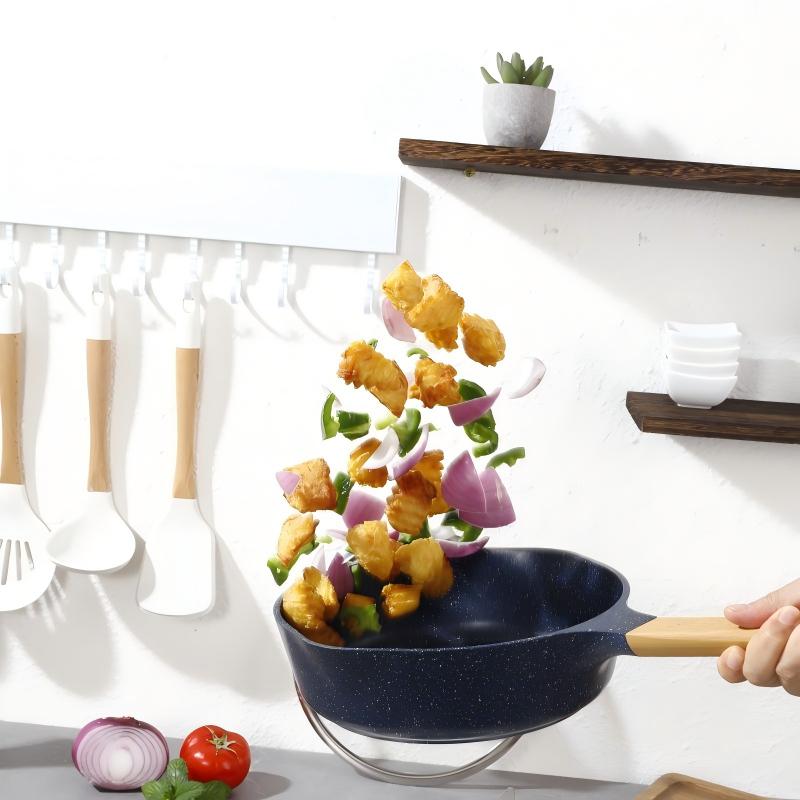
A household preparing breakfast, lunch, and dinner benefits from cookware designed for convenient food preparation. A suitable nonstick coating can help reduce food sticking when the pan is used correctly. For instance, preparing two eggs or cooking a delicate fish fillet may require less effort with an appropriate cooking surface and controlled heat. Cookware brands can offer different pan sizes to meet the needs of individuals, couples, and families. Clear care instructions help consumers select suitable utensils, avoid excessive temperatures, and clean the surface appropriately. These details also enable retailers to explain product benefits and help shoppers choose pans for their everyday routines.

Private Label Product Development

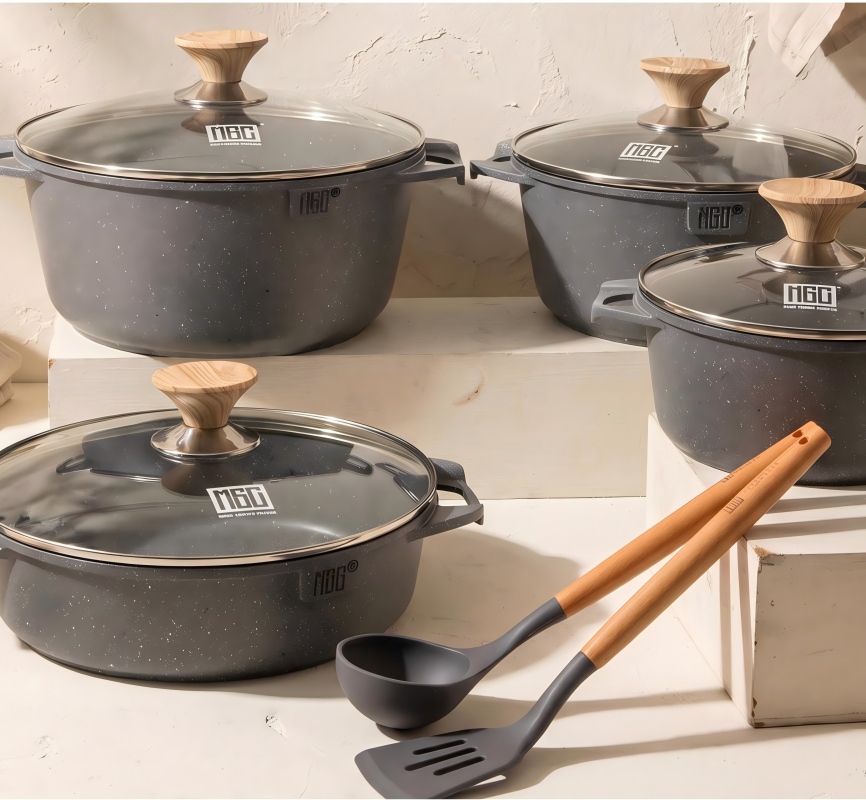
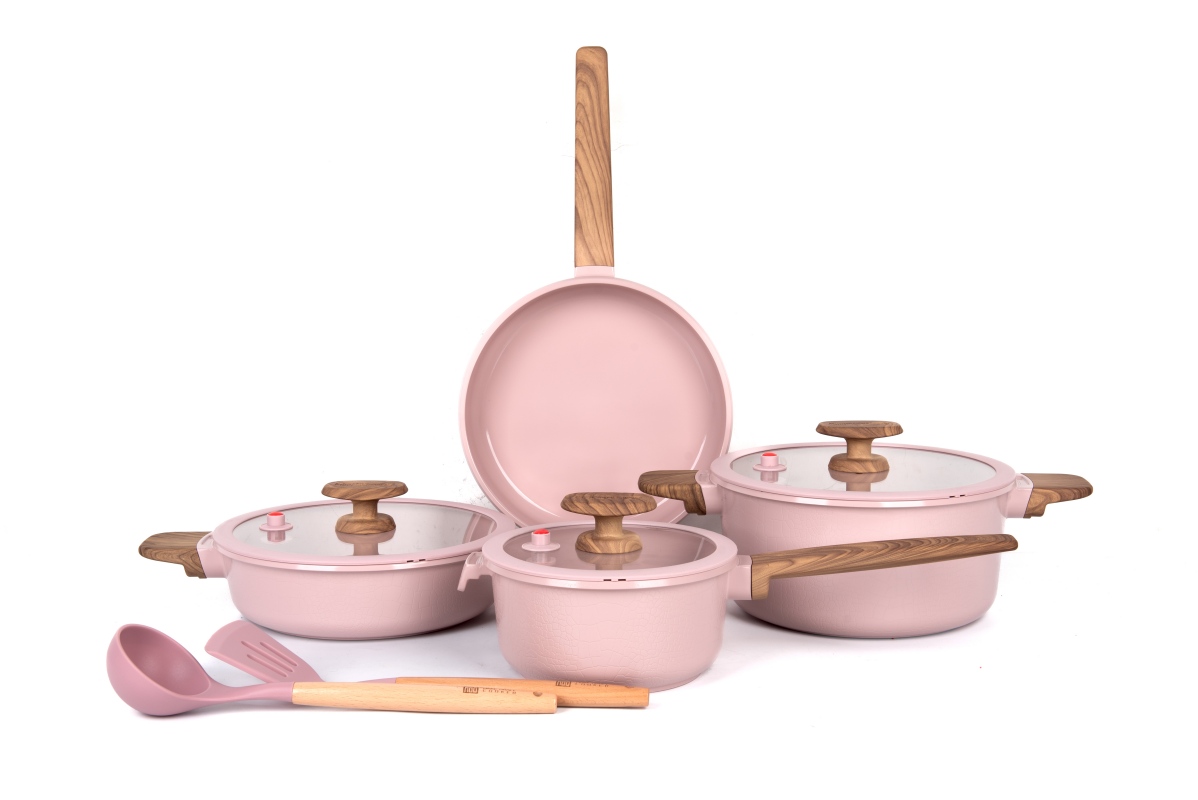
A kitchenware brand launching a private-label frying pan collection must coordinate coating specifications with product design, target pricing, and customer expectations. Buyers can compare PTFE-based and ceramic-based options while reviewing pan construction, handle styles, colors, and packaging. For example, a premium collection may emphasize coordinated finishes, while an everyday range may prioritize practical design and simple maintenance. Requesting samples and confirming technical details before production helps buyers assess whether the proposed products meet their requirements. A clearly documented specification also supports consistent product descriptions across online listings, wholesale catalogs, and packaging, reducing misunderstandings between suppliers and purchasing teams.

Wholesale Cookware Assortments

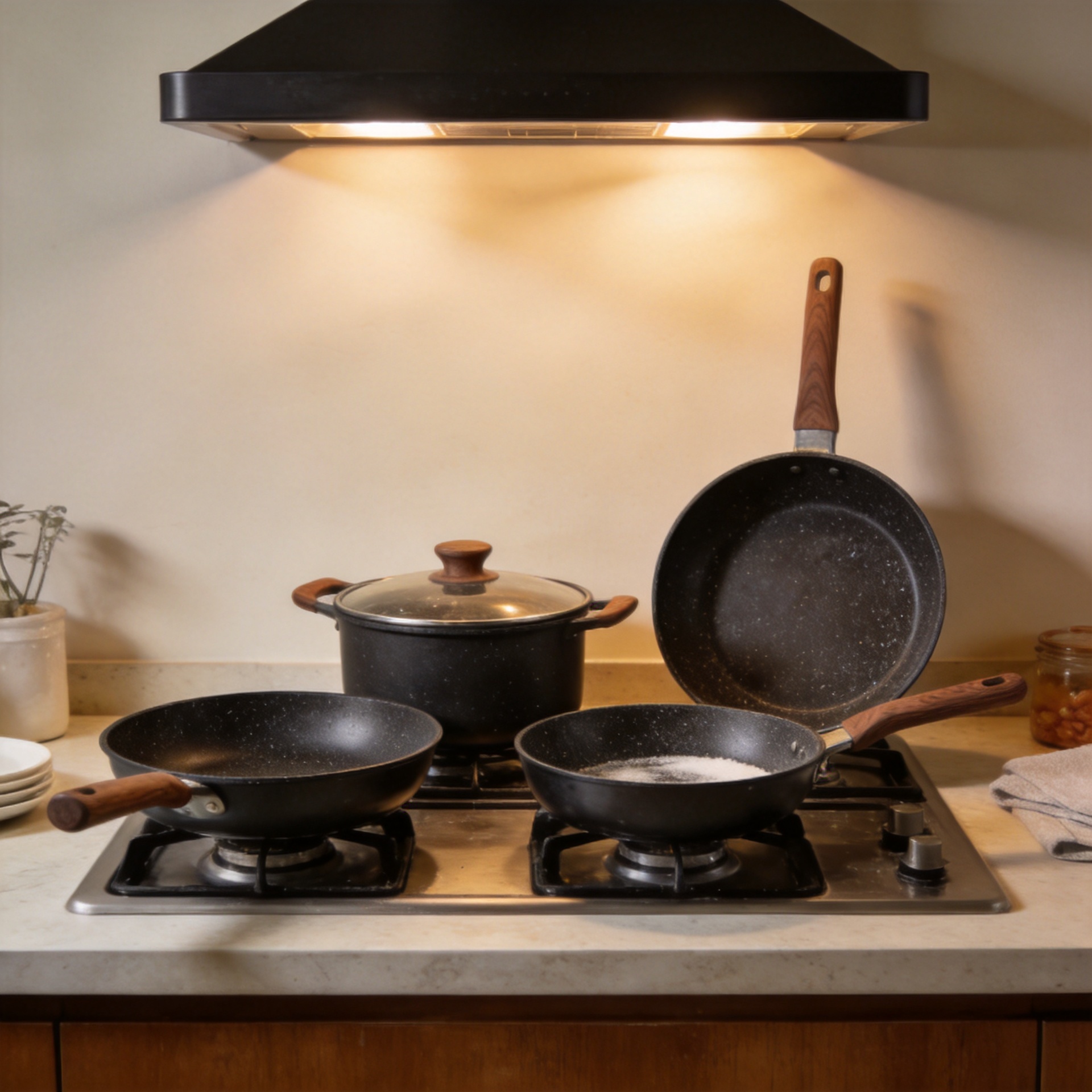
Cookware distributors often need products for different budgets, household sizes, and retail channels. A compact frying pan may suit individual meals, while a larger model accommodates family cooking. Coating selection is only one consideration; buyers should also assess dimensions, pan construction, handle design, care requirements, and relevant compliance documentation. For example, an online retailer can organize products by size, coating type, and intended use to simplify customer comparisons. Accurate descriptions help shoppers understand differences between models without relying on unsupported performance claims. For wholesale purchasing teams, comparing samples and confirming specifications before ordering supports more informed decisions and a better-organized cookware portfolio.

Related products

The coating on a nonstick pan is an important consideration when developing cookware for international markets. PTFE-based coatings are commonly selected for their nonstick characteristics, while ceramic-based systems offer another option for specific product concepts. The appropriate choice depends on formulation, pan construction, intended cooking conditions, and applicable food-contact requirements. Buyers should request technical documentation and confirm recommended operating temperatures before approving a product. Manufacturing specifications may also cover coating color, surface finish, pan dimensions, handle materials, and branding requirements. For example, a retailer developing a coordinated kitchenware collection may prioritize consistent finishes across several pan sizes, while a distributor may focus on practical designs and clear care instructions. Reviewing samples before production helps buyers evaluate appearance and workmanship. Consumers should avoid overheating empty cookware, use suitable utensils, and follow manufacturer cleaning guidance. These measures support appropriate maintenance and help reduce unnecessary surface wear over time.

Frequently Asked Questions

What coating is commonly used on a nonstick pan?

PTFE-based coatings are widely used because of their nonstick properties. Ceramic-based coatings provide an alternative for certain cookware designs. The appropriate choice depends on intended cooking conditions, product specifications, maintenance requirements, and applicable regulations. Buyers should review technical documentation before selecting a coating for their product range.
Follow the manufacturer's instructions, avoid overheating empty cookware, and use utensils suitable for the coating. Allow the pan to cool before cleaning, and avoid abrasive scrubbers unless specifically permitted. Appropriate storage and routine care can help reduce scratches and unnecessary wear during regular kitchen use.
Customization depends on the manufacturer's available coating systems and production capabilities. Buyers may discuss coating colors, exterior finishes, handle designs, and branding requirements when developing private-label products. Requesting samples and confirming specifications before production helps ensure the selected design aligns with the intended market and product collection.
No. Ceramic-based and PTFE-based coatings are different systems with distinct compositions and characteristics. Their performance and care requirements can vary according to formulation and usage. Buyers should compare documented specifications and intended applications rather than assuming either option is universally superior for every cookware product.
Buyers should review coating specifications, pan materials, dimensions, sample quality, care instructions, and relevant compliance documentation. They should also confirm customization options, minimum order quantities, packaging, lead times, and inspection requirements. Establishing these details before production helps align supplier expectations with the buyer's product and quality requirements.

Related article

New National Agency Established

28

Jul

New National Agency Established

Just launched: exclusive national agency in Kazakhstan with Almaty wholesale center. Streamline distribution, cut logistics costs, and scale market access. Request partnership details now.
View More
New Product Development

25

Aug

New Product Development

Struggling to sustain market relevance? Our proven 5-step new product development framework helps B2B teams launch winning solutions faster. Get the playbook now.
View More
Why Do Reliable Cookware Suppliers Matter for Product Success?

14

Sep

Why Do Reliable Cookware Suppliers Matter for Product Success?

A reliable cookware supplier shapes your product quality, supply chain, and sourcing outcomes. Discover what sets a dependable kitchenware supplier apart.
View More
How to Extend the Lifespan of Your Cookware Through Proper Use?

18

Sep

How to Extend the Lifespan of Your Cookware Through Proper Use?

Learn how to extend the lifespan of your cookware through proper use, smart cooking habits, cleaning methods, and everyday kitchen care tips.
View More

Customer Testimonials

Daniel Brooks

“The coating options helped us plan a practical frying pan range for everyday kitchens. Reviewing samples and specifications made our product selection process clearer and more efficient.”

Emily Carter

“We needed cookware suitable for different retail markets. Comparing coating types, pan designs, and care requirements helped us define specifications for our upcoming private-label collection.”

Get a Free Quote

Our representative will contact you soon.
Email
Mobile/WhatsApp
Name
Company Name
Message
0/1000
Coating Options for Diverse Applications

Coating Options for Diverse Applications

Different cookware applications require different product specifications. PTFE-based and ceramic-based coating systems can support distinct product concepts, depending on their characteristics and intended use. Buyers developing frying pans for home kitchens should consider food release, recommended temperatures, cleaning requirements, and pan construction. For example, a collection designed for everyday breakfasts may prioritize practical pan sizes and straightforward care, while a premium range may emphasize coordinated finishes. Evaluating these factors together helps brands select products that fit their customers and distribution channels. Clear technical information also supports more accurate product listings, purchasing decisions, and communication between suppliers and retail teams.
Customization for Private Label Cookware

Customization for Private Label Cookware

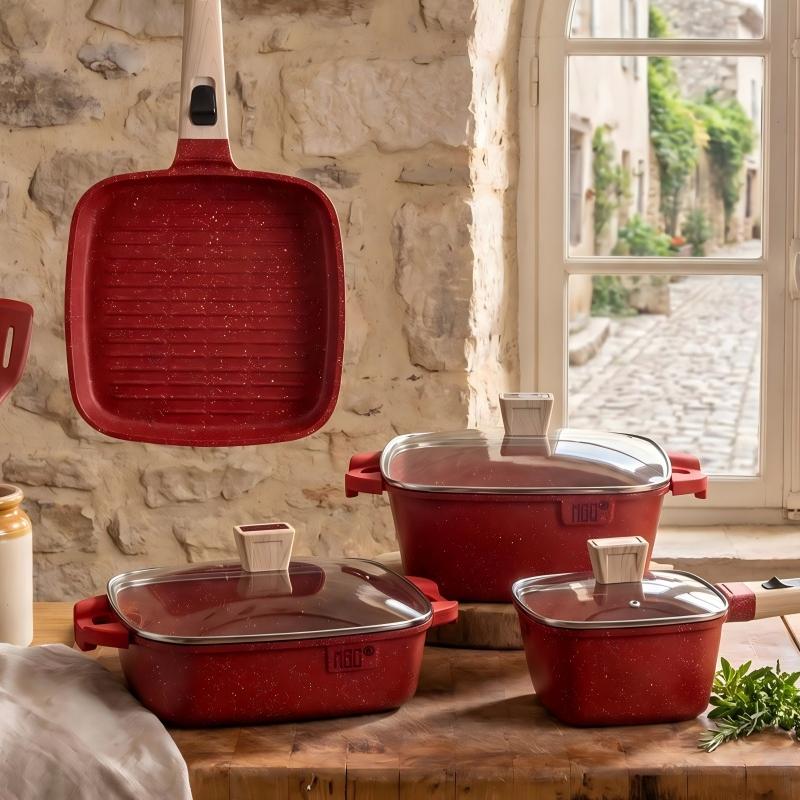
Private-label cookware projects benefit from clearly defined design and manufacturing requirements. Depending on available capabilities, customization may include coating color, pan dimensions, handle styles, exterior finishes, logo presentation, and packaging. A retailer creating a coordinated kitchen collection, for instance, may want several pan sizes with a consistent visual identity. Buyers should confirm available options, sample approval procedures, minimum order quantities, and production timelines before placing an order. Documenting these details helps purchasing teams compare proposals and maintain consistent expectations throughout development. A carefully planned specification can support a more cohesive product range for online retail, kitchenware stores, and wholesale distribution.
Clear Specifications and Responsible Care

Clear Specifications and Responsible Care

Product information is essential for both cookware buyers and end users. Detailed specifications should identify the coating system, pan materials, recommended cooking conditions, cleaning instructions, and relevant compliance information. For example, a distributor preparing product listings for five pan sizes can use consistent descriptions to explain differences in dimensions, design, and maintenance. Consumers also benefit from guidance on suitable utensils, temperature limits, and storage practices. Rather than making unsupported promises about coating lifespan, brands should communicate manufacturer recommendations and documented product characteristics. Accurate information helps customers compare cookware, supports responsible use, and strengthens confidence throughout the purchasing process.