Is Nonstick Bakeware Safe? B2B Safety Guide & Best Practices

Get up to 35% off + Free shipping Shop now

Call Us:+86-579-86903988

Customer Priorities When Choosing Nonstick Bakeware

Customer Priorities When Choosing Nonstick Bakeware

Nonstick bakeware can be suitable for everyday baking when its coating is designed for the intended application and users follow the manufacturer's instructions. Safety considerations include coating composition, maximum oven temperature, surface condition, and recommended cleaning methods. Buyers should check product documentation instead of relying on general claims about all nonstick products. For example, a household baking cookies twice a week should confirm the pan's temperature rating and avoid metal utensils if the manufacturer recommends softer alternatives. Retailers can also provide clear care guidance to help customers use products appropriately. Understanding these factors supports informed purchasing decisions and helps preserve bakeware performance.
Get A Quote

Case Study

Choosing Bakeware for Home Baking

Home bakers preparing cookies, muffins, or sheet cakes should review the manufacturer's guidance before using nonstick bakeware. Check the maximum oven temperature, recommended utensils, and cleaning instructions for the specific product. For example, someone baking several batches of cookies may use silicone or wooden utensils if recommended, then clean the pan with a soft sponge after it cools. Avoid using bakeware with a visibly peeling or damaged coating. These practical steps help consumers understand product limitations and maintain the pan's condition. Reading the instructions before first use is more reliable than assuming every nonstick coating has identical properties.

Helping Customers Compare Nonstick Products

Kitchenware retailers can support safer purchasing decisions by publishing accurate information about nonstick bakeware. Product pages should identify the coating where available, state temperature limits, and explain suitable cleaning methods. For example, a store offering multiple baking sheet models can compare their dimensions, coating details, and care requirements in a clear format. Retail teams should verify claims with supplier documentation and avoid describing a product as universally chemical free or risk free without evidence. Accurate guidance helps shoppers understand differences between products and select options for their recipes. It can also reduce confusion about overheating, scratched surfaces, and appropriate utensil choices.

Evaluating Bakeware for Commercial Kitchens

Bakeries and cafés may use nonstick bakeware for cookies, pastries, and other high volume preparations. Purchasing teams should verify that each product suits the required oven temperature, production process, cleaning routine, and expected frequency of use. For example, a bakery preparing morning pastry batches can establish procedures for inspecting pans and removing damaged items from service. Staff should follow manufacturer instructions and avoid cleaning methods that can harm the coating. Buyers should also request material specifications and relevant compliance documentation when evaluating products. A structured selection and maintenance process helps businesses manage bakeware consistently without making unsupported assumptions about safety.

Related products

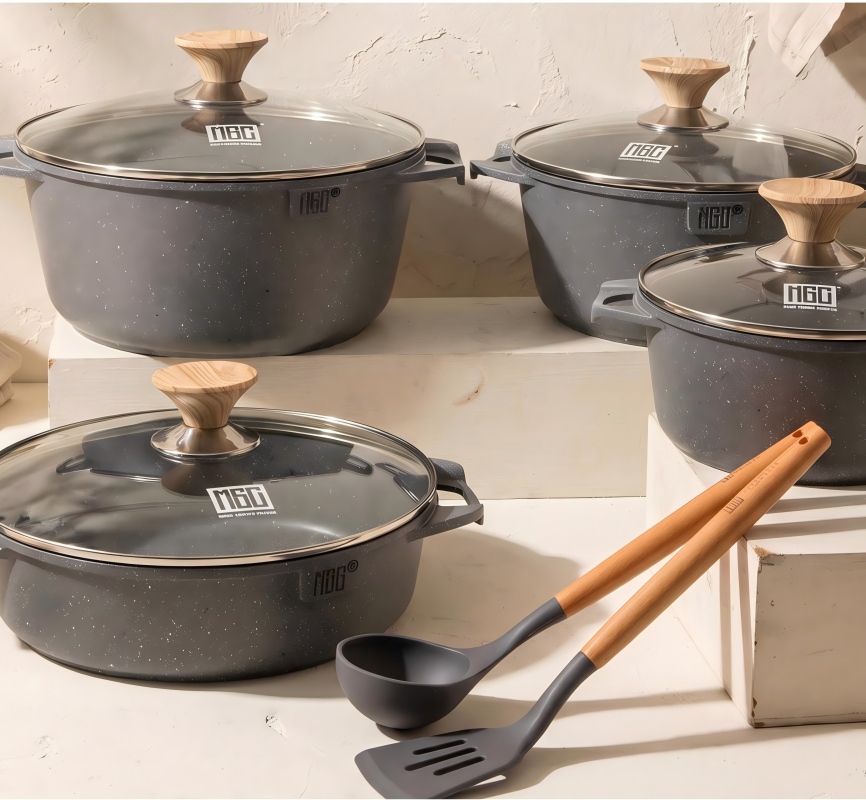
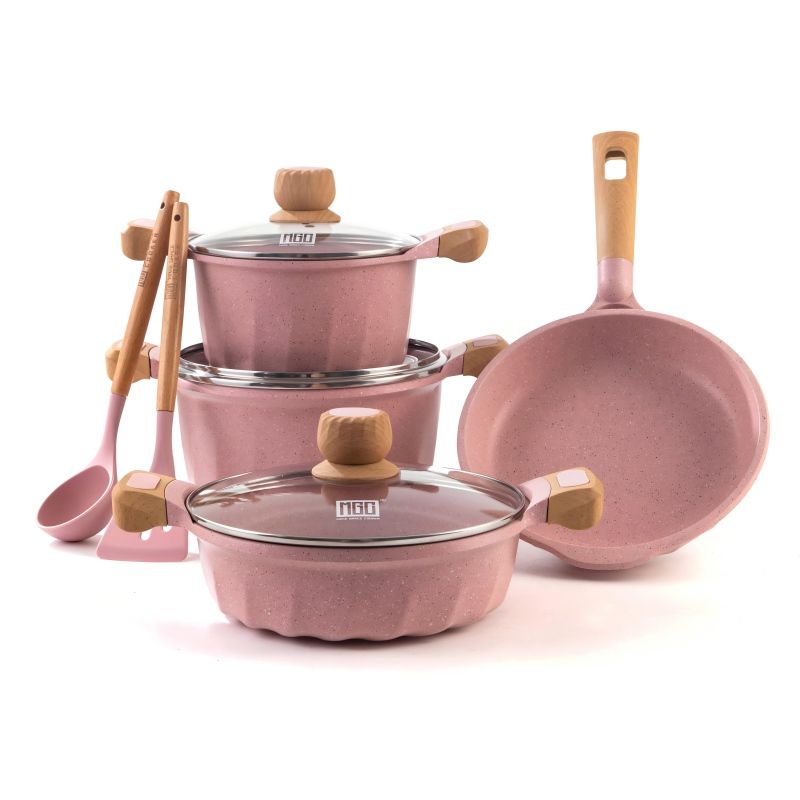
Nonstick bakeware is designed to help baked foods release more easily and simplify cleanup, but its suitability depends on the specific coating and conditions of use. Many conventional nonstick coatings are based on PTFE, a fluoropolymer used in cookware applications. Products should always be operated within the manufacturer's stated temperature limits, since excessive heat can damage some coatings and create hazardous fumes. Consumers should inspect bakeware regularly and stop using items with peeling, flaking, or seriously damaged surfaces. Avoid abrasive cleaning tools unless the manufacturer specifically permits them. MG Cookware provides a website where buyers can explore cookware products and review available product information. Retailers and importers should confirm coating composition, temperature ratings, care instructions, and applicable food contact documentation directly with the supplier. These checks help businesses communicate accurately with customers and help end users choose bakeware that fits their recipes, equipment, and maintenance routines. Proper use and product specific information are more useful than broad statements that all nonstick bakeware is either completely safe or inherently unsafe.

Frequently Asked Questions

Is nonstick bakeware safe for everyday baking?

Nonstick bakeware can be suitable for everyday use when manufactured for food contact and used according to its instructions. The FDA reports that authorized PFAS-based nonstick coatings have very low potential for migration into food. Always follow the product's temperature limits and care recommendations.
Excessive heat can damage certain nonstick coatings and may release hazardous fumes, depending on the coating and conditions. Follow the manufacturer's maximum temperature rating, avoid overheating empty bakeware, and use it only in approved appliances. Do not assume that every coating has the same temperature tolerance.
Bakeware with peeling, flaking, or seriously damaged coatings should be assessed carefully and replaced when the manufacturer recommends it. Scratches may affect product performance and make cleaning more difficult. Avoid metal utensils and abrasive pads when prohibited by the care instructions, and inspect the surface regularly for changes.
No. Nonstick bakeware can use different coating technologies, and not every nonstick product contains the same chemicals. PTFE is one coating used in some products and belongs to the broader PFAS family. Buyers should check the manufacturer's material disclosures rather than infer composition from the term nonstick alone.
Buyers should confirm coating composition, food contact documentation, maximum oven temperature, cleaning requirements, and product dimensions. Request documents that identify the actual product and its intended use. Retailers should also verify claims such as PFOA free or PFAS free with supporting evidence before using them in marketing materials.

Related article

New Product Development

25

Aug

New Product Development

Struggling to sustain market relevance? Our proven 5-step new product development framework helps B2B teams launch winning solutions faster. Get the playbook now.
View More
New Market Promotion

25

Aug

New Market Promotion

Struggling to demonstrate product value? Face-to-face customer engagement drives 3.2x higher conversion in B2B markets. Discover proven field promotion tactics now.
View More
How to Choose the Right Cookware Set Material for Better Cooking Results?

14

Sep

How to Choose the Right Cookware Set Material for Better Cooking Results?

Discover how to choose the right cookware set material — aluminum, stainless steel, or non-stick — to match your cooking style and improve results.
View More
Proper Cleaning Methods to Extend the Life of a Durable Non Stick Pan.

18

Sep

Proper Cleaning Methods to Extend the Life of a Durable Non Stick Pan.

Learn proper cleaning methods to extend your durable non stick pan's life. Right kitchen habits protect the coating and keep food releasing cleanly.
View More

Customer Testimonials

Emily Carter

Home bakers value clear guidance on nonstick bakeware materials, temperature limits, and cleaning. Following manufacturer instructions helps reduce coating damage and supports appropriate use during routine baking.

James Wilson

Retail buyers benefit from transparent coating specifications and care guidance. Clear product information helps customers compare bakeware options and understand how temperature, utensils, and cleaning methods affect product condition.

Get a Free Quote

Our representative will contact you soon.
Email
Mobile/WhatsApp
Name
Company Name
Message
0/1000
Practical Guidance for Safe Everyday Use

Practical Guidance for Safe Everyday Use

Clear usage instructions help consumers get the best experience from nonstick bakeware. Before baking, check the product's temperature rating and ensure the pan is suitable for the recipe and oven. During preparation, use utensils and cleaning tools recommended by the manufacturer to avoid unnecessary coating damage. For example, a home baker preparing cookies every weekend can inspect the surface before each session and wash the cooled tray with a suitable detergent and soft sponge. Retailers can reinforce these habits through product pages and packaging instructions. Straightforward guidance helps customers understand product limitations, maintain bakeware appropriately, and make better informed decisions for regular kitchen use.
Transparent Coating Information for Buyers

Transparent Coating Information for Buyers

Material transparency is important for businesses sourcing nonstick bakeware for international markets. Buyers should ask suppliers to identify the coating technology, provide applicable food contact documentation, and specify recommended operating temperatures. For example, a retailer comparing two baking sheet collections can evaluate their coating information alongside dimensions, finish, and cleaning requirements. Marketing terms should be supported by documentation rather than used as substitutes for material details. When claims involve PFAS or PFOA, buyers should clarify exactly which substances the claim covers and request relevant evidence. This process helps importers prepare accurate product listings, answer customer questions, and select products that meet their market's requirements.
Product Selection That Matches Baking Needs

Product Selection That Matches Baking Needs

The right nonstick bakeware depends on the foods being prepared, the equipment available, and the expected frequency of use. Cookie sheets, cake pans, and muffin trays can have different shapes, coatings, and temperature limits. For example, a bakery producing several batches of muffins each morning may prioritize suitable dimensions, easy release, consistent handling, and clear cleaning procedures. Purchasing teams should compare specifications instead of assuming all nonstick products perform identically. MG Cookware's website provides a starting point for exploring cookware products, while specific coating details and order requirements should be confirmed directly with the supplier. Careful evaluation supports more relevant product assortments and better informed purchasing decisions.