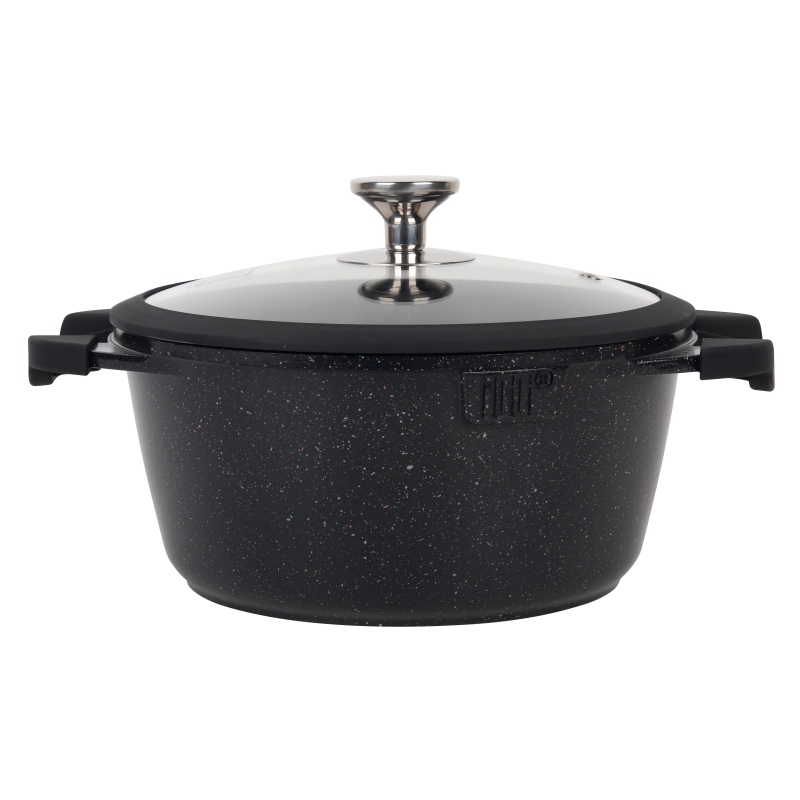
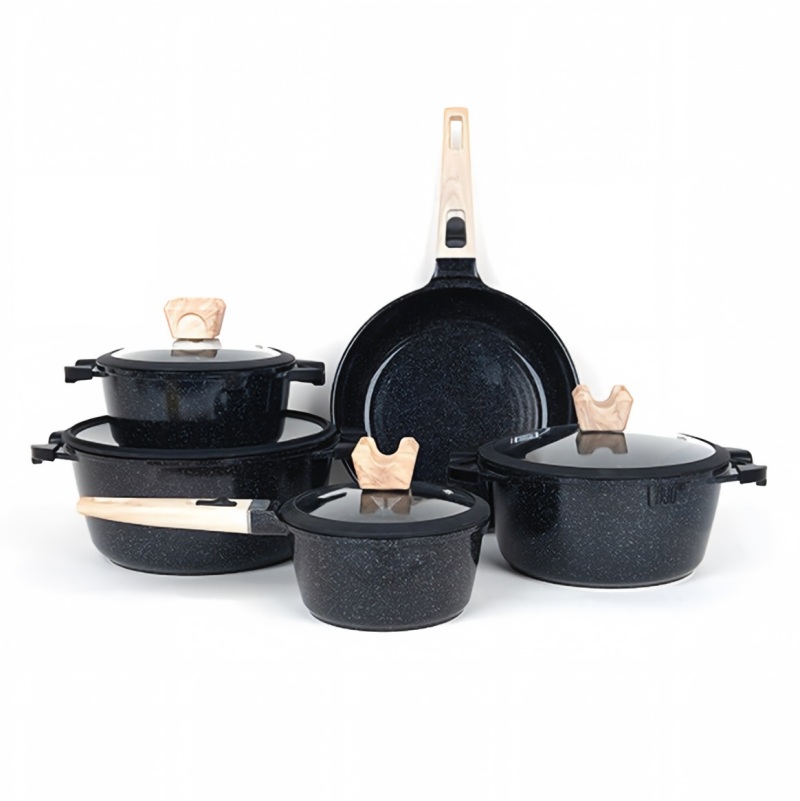
Bakeware Lasagna Pans: Deep, Oven-Safe & Commercial-Grade

Get up to 35% off + Free shipping Shop now

Call Us:+86-579-86903988

Customer Priorities for Bakeware Lasagna Pans

Customer Priorities for Bakeware Lasagna Pans

Bakeware lasagna pans provide a practical solution for preparing layered pasta dishes, baked vegetables, casseroles, and other oven cooked meals. Their depth helps accommodate pasta sheets, sauces, cheese, and fillings in multiple layers, while different sizes support individual households and larger gatherings. Depending on the material, a pan may offer different heat distribution, handling, and serving characteristics. For example, a family preparing a weekend lasagna can select a deeper dish for generous layers, while a catering business may need larger capacity options for group meals. Buyers should compare dimensions, material composition, oven temperature limits, and cleaning instructions before choosing a suitable pan.
Get A Quote

Case Study

Family Sized Lasagna for Home Kitchens

Home cooks preparing lasagna for family dinners need a pan that accommodates their recipe, oven dimensions, and preferred portion sizes. Bakeware lasagna pans with sufficient depth can hold layers of pasta, sauce, vegetables, cheese, and meat while leaving room for bubbling during baking. For example, a household hosting six guests may compare a larger rectangular pan with a smaller dish suited to everyday meals. Material and dimensions influence handling and cooking performance, so product specifications matter. Buyers should also check cleaning instructions and storage requirements. Choosing the right capacity helps reduce spills and supports a more convenient cooking experience.

Reliable Bakeware for Restaurant Kitchens

Restaurants and cafés may use bakeware lasagna pans to prepare menu items such as classic lasagna, vegetable pasta bakes, and layered casseroles. Commercial buyers should select dimensions that fit their ovens and match expected serving volumes. For example, a restaurant offering lasagna as a lunch special may prefer pans that support consistent preparation and convenient portioning. Purchasing teams should compare material composition, heat resistance, handling requirements, and cleaning procedures before ordering. They should also verify whether the product is suitable for the kitchen's expected usage frequency. Clear specifications help businesses choose pans that fit their recipes, equipment, and food service routines.

Catering and Batch Meal Preparation

Catering teams and meal preparation businesses often need bakeware lasagna pans that accommodate larger batches and organized production schedules. A suitable pan can hold layered pasta dishes or vegetable casseroles for group events and prepared meal services. For example, a caterer preparing food for a family celebration may compare several pan capacities to determine how many portions each dish can serve. Buyers should confirm dimensions, depth, oven compatibility, and handling requirements before selecting products. Packaging and storage also matter when purchasing multiple pans. Matching pan sizes to menu requirements helps simplify preparation planning and supports consistent presentation at events.

Related products

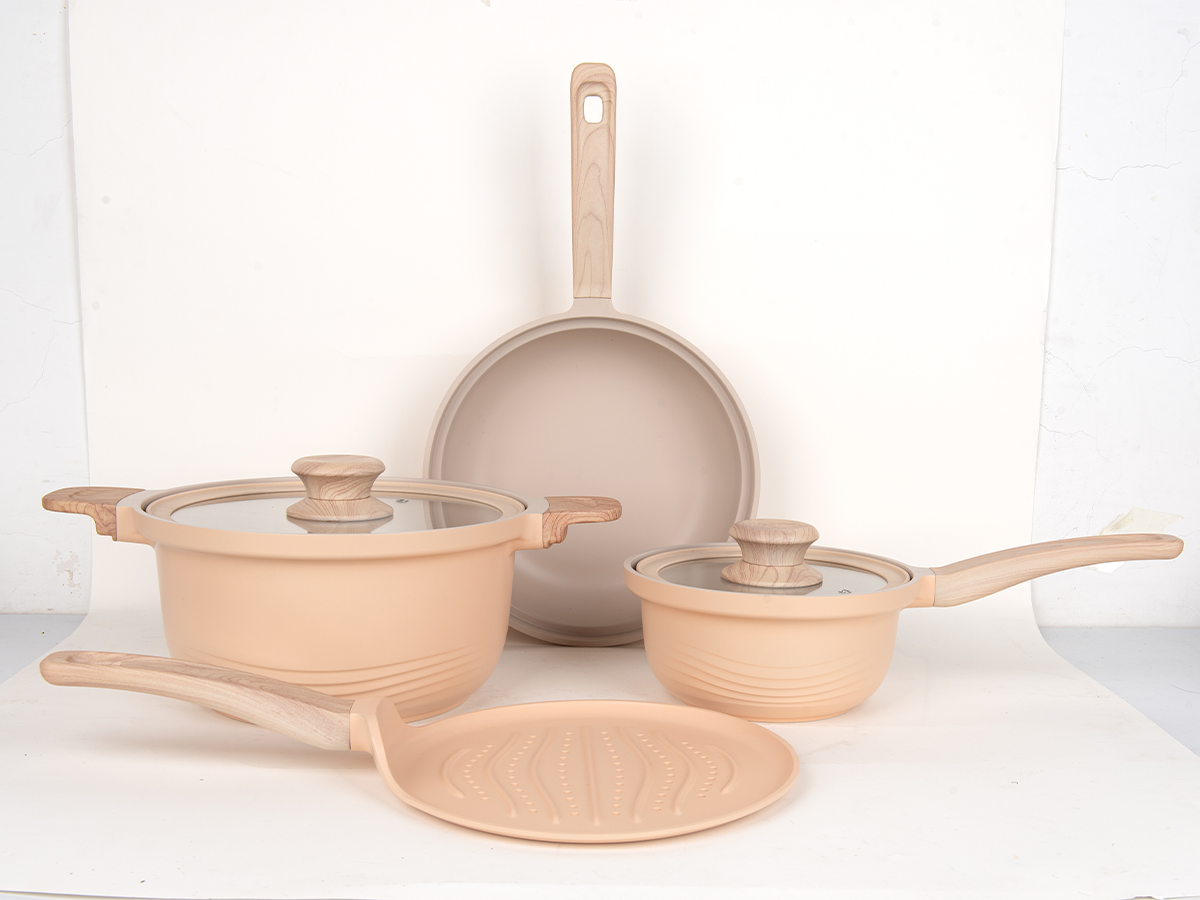
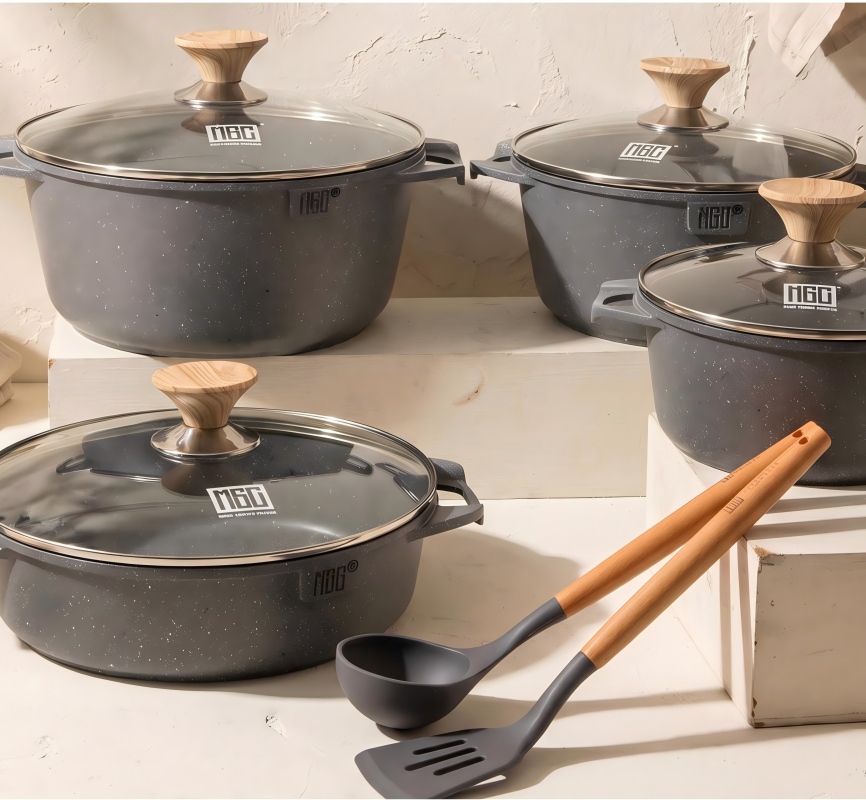
Bakeware lasagna pans are designed for layered dishes that need enough space for pasta, sauces, fillings, and toppings. They can also be used for baked vegetables, macaroni casseroles, and other oven cooked meals, depending on the pan's material and specifications. When selecting a pan, buyers should consider depth, length, width, capacity, material composition, and oven temperature limits. For example, a home cook preparing weekend meals may prefer a medium sized rectangular dish, while a catering business may require larger pans for batch preparation. MG Cookware provides a website where buyers can explore cookware products and related kitchenware options. Businesses interested in sourcing bakeware should confirm available designs, product specifications, packaging, minimum order quantities, and customization possibilities directly with the supplier. Selecting pans according to recipes, oven dimensions, and serving requirements helps households and food service teams choose practical equipment for their cooking routines.

Frequently Asked Questions

What size bakeware lasagna pan should I choose?

The ideal size depends on your recipe, oven dimensions, and the number of portions required. A medium rectangular pan may suit regular family meals, while larger pans can support gatherings or batch cooking. Compare the pan's length, width, and depth rather than relying on general size labels alone.
Glass, ceramic, and metal pans each have different heat transfer, weight, and serving characteristics. Metal options are common for oven cooking, while ceramic and glass dishes may offer attractive table presentation. The best choice depends on your recipe, handling preferences, temperature requirements, and manufacturer instructions.
Yes, many appropriately rated lasagna pans can also be used for baked pasta, vegetable casseroles, roasted dishes, and layered meals. Their depth and rectangular shape provide room for several ingredients. Always check the manufacturer's intended-use guidance, temperature limits, and appliance compatibility before preparing different recipes.
Allow the pan to cool before cleaning, then follow the manufacturer's care instructions for its material and surface finish. Use suitable detergents and avoid abrasive tools when the product requires gentle cleaning. Dry the pan thoroughly before storing it, and check whether it is dishwasher safe before using a dishwasher.
Wholesale buyers should verify dimensions, capacity, material composition, surface finish, oven temperature limits, packaging protection, and minimum order quantities. Request product samples and relevant documentation when appropriate. Confirming these details directly with the supplier helps businesses evaluate whether the pans fit their target market and intended applications.

Related article

New Product Development

25

Aug

New Product Development

Struggling to sustain market relevance? Our proven 5-step new product development framework helps B2B teams launch winning solutions faster. Get the playbook now.
View More
New Market Promotion

25

Aug

New Market Promotion

Struggling to demonstrate product value? Face-to-face customer engagement drives 3.2x higher conversion in B2B markets. Discover proven field promotion tactics now.
View More
How to Choose the Right Cookware Set Material for Better Cooking Results?

14

Sep

How to Choose the Right Cookware Set Material for Better Cooking Results?

Discover how to choose the right cookware set material — aluminum, stainless steel, or non-stick — to match your cooking style and improve results.
View More
Proper Cleaning Methods to Extend the Life of a Durable Non Stick Pan.

18

Sep

Proper Cleaning Methods to Extend the Life of a Durable Non Stick Pan.

Learn proper cleaning methods to extend your durable non stick pan's life. Right kitchen habits protect the coating and keep food releasing cleanly.
View More

Customer Testimonials

Emily Carter

Bakeware lasagna pans help home cooks prepare layered pasta, baked vegetables, and casseroles. Comparing pan depth, capacity, and oven compatibility makes it easier to choose suitable cookware for regular family meals.

Daniel Brooks

Restaurants and caterers need lasagna pans that match portion sizes and kitchen routines. Clear specifications about dimensions, materials, and cleaning help buyers select practical options for repeated food preparation.

Get a Free Quote

Our representative will contact you soon.
Email
Mobile/WhatsApp
Name
Company Name
Message
0/1000
Deep Designs for Layered Baking

Deep Designs for Layered Baking

Bakeware lasagna pans need enough depth to accommodate pasta sheets, sauces, vegetables, cheese, and other ingredients without overflowing during baking. A suitable design makes it easier to prepare traditional lasagna as well as layered vegetable dishes and baked pasta recipes. For example, a family preparing a weekend meal can choose a pan that matches its recipe volume and oven dimensions. Restaurants may compare several capacities to match their serving requirements. Buyers should review the pan's internal measurements, material, and temperature rating before selecting a product. Clear specifications help users understand the available space and choose bakeware appropriate for their cooking routines.
Versatile Options for Home and Commercial Kitchens

Versatile Options for Home and Commercial Kitchens

Bakeware lasagna pans can serve a range of applications, from home cooked dinners to restaurant menu preparation and catered events. Smaller dishes may suit everyday meals, while larger pans can accommodate batch cooking for groups. For example, a café serving baked pasta at lunchtime may select pans based on oven capacity, expected portions, and cleaning procedures. Home cooks can consider storage space and preferred recipe sizes when comparing alternatives. Retailers can organize product information around dimensions, materials, and intended applications to make selection easier. Matching the pan to actual kitchen requirements helps reduce unnecessary purchases and supports practical food preparation.