Induction Pan Buying Guide for B2B Buyers

Get up to 35% off + Free shipping Shop now

Call Us:+86-579-86903988

Buyer Insights on Induction Pan Cookware

Buyer Insights on Induction Pan Cookware

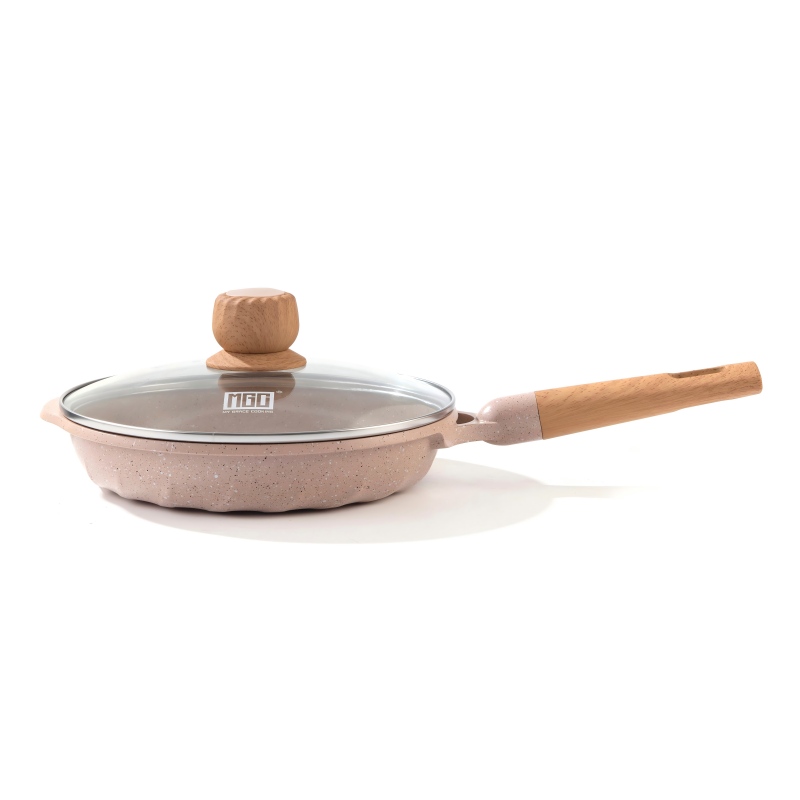
An induction pan is designed with a base that works with induction cooktops, which heat compatible cookware through an electromagnetic field. For households, retailers, and professional cookware buyers, choosing the right pan means checking more than its appearance or material name. Base construction, flatness, diameter, and compatibility with the intended appliance all influence suitability. Induction compatible pans may be available in stainless steel, coated aluminum with a suitable magnetic base, and other constructions. Different sizes and designs can support everyday frying, sautéing, and meal preparation. For B2B purchasing, reviewing samples and confirming technical specifications helps buyers compare products accurately. Importers, distributors, and private label brands should also consider packaging, quality control, customization options, and destination market requirements before placing bulk orders.
Get A Quote

Case Study

Retail Cookware Assortment Planning

A kitchenware retailer wants to expand its range of induction compatible cookware for customers with modern kitchen appliances. The purchasing team compares frying pans in several diameters and reviews their base construction, handle design, surface finish, and overall weight. Each model must be confirmed as suitable for induction cooking rather than selected based on appearance alone. The team also evaluates nonstick options for everyday meals and stainless steel models for versatile cooking applications. Sample checks help assess construction and usability before a purchasing decision is made. By recording verified specifications and compatibility information, the retailer can prepare more accurate product descriptions and organize its assortment around different cooking needs and price points.

Private Label Induction Pan Development

A cookware brand plans to launch a private label induction pan collection for online and retail customers. Its team defines target pan sizes, body materials, coating preferences, handle designs, and packaging requirements. It then requests samples and technical details from potential suppliers to verify induction compatibility and review product construction. Before approving production, the buyer confirms the exact model specifications, logo placement, packaging artwork, minimum order quantities, quality requirements, and delivery schedules. Compatibility should be verified for every selected model, since not all cookware made from a particular material is suitable for induction heating. A documented approval process helps align purchasing and marketing plans while providing a reference for production checks and future repeat orders.

Wholesale Induction Cookware Distribution

A distributor supplying kitchenware retailers needs induction pans in several sizes and styles to meet different customer requirements. Its purchasing team compares technical specifications, quotation terms, carton dimensions, and available order quantities. It checks that every selected model is confirmed as induction compatible and reviews whether the pan suits the distributor's target retail segment. Sample evaluation provides an opportunity to examine the base, handle attachment, surface finish, and general construction before a larger order is placed. The distributor also confirms packaging, labeling, lead times, shipping arrangements, and quality inspection procedures. Maintaining product records helps the business compare suppliers more consistently, reduce specification confusion, and coordinate inventory replenishment.

Related products

An induction pan is cookware specifically designed to work with an induction cooktop. Instead of relying on a conventional heating element to warm the pan, induction cooking uses an electromagnetic field to heat compatible cookware directly. The pan therefore needs a suitable magnetic base, and its compatibility should be confirmed for the exact model. Stainless steel induction pans and coated aluminum pans with magnetic bases are common options, while ordinary aluminum cookware without a compatible base generally will not work on induction appliances. Buyers should compare pan diameter, base construction, surface coating, handle design, body thickness, and intended cooking applications. A flat, suitable base helps ensure appropriate contact with the cooktop, although the appliance manufacturer's instructions should always be followed. For B2B buyers, other considerations include packaging, product labeling, minimum order quantities, customization options, and delivery schedules. Retailers and importers should request technical specifications and review samples before confirming a bulk order. They should also verify relevant food contact requirements and supporting documentation for their destination markets. MGCCookware can be explored as a starting point for cookware product options. Before purchasing, contact the supplier to confirm available induction compatible models, sample arrangements, quality control procedures, and private label capabilities. Clear specifications help buyers compare quotations fairly and select products that match their customers' needs.

Frequently Asked Questions

What makes a pan suitable for induction cooking?

An induction pan needs a base made from a suitable magnetic material so the cooktop can heat it. The base design and size also matter. Buyers should check the manufacturer's specifications or compatibility guidance for the exact model instead of assuming that all stainless steel or coated pans work with induction.
A conventional aluminum pan without a suitable magnetic base generally will not work on induction. Some aluminum pans incorporate a compatible magnetic plate or layered base. Always verify the exact model's specifications before purchasing, especially when sourcing multiple cookware styles for retail or wholesale distribution.
Yes, some induction compatible pans feature nonstick coatings. These models combine a suitable induction base with a coated cooking surface. Buyers should verify the product's compatibility, coating specifications, care instructions, and temperature limitations before selecting it for a cookware collection or recommending it to customers.
Consider the cooktop's supported cooking zones, the pan's base diameter, and the types of meals it will be used to prepare. A pan that is too large or too small for the cooking zone may not perform as expected. Check both the pan specifications and appliance instructions before choosing a size.
Confirm induction compatibility, base construction, dimensions, material, coating, handle design, packaging, order quantities, and delivery schedules. Request samples and written specifications before approving production. Buyers should also verify quality control procedures and applicable food contact requirements for the destination market.

Related article

New National Agency Established

28

Jul

New National Agency Established

Just launched: exclusive national agency in Kazakhstan with Almaty wholesale center. Streamline distribution, cut logistics costs, and scale market access. Request partnership details now.
View More
New Market Promotion

25

Aug

New Market Promotion

Struggling to demonstrate product value? Face-to-face customer engagement drives 3.2x higher conversion in B2B markets. Discover proven field promotion tactics now.
View More
How to Know If Ceramic Cookware Is Safe and High Quality?

14

Sep

How to Know If Ceramic Cookware Is Safe and High Quality?

Wondering if ceramic cookware is it safe? Learn how to evaluate coating quality, material testing standards, and key quality signals before you buy.
View More
How to Extend the Lifespan of Your Cookware Through Proper Use?

18

Sep

How to Extend the Lifespan of Your Cookware Through Proper Use?

Learn how to extend the lifespan of your cookware through proper use, smart cooking habits, cleaning methods, and everyday kitchen care tips.
View More

Customer Testimonials

Emily Carter

Checking induction pan base construction, dimensions, and materials helps buyers select cookware suited to modern kitchen appliances. Clear specifications support more informed product evaluation and purchasing decisions.

Daniel Wilson

Confirming induction compatibility, handle design, and packaging requirements before ordering helps buyers coordinate product selections and maintain consistent expectations throughout the sourcing process.

Get a Free Quote

Our representative will contact you soon.
Email
Mobile/WhatsApp
Name
Company Name
Message
0/1000
Verified Induction Compatibility

Verified Induction Compatibility

Induction compatibility is one of the most important factors when selecting an induction pan. The cookware must have a suitable magnetic base, and compatibility should be verified for the exact product model. Buyers should review base construction, diameter, flatness, and the manufacturer's technical information before making a purchasing decision. For retailers and distributors, accurate compatibility details help reduce confusion and support more reliable product listings. It is also useful to check whether each pan suits the cooking zones commonly used in the target market. By confirming these details before ordering, buyers can select cookware that better matches customer expectations and the requirements of modern induction kitchens.
Multiple Styles for Different Cooking Needs

Multiple Styles for Different Cooking Needs

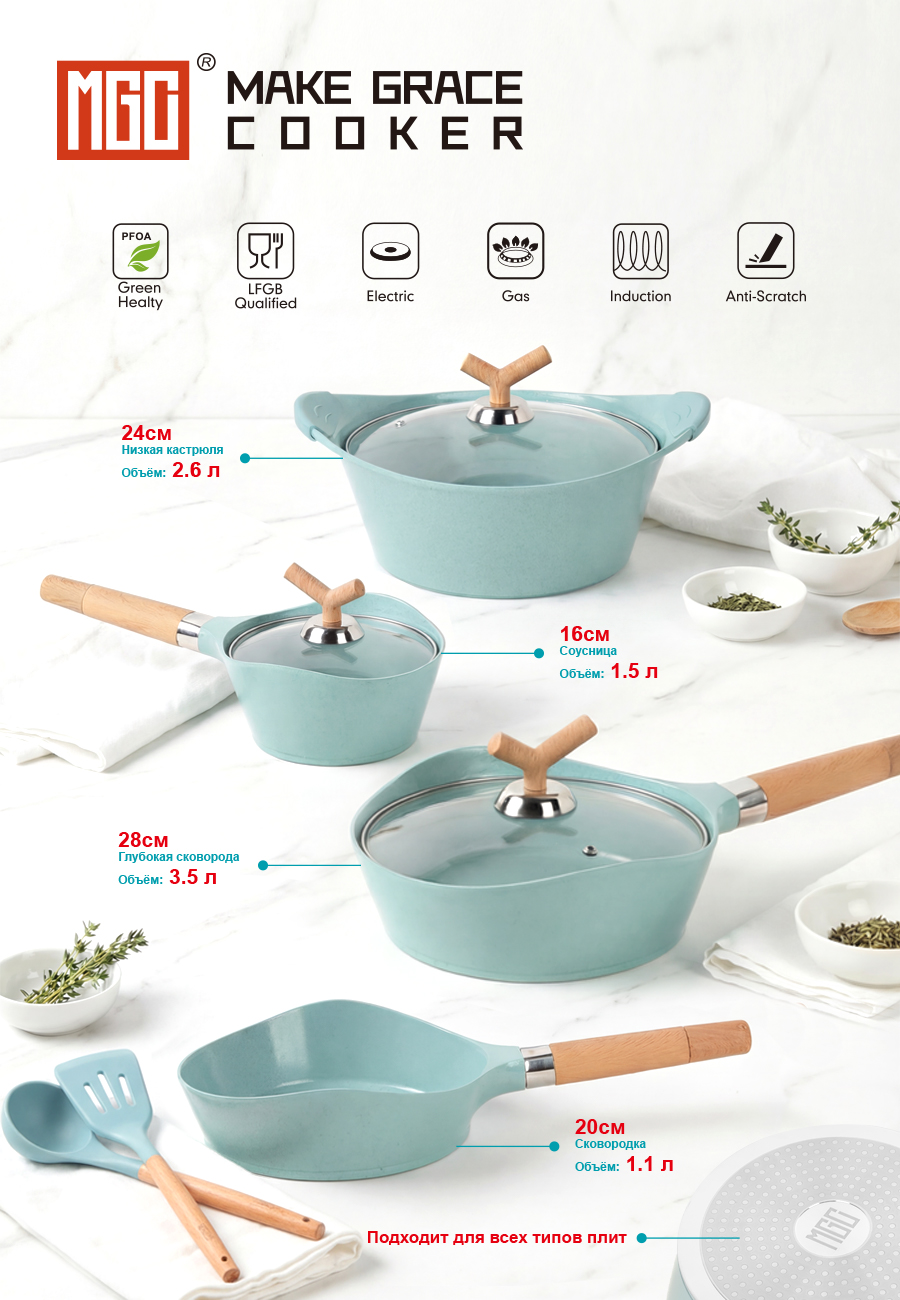
Induction compatible pans are available in different materials, sizes, coatings, and designs. A cookware assortment may include nonstick frying pans for everyday meals, stainless steel pans for versatile cooking, and larger models for family portions. Buyers should compare each product's body construction, surface finish, handle design, and maintenance requirements alongside its induction compatibility. Sample evaluation helps purchasing teams assess construction and appearance before confirming an order. For private label brands, packaging and product information should accurately reflect verified features. Careful product selection allows retailers and importers to build a more useful assortment and distinguish models according to customer preferences and intended cooking applications.