EN
Advantages and Limitations of Ceramic Cookware for Daily Use
If you are asking ceramic cookware is it safe, the useful answer is conditional rather than absolute. A well-made item intended for food contact can be a practical choice, but “ceramic cookware” describes more than one construction. Solid ceramic bakeware and ceramic-coated aluminum or steel pans behave differently. The label, the manufacturer’s care directions, the condition of the surface, and the way you cook all matter.
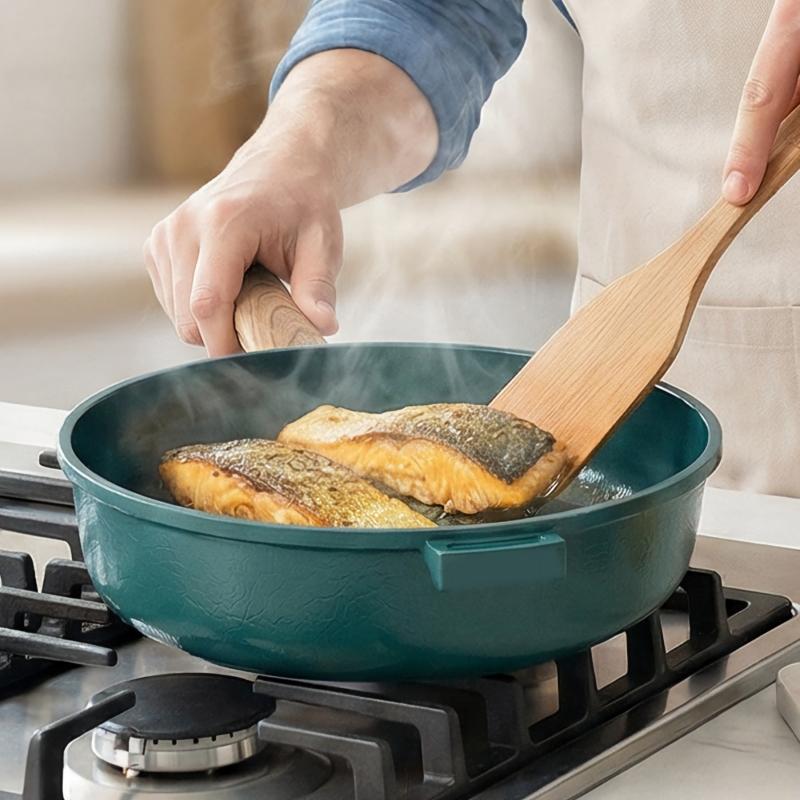
For everyday kitchens, ceramic-coated nonstick is often chosen for easy release and quick cleanup. It can make eggs, fish, pancakes, and lightly sautéed vegetables simpler to manage with modest oil. Still, it is not a forever-nonstick solution, and it is not automatically the right pan for every high-heat job. This cookware guide separates a sensible safety check from the real-world trade-offs.
First, what does “ceramic cookware” mean?
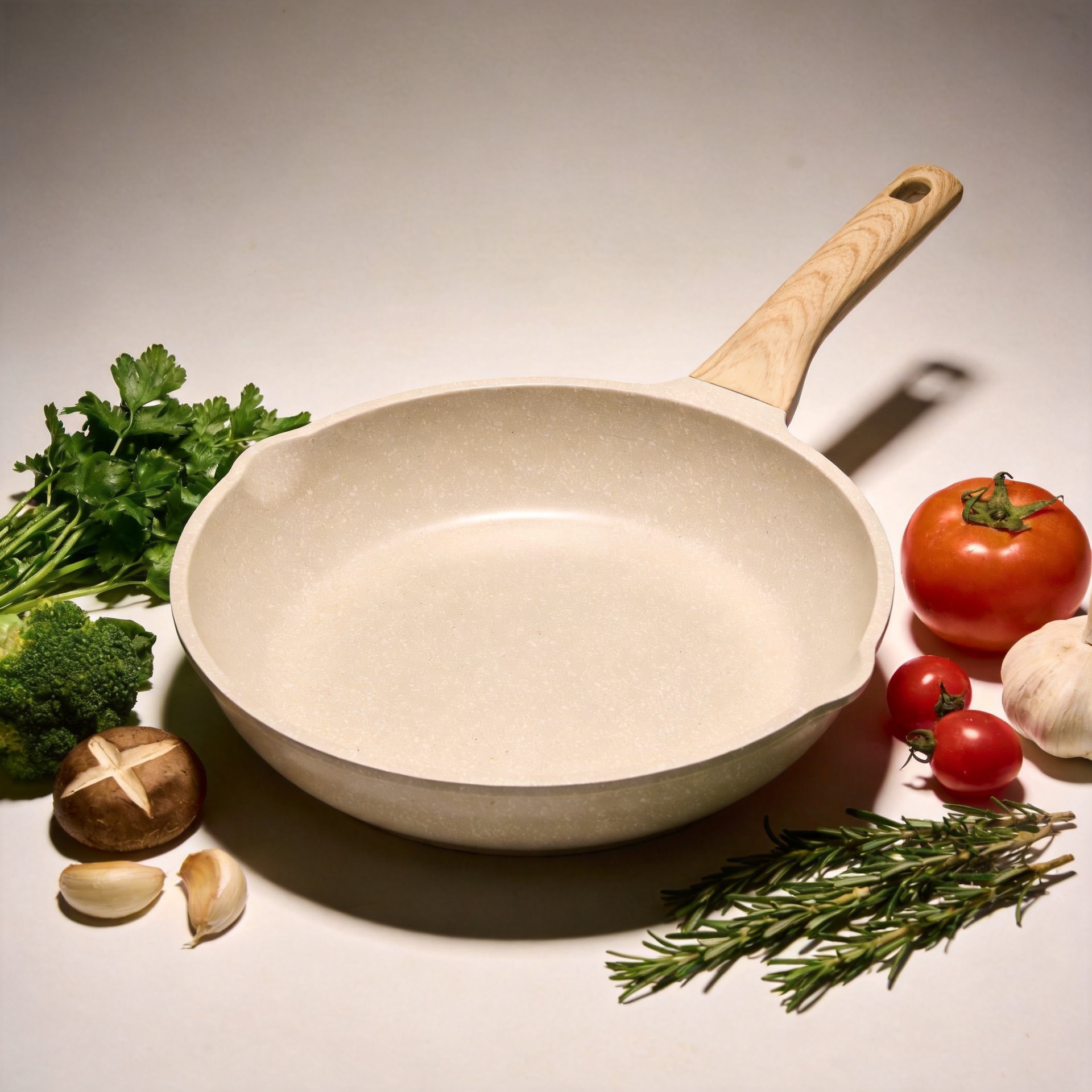
Some pieces are made from ceramic material itself, such as certain baking dishes and tagines. More commonly, a skillet marketed as ceramic cookware has a metal body with a ceramic-based nonstick coating. That distinction matters because the pan’s heat response comes largely from its aluminum or steel base, while food release and care limits come from the coating system.
So, ceramic cookware is it safe is not a question that a color or a marketing term can answer alone. Check that the item is sold for food contact in your market, review the maker’s stated material and temperature guidance, and avoid treating an unknown or damaged item as interchangeable with a verified pan. Food-contact rules also give a reason to buy from a supplier that can provide clear product information and appropriate documentation for the destination market.
A practical daily-use safety checklist
- Start with the intended use. Choose cookware specifically labeled for cooking or baking, not decorative ware repurposed for food.
- Read the care instructions. They tell you whether the product suits stovetop, oven, dishwasher, or induction use and what heat range is recommended.
- Inspect the cooking surface. A light stain is not the same as a chip, crack, or visibly failing coating. When damage raises doubt, stop using the piece and ask the manufacturer for guidance.
- Use compatible tools. Silicone, wood, or other non-abrasive utensils reduce avoidable wear on most ceramic-coated surfaces.
- Match the pan to the task. Use a more heat-tolerant pan for hard searing; reserve ceramic nonstick for food that benefits from gentle release.
This is the point many quick safety answers miss: normal, intended use and product condition are more informative than a broad “safe” or “unsafe” label. If the cookware has no credible material information or the surface is seriously compromised, replacing it is a better decision than guessing.
Ceramic cookware benefits for routine meals
The main ceramic cookware benefits are practical. A smooth new surface can release delicate foods with less added fat, which makes weekday breakfasts and quick dinners less fussy. Cleanup is usually straightforward when food has not been overheated onto the pan. A relatively light metal-bodied skillet may also be easier to lift, wash, and store than heavy traditional cookware.
Many shoppers also appreciate the appearance: pale interiors make browning and residue easier to see. That can help a new cook notice when the heat is too high. The practical benefit, though, is fit. A ceramic-coated pan can be a useful specialist in a mixed kitchen, alongside stainless steel, cast iron, or another durable option for tasks it is not designed to do.
It took me a while to understand that the most suitable cookware depends on how you cook; there is no universal answer. For a household that mostly makes eggs, vegetables, and gentle sautés, easy release may matter more than searing power. For someone who routinely cooks steak or uses a powerful burner, the same pan may feel limiting.
Cooking performance: where ceramic excels and where it does not
Early cooking performance can feel excellent. Food releases readily, and a responsive aluminum core can heat quickly. But quick heating is also why attentive heat control matters. Low to medium heat is a sound default for ceramic nonstick, especially during preheating. Add food or a small amount of cooking fat once the pan is ready, rather than leaving an empty pan on a high burner.
Here is the limitation: initial slipperiness does not guarantee long-term slipperiness. Overheating, aggressive scrubbing, metal utensils, cooking sprays that build residue, and repeated dishwasher cycles can all make a surface harder to clean or more prone to sticking. Quality varies by construction and coating, too. A thicker, flatter base tends to give steadier contact with the burner, but it does not remove the need for careful use.
At first I thought any nonstick pan would do. Actually, that is not quite right: a ceramic-coated skillet can work very well, but its value depends on whether its performance profile matches the cook’s habits. It is usually a poor candidate for very high-heat browning or long empty preheats. For sauces, simmering, and moderate-heat foods, it can be a convenient daily tool.
Limitations to weigh before you buy
| Consideration | What it means in daily use | Practical response |
|---|---|---|
| Nonstick longevity | Release can gradually decline, even when the pan still looks serviceable. | Buy for the tasks it suits; do not expect permanent nonstick behavior. |
| Heat tolerance | High, empty-pan heat can shorten coating life and reduce reliable cooking performance. | Use low to medium heat unless the manufacturer says otherwise. |
| Scratch and abrasion sensitivity | Rough tools and scouring can damage a coating or accelerate wear. | Use soft utensils and non-abrasive cleaning methods. |
| Product variation | Materials, base thickness, handles, and stated compatibility differ by model. | Compare specifications and care instructions instead of buying by coating name alone. |
For distributors and private-label buyers, these limits are not a reason to avoid the category. They are a reason to specify it honestly: clear care cards, suitable utensil recommendations, and realistic positioning help customers get better results. A cookware assortment can include ceramic-coated pans for everyday convenience while giving customers another option for demanding high-heat cooking.
Maintenance tips that protect the surface
- Let the pan cool before washing; sudden temperature changes are unnecessary stress.
- Wash with a soft sponge and mild detergent. If residue clings, soak it rather than attack it with an abrasive pad.
- Use moderate heat and avoid long empty preheating. This protects cooking performance and reduces stubborn residue.
- Choose wood, silicone, or other gentle utensils. Store pans with a soft liner if they nest together.
- Use only the dishwasher, oven, and stovetop settings the manufacturer approves. “Ceramic” alone does not establish universal compatibility.
Even a high-quality nonstick pan underperforms if care habits are wrong. Small changes—especially gentler washing and calmer heat—often make more difference than changing oil brands or chasing a new pan after a few difficult meals.
How to choose ceramic cookware with realistic expectations
Begin with your cooking pattern, not the promise of a miracle coating. Consider the burner type, household size, favorite foods, desired pan weight, and how willing you are to follow maintenance tips. Then evaluate the manufacturer’s product information: a credible listing should explain material construction, compatible cooktops, oven limits where relevant, care instructions, and the support route if questions arise.
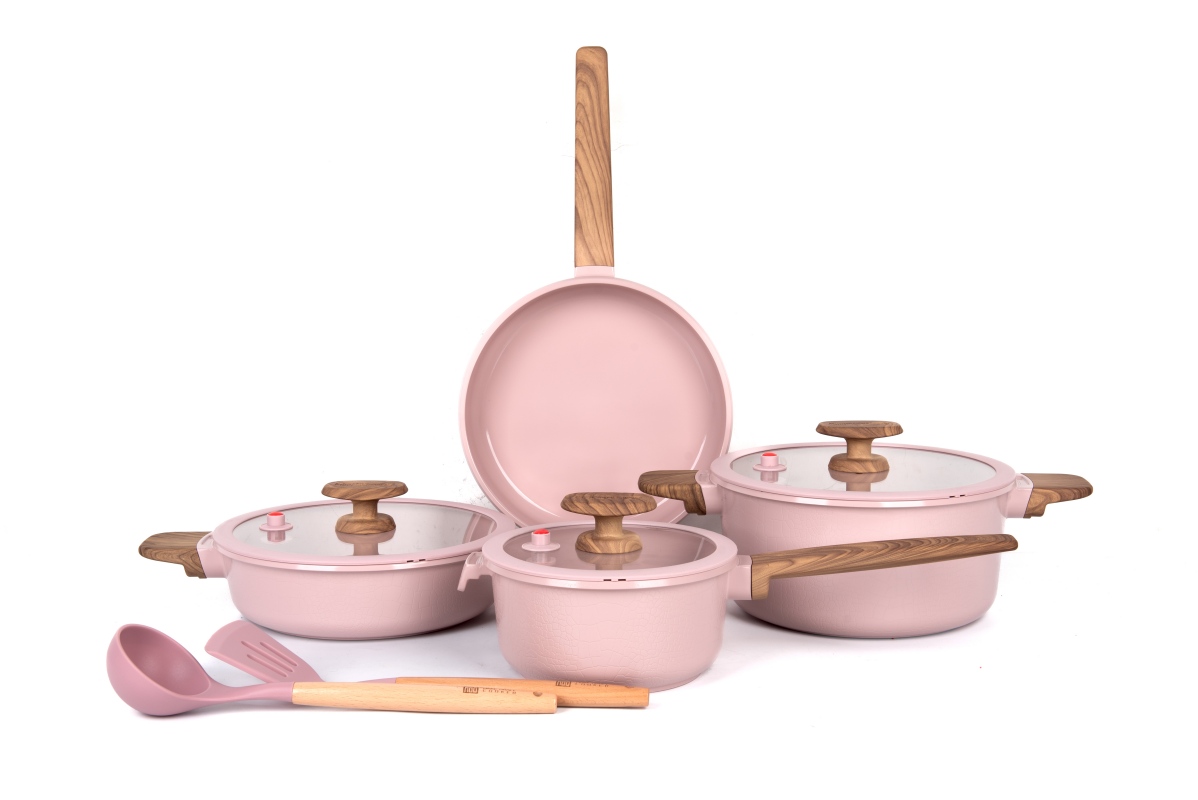
For a retailer or buyer assembling a cookware guide for customers, it also helps to offer the category as part of a system. MGC serves cookware buyers and distributors with a range of cookware types and sizes, so the practical conversation can focus on matching each pan to a use case rather than claiming that one material solves every kitchen need. That balanced approach makes it easier to set expectations around both convenience and longevity.
Bottom line: ceramic cookware is it safe?
Ceramic cookware is it safe? In ordinary use, a reputable product intended for food contact and used according to its instructions can be a reasonable everyday choice. The better question is whether the exact piece is appropriate for your cooking style and still in sound condition. Ceramic-coated nonstick offers easy release and approachable cleanup, but it asks for moderate heat, gentle tools, and realistic expectations about wear.
Choose it for the jobs it does well, maintain it with care, and do not use a broad safety claim as a substitute for checking construction, instructions, and product condition. That is the most useful way to balance ceramic cookware benefits with everyday limits.