EN
Why Should You Choose High Quality Nonstick Cookware?
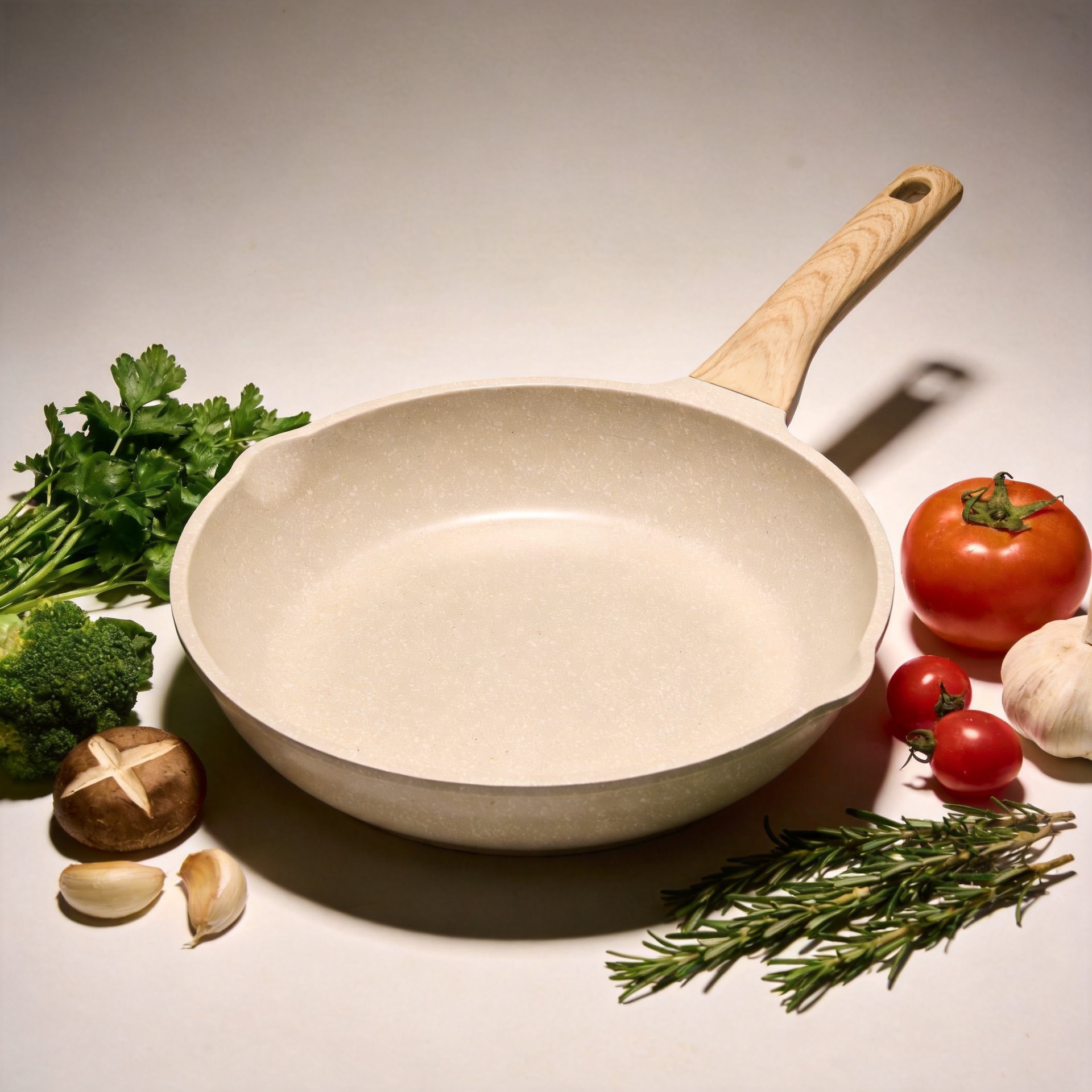
Choosing nonstick cookware is not simply a matter of making cleanup easier. A well-made pan can make eggs release cleanly, help delicate fish stay intact, and make everyday meals feel less demanding. A poorly made pan may look similar on the shelf, yet lose its release performance early, heat unevenly, or develop a loose handle. For households, retailers, and distributors, that difference directly shapes value, returns, and the overall cooking experience.
From a cookware-quality perspective, the useful question is not “Which pan has the loudest claim?” It is “What visible and verifiable signs show that this pan was built for regular use?” High quality nonstick cookware combines a sound body, a carefully applied durable coating, stable hardware, and realistic care guidance. Those pieces work together; no single label can replace them.
Better release performance starts with better construction
Nonstick performance depends on more than the top surface. The pan body needs to heat predictably, remain flat on the cooktop, and support the coating evenly across the cooking area and sidewalls. If the base heats in concentrated hot spots, food can burn in one area while another area lags behind. That makes the coating seem ineffective even when the root problem is uneven heat distribution.
When comparing kitchen products, inspect the overall build rather than judging by color or packaging. A smooth interior finish, an evenly covered rim-to-wall transition, and a flat base are practical signs to investigate. They do not prove every performance claim by themselves, but they help buyers distinguish thoughtful cookware quality from a purely cosmetic presentation.
For distributors, construction consistency matters just as much as an individual sample. A receiving check should compare several units from the same batch: look at coating coverage, base flatness, handle alignment, lid fit where applicable, and finish consistency. A dependable supplier should be able to discuss the inspection approach used for the production batch, not only show a polished sample.
A durable coating protects the value of everyday cooking
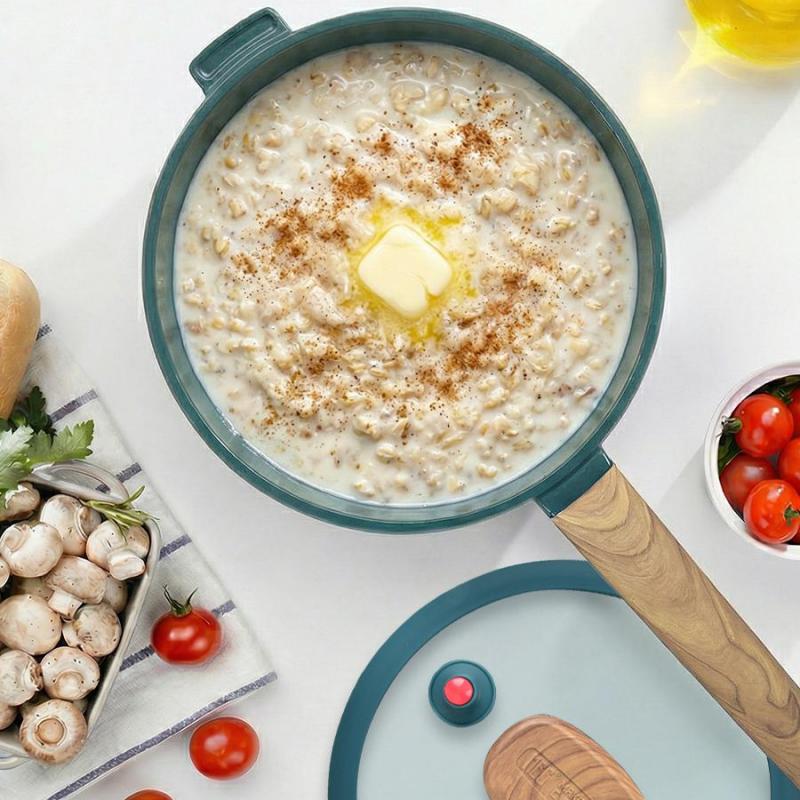
A durable coating is valuable because it keeps routine cooking practical for longer. It supports low-oil meals, easier release of eggs or pancakes, and faster cleanup after busy weeknight cooking. But durability should be described honestly. Nonstick cookware is a use-and-care product, not an indestructible surface. Repeated overheating, abrasive scouring, and sharp metal utensils can shorten the useful life of even a better-made coating.
That is why a high-quality option should pair performance with usable care instructions. Consumer guidance on nonstick pans consistently cautions against excessive heat and harsh cleaning methods. In practical terms, use a moderate heat setting for the task, avoid preheating an empty pan for too long, let the pan cool before washing, and choose silicone, nylon, or wood utensils where the maker recommends them. These habits protect a durable coating while helping the cook get the easy-release benefit they paid for.
Care guidance should not be used to excuse early failure. If a surface flakes, the pan warps, or a handle becomes unstable under normal use, buyers should ask whether the construction and quality-control process met the intended application. Reliable kitchen products make care straightforward; they do not require a consumer to guess how to avoid damaging them.
High quality nonstick cookware improves heat control
A pan that distributes heat more evenly gives the cook more control. That matters for pancakes, sautéed vegetables, sauces, and delicate proteins, where a small temperature difference can change the result. A stable, flat base also helps the cookware sit properly on the heat source instead of rocking or losing contact. The benefit is not only visual: it reduces frustration and makes the cooking experience more repeatable from meal to meal.
For buyers evaluating nonstick cookware, ask practical questions:
- Does the base appear flat and substantial enough for the intended stovetop?
- Is the cooking surface evenly finished, including the curved sidewalls?
- Is the handle securely attached and comfortable to control when the pan is loaded?
- Are the claimed stove compatibility, oven use, and dishwasher suitability stated specifically rather than broadly?
- Can the seller explain which utensils and heat levels are appropriate for that item?
Specific answers are more useful than generic promises. For example, compatibility should be confirmed for the actual SKU and heat source instead of assumed because another pan in a collection works on induction.
Safety and documentation deserve the same attention as performance
Food-contact cookware should be evaluated with documentation in mind. In the United States, regulations such as 21 CFR 177.1550 address certain perfluorocarbon resins used in repeated food-contact applications under defined conditions. That reference is not a blanket approval for every finished pan, and it is not proof of compliance for a product without supporting records. It does show why buyers should request relevant food-contact documentation for their destination market rather than rely on a marketing phrase alone.
This due diligence is especially important for importers and distributors. Ask what materials are used, what market requirements the product is intended to meet, and what records can be supplied for the exact product line. Avoid turning “PFOA-free,” “food safe,” or “tested” into assumptions. A credible manufacturer should clarify what a claim applies to and what documentation is available.
Why quality pays off for retailers and distributors
For a retailer, high quality nonstick cookware can protect shelf confidence. Fewer avoidable complaints about sticking, warped bases, loose handles, or inconsistent finish help preserve customer trust. For a distributor, the value is broader: repeatable batch quality, a coherent product assortment, export-aware packaging, and clear communication reduce friction during replenishment and after-sales support.
MGC is a cookware manufacturer serving distributors with die-cast aluminum non-stick cookware and kitchen tools. Its practical value proposition is relevant to buyers who need a mid-range option between disposable commodity goods and inaccessible premium imports. Still, each buyer should evaluate the specifications, documentation, sample quality, and commercial terms for the exact products being considered. That approach makes a sourcing decision more durable than choosing on price or appearance alone.
Choose for the kitchen you actually have
The right nonstick cookware is the option that matches real cooking habits. A small household may value a lightweight everyday fry pan; a family kitchen may need a larger sauté pan or casserole; a retailer may need a consistent range of sizes and colors. Start with the meals, heat source, storage space, and expected frequency of use. Then compare construction, coating care, handle security, and supplier documentation against those needs.
High quality does not mean the most elaborate claim or the highest price. It means the product is designed and checked to perform its intended job reliably, while the buyer receives enough clear information to use and sell it responsibly. When those fundamentals are present, nonstick cookware becomes a helpful everyday tool rather than another item that needs replacing too soon.
Frequently asked questions
How can I tell whether nonstick cookware is high quality before buying?
Look for even coating coverage, a flat stable base, secure handle construction, specific compatibility information, and clear care instructions. For wholesale purchases, inspect multiple samples or units and request product-specific documentation.
Does a durable coating mean I can use high heat and metal utensils?
No. A durable coating can improve everyday wear resistance, but recommended heat limits and utensil guidance still apply. Moderate heat and suitable utensils help preserve nonstick performance.
Why is food-contact documentation important for cookware?
Documentation helps buyers assess whether a specific product is appropriate for its destination market and intended use. Ask for records relevant to the exact SKU rather than relying only on general marketing language.