Non-Toxic Bakeware Guide: Safe Materials & Buying Tips

Get up to 35% off + Free shipping Shop now

Call Us:+86-579-86903988

Customer Priorities for Non Toxic Bakeware

Customer Priorities for Non Toxic Bakeware

Non toxic bakeware is a popular search for shoppers who want to understand the materials that come into contact with food during baking. A responsible buying decision starts with checking the product's construction, surface coating, temperature limits, and manufacturer care instructions. Glass, ceramic, and metal bakeware each have different properties, so the best choice depends on the recipe and intended use. For example, a family preparing weekly casseroles may prioritize easy cleaning and clear oven safety guidance, while a retailer may compare material options across several product categories. Transparent specifications help buyers make informed choices without relying on broad or unverified safety claims.
Get A Quote

Case Study

Selecting Bakeware for Family Kitchens

Families preparing cookies, roasted vegetables, and casseroles often want bakeware with clearly identified materials and straightforward care instructions. When comparing products, shoppers should check whether the item is glass, ceramic, aluminum, or another material, then review any coating details and maximum operating temperature. For example, a household baking twice a week may prefer dishes that fit its oven, suit its recipes, and can be cleaned using the recommended method. Labels such as non toxic should not replace specific product information. Reviewing manufacturer documentation and following usage instructions help families select bakeware that matches their practical needs and expectations.

Building Transparent Retail Bakeware Collections

Kitchenware retailers can make product comparisons easier by organizing bakeware according to material, dimensions, intended use, and care requirements. Customers searching for non toxic bakeware may want to understand differences between glass dishes, ceramic pans, and metal trays before purchasing. For example, an online store can provide separate product details for oven temperature limits, surface finishes, and cleaning guidance. Retail teams should verify these details with suppliers rather than relying on generalized safety descriptions. Accurate specifications can improve product education, help shoppers compare options, and reduce confusion about appropriate use. Clear product pages are particularly valuable when customers cannot inspect bakeware in person.

Reviewing Bakeware for Food Service Operations

Cafés, bakeries, and catering teams need bakeware suited to their recipes, equipment, and cleaning routines. Buyers evaluating products should confirm material composition, temperature limits, durability information, and any restrictions related to commercial use. For instance, a café preparing baked desserts each morning may compare several dish types based on capacity, handling, storage, and cleaning requirements. A non toxic label alone does not establish suitability for every application. Purchasing teams should request relevant product documentation and follow manufacturer instructions when selecting and using bakeware. This approach supports informed procurement and helps businesses match kitchenware to their daily production and service needs.

Related products

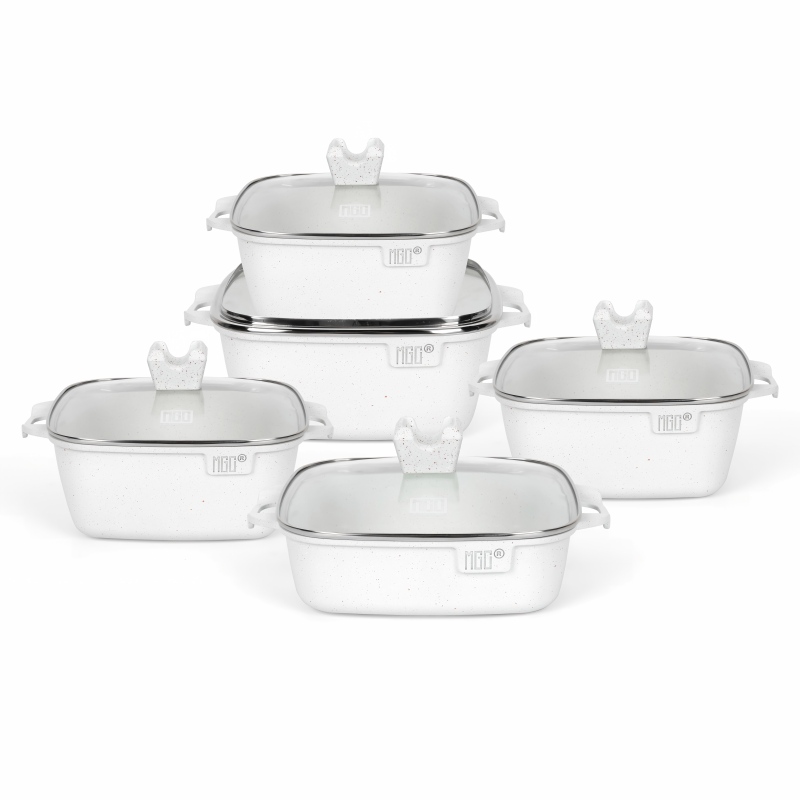
Non toxic bakeware describes a product category that shoppers often explore when considering materials and coatings used in food preparation. However, the phrase alone does not establish that a product is free from every potentially harmful substance. Buyers should review the actual material composition, coating details, temperature limits, and manufacturer documentation before choosing bakeware. Glass, ceramic, and metal options differ in weight, heat transfer, durability, and maintenance requirements. For example, a retailer serving home bakers may offer several materials so customers can compare dishes for cakes, cookies, and oven baked meals. MG Cookware provides a website for buyers exploring cookware products and related kitchenware options. Businesses considering a purchase should confirm product specifications, available designs, packaging, and order requirements directly with the supplier. Clear documentation and correct use are more meaningful than broad marketing claims. Selecting products according to their intended application helps consumers and commercial buyers make practical, informed decisions.

Frequently Asked Questions

What materials are commonly considered when shopping for non toxic bakeware?

Buyers often compare glass, ceramic, and metal bakeware based on material composition, surface finish, and intended use. No material should be assumed automatically safer in every situation. Review the manufacturer's specifications, temperature limits, and care instructions to choose products appropriate for your cooking needs.
Ceramic bakeware may appeal to consumers who prefer a nonmetallic baking surface, but safety depends on the product's composition, glaze, and manufacturing quality. Buyers should review relevant compliance documentation and intended-use instructions. Avoid assuming that every ceramic product has identical properties simply because it shares the same material category.
Food contact compliance means that materials are assessed or authorized for specified conditions of use under applicable requirements. In the United States, the FDA regulates relevant food contact substances and evaluates factors such as potential migration into food. Buyers should verify documentation for the specific product and intended application.
Request material specifications, coating information, relevant test reports, and compliance documents from the supplier. Check that the documents identify the correct product and intended conditions of use. Broad marketing terms alone are insufficient to establish product safety, so purchasing teams should assess the supporting evidence before placing orders.
Retailers should evaluate product materials, dimensions, oven temperature limits, surface finishes, packaging protection, and supplier documentation. They should also confirm minimum order quantities, available designs, and labeling requirements. Providing accurate specifications on product pages helps customers compare bakeware options and make more informed purchasing decisions.

Related article

New National Agency Established

28

Jul

New National Agency Established

Just launched: exclusive national agency in Kazakhstan with Almaty wholesale center. Streamline distribution, cut logistics costs, and scale market access. Request partnership details now.
View More
New Market Promotion

25

Aug

New Market Promotion

Struggling to demonstrate product value? Face-to-face customer engagement drives 3.2x higher conversion in B2B markets. Discover proven field promotion tactics now.
View More
How to Choose the Right Cookware Set Material for Better Cooking Results?

14

Sep

How to Choose the Right Cookware Set Material for Better Cooking Results?

Discover how to choose the right cookware set material — aluminum, stainless steel, or non-stick — to match your cooking style and improve results.
View More
How to Extend the Lifespan of Your Cookware Through Proper Use?

18

Sep

How to Extend the Lifespan of Your Cookware Through Proper Use?

Learn how to extend the lifespan of your cookware through proper use, smart cooking habits, cleaning methods, and everyday kitchen care tips.
View More

Customer Testimonials

Emily Carter

Choosing non toxic bakeware starts with clear material information and care instructions. For everyday cookies, cakes, and casseroles, shoppers value transparent specifications and practical guidance for safe, appropriate use.

Daniel Brooks

Retail buyers need reliable product specifications when comparing bakeware collections. Clear details about materials, coatings, temperature limits, and cleaning help customers select products suited to their cooking routines.

Get a Free Quote

Our representative will contact you soon.
Email
Mobile/WhatsApp
Name
Company Name
Message
0/1000
Transparent Materials and Product Information

Transparent Materials and Product Information

Clear product information is essential when shoppers search for non toxic bakeware. Retailers and distributors should communicate the material composition, surface finish, intended applications, and care requirements of each item. For example, an online store offering glass baking dishes and ceramic casserole pans can provide separate specifications to help customers compare the products accurately. Temperature limits and cleaning instructions should also be easy to find. Buyers sourcing several product types can request relevant documentation before finalizing their assortment. This approach supports more informed purchasing decisions and reduces reliance on vague marketing claims. Accurate descriptions help businesses build customer confidence while setting realistic expectations about product performance.
Bakeware Options for Different Cooking Applications

Bakeware Options for Different Cooking Applications

Different baking tasks call for different product characteristics. Glass dishes may suit selected casseroles and oven baked meals, while metal trays are commonly used for cookies, pastries, and sheet cakes. Ceramic dishes can offer an appealing presentation for suitable baked recipes. The right choice depends on product specifications, oven compatibility, handling requirements, and the intended cooking method. For example, a kitchenware retailer serving home bakers might organize its assortment by material, dimensions, and application. This makes comparisons easier for shoppers choosing bakeware for family dinners, dessert preparation, or everyday baking. Clear guidance helps customers select products that fit their routines and use them according to manufacturer instructions.