 EN
Cookware Overview
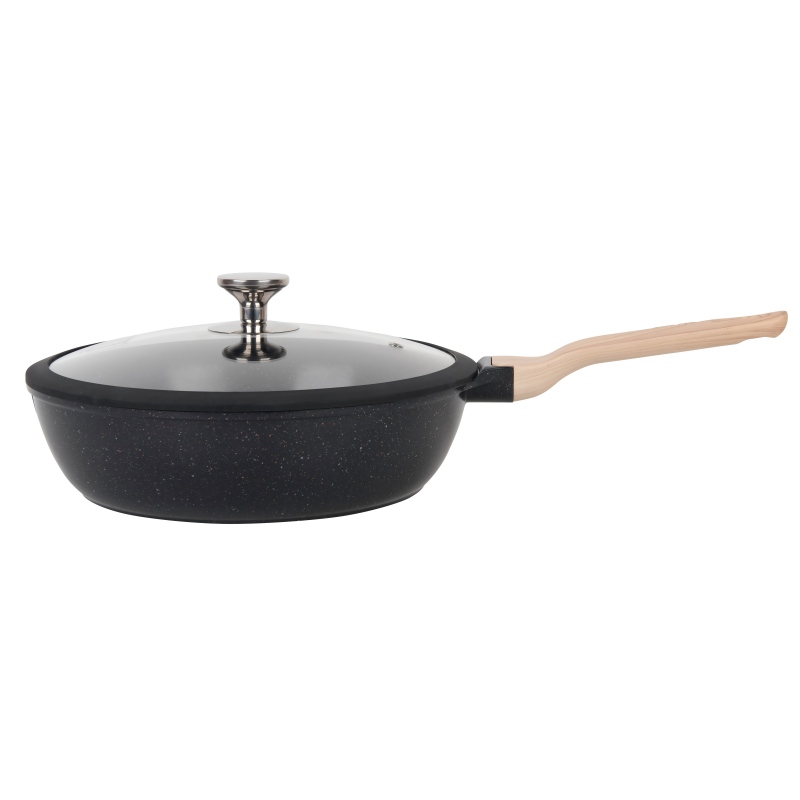
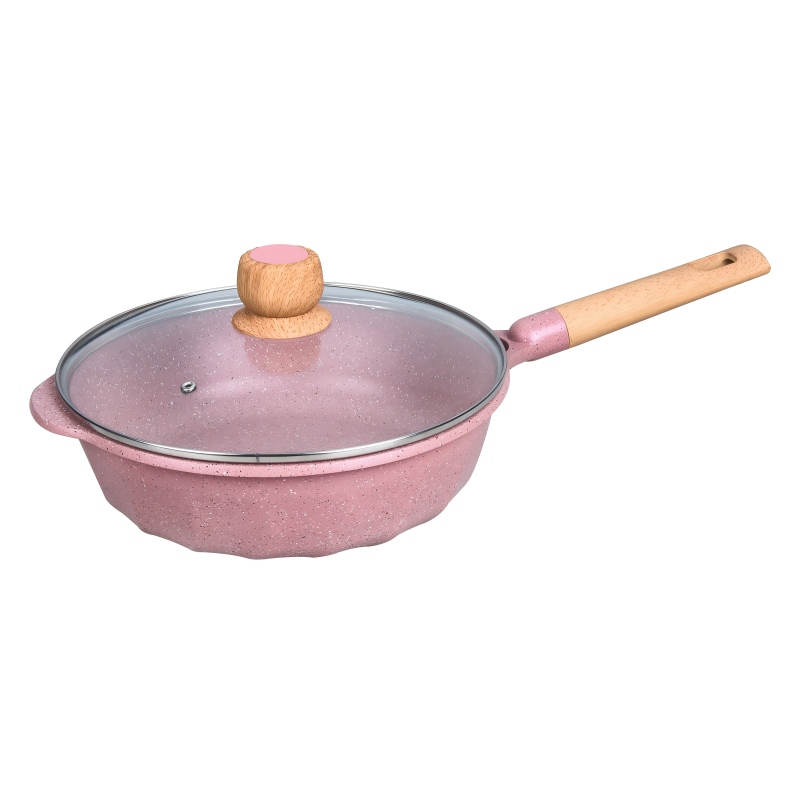
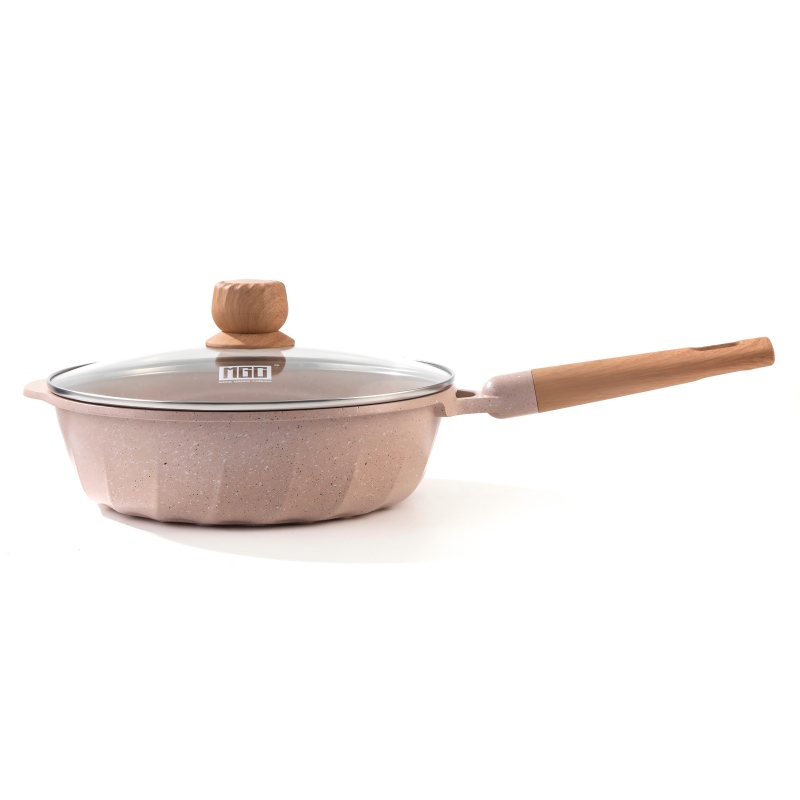
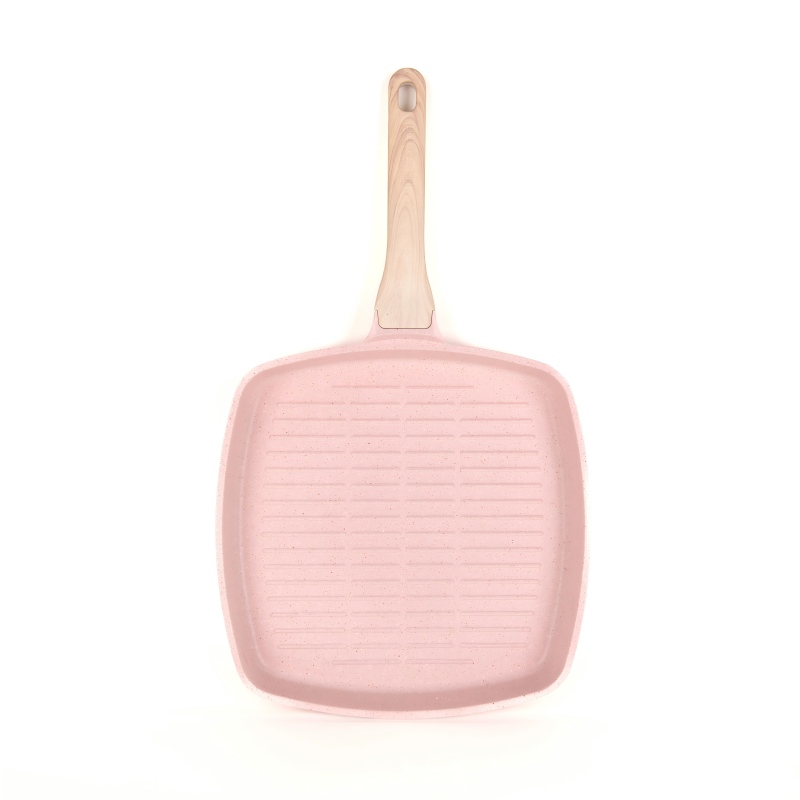
Cookware covers the full range of kitchen vessels used for stovetop and oven cooking — from frying pans and saute pans to stockpots, low casseroles, and complete multi-piece cookware sets. The MGC Cookware category brings together 20 cookware products spanning four design series — French-inspired, Russian-style, Textured Kalahari, and European — each cookware line developed for the cooking habits and practical expectations of households and operators in developing markets worldwide. As a cookware industry specialist, I find that the most critical factor is not price alone but how material selection and construction translate to consistent, day-to-day cookware performance.
Selecting the right cookware begins with understanding what you cook most often, because that determines the surface type, capacity, and form factor that will actually serve you. Many buyers arrive at a cookware category page feeling overwhelmed by the number of cookware options without a clear framework for narrowing them down. The answer lies in a small number of practical decision factors — material, coating type, capacity, and stovetop compatibility — rather than evaluating every cookware feature claim in isolation.
Key Cookware Product Features
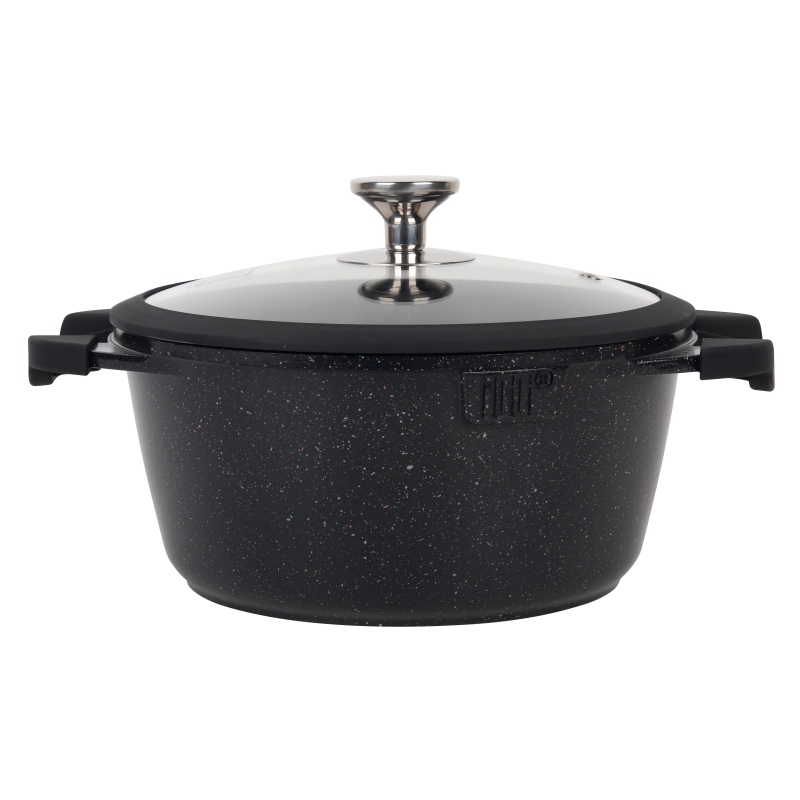
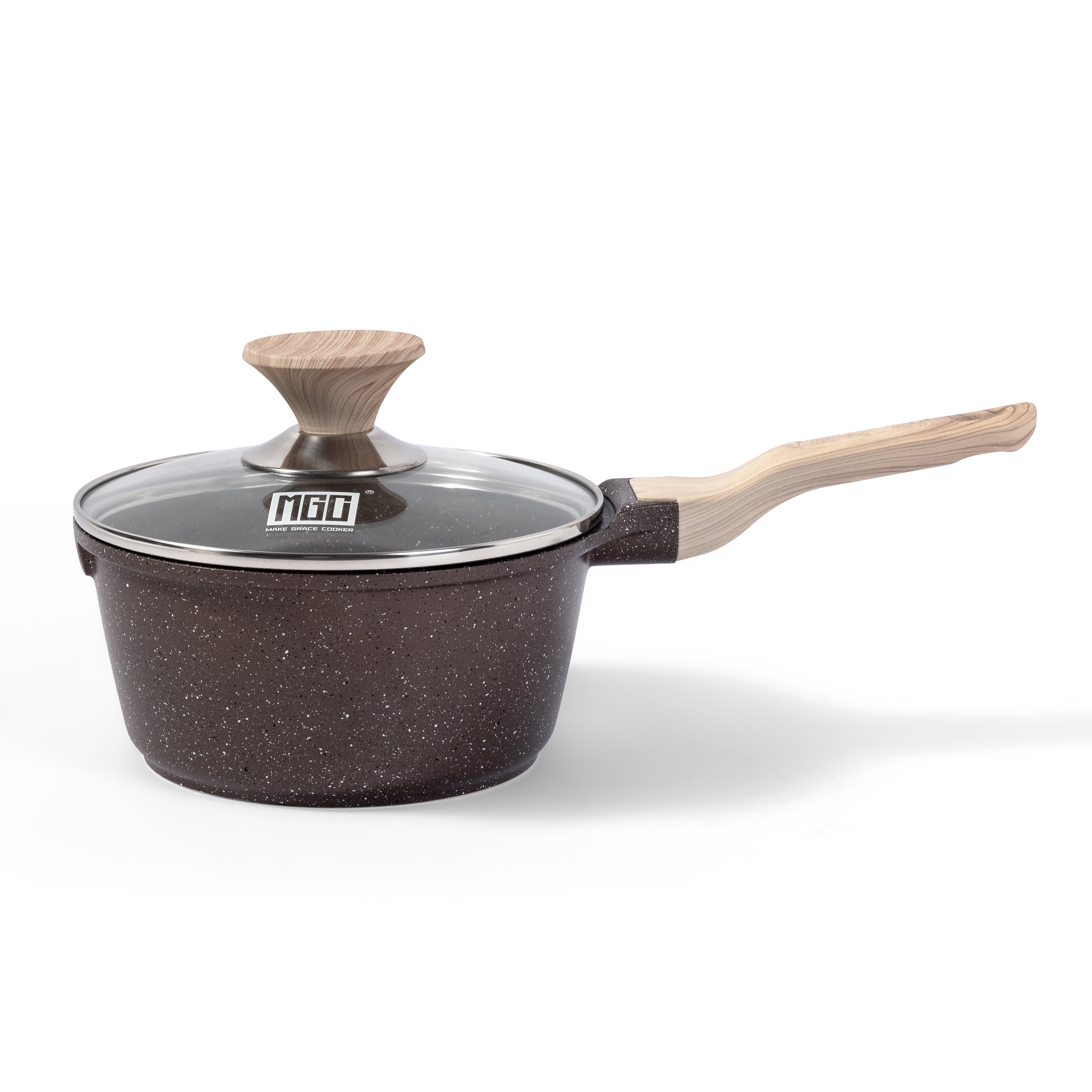
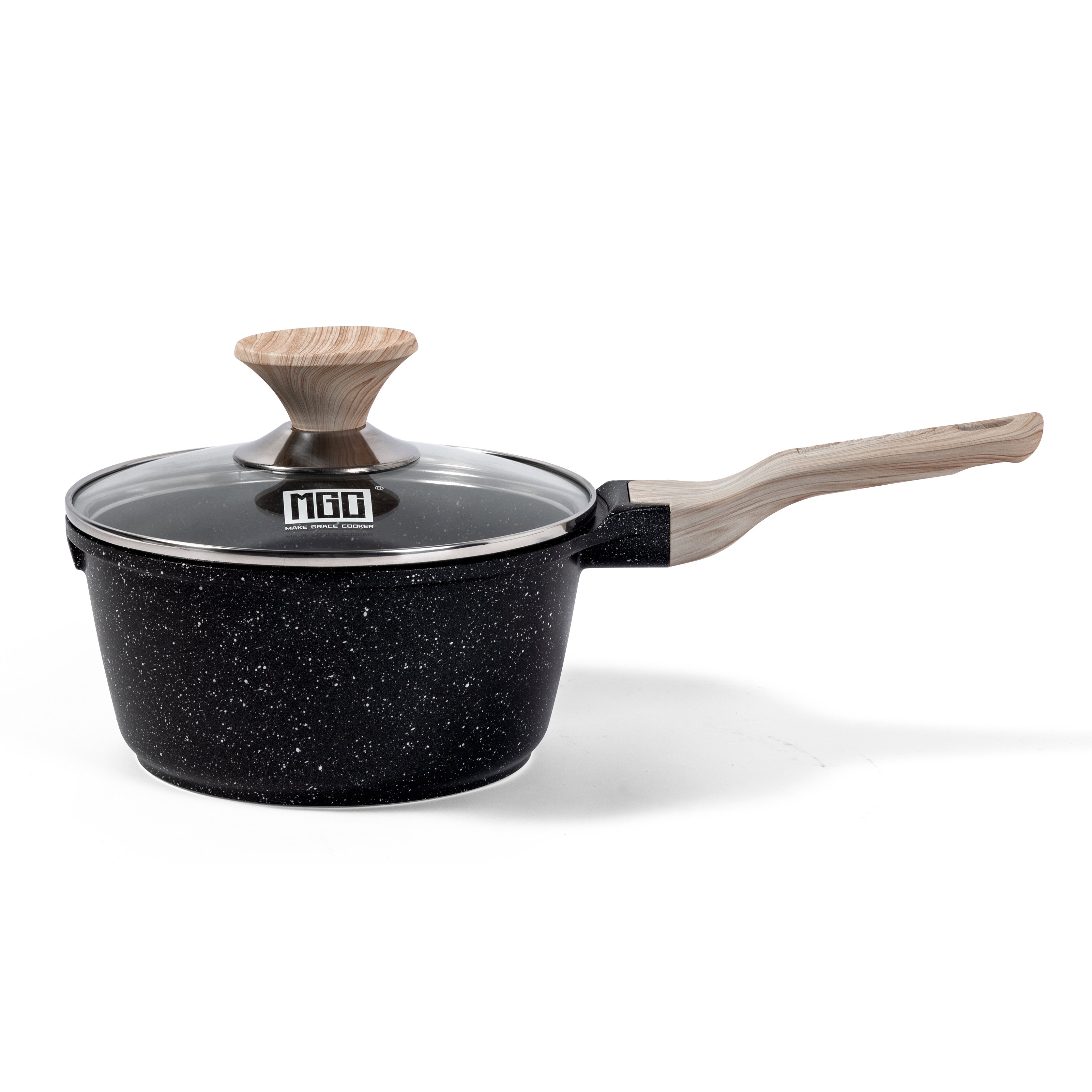
The MGC Cookware range is built around integrated die-cast aluminum construction — a manufacturing process that produces uniform wall and base thickness across every cookware unit in a batch. This consistency is the foundation of even heat distribution, which is the single most important performance factor in daily cookware use. You can often tell a great deal about a cookware pan base quality just by examining its weight-to-size ratio and how firm the base sounds when tapped — a dense, solid response indicates a thicker die-cast construction, while a hollow or light sound typically signals a thin stamped-aluminum base that is more prone to warping and uneven cooking results.
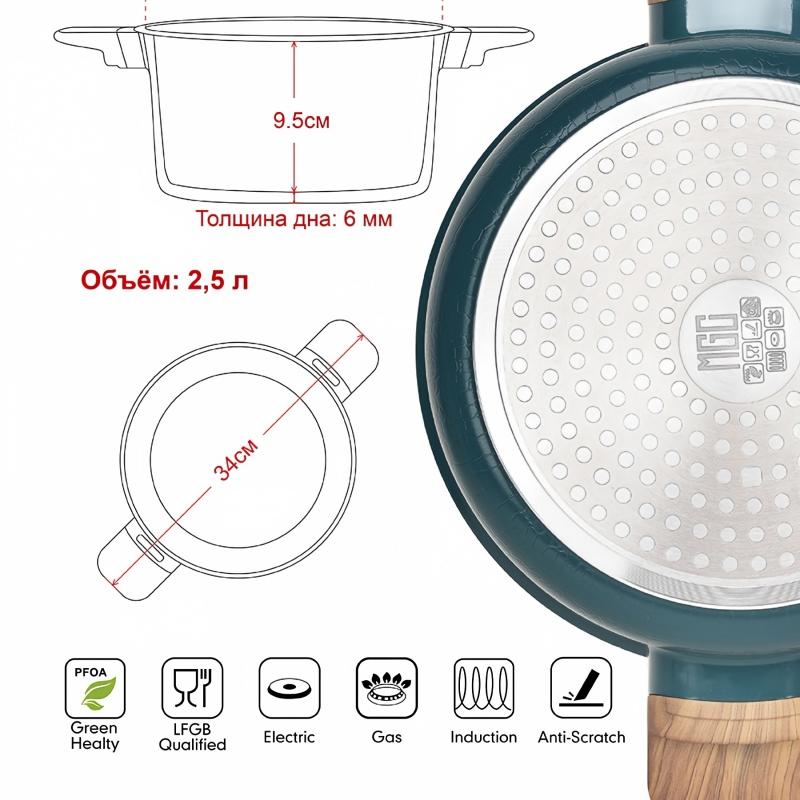
- PFOA-Free Non-Stick Coatings: All non-stick MGC Cookware products carry PFOA-free coatings designed to meet food contact safety standards in key export markets. Non-stick coating technology remains the most frequently evaluated feature in cookware purchasing across most consumer markets globally. Where applicable, cookware coating materials are intended to align with food contact safety frameworks — buyers should confirm the specific regulatory documentation relevant to their destination market, as standards such as FDA food-grade and LFGB apply to different regions.
- Ceramic Non-Stick Cookware Options: The Kalahari Textured and European cookware series feature PFAS-free ceramic non-stick interiors, offering a non-toxic cooking surface for health-conscious households. Ceramic coatings perform reliably at moderate heat and are particularly suited to buyers seeking cookware free of conventional PTFE-based coating chemistry.
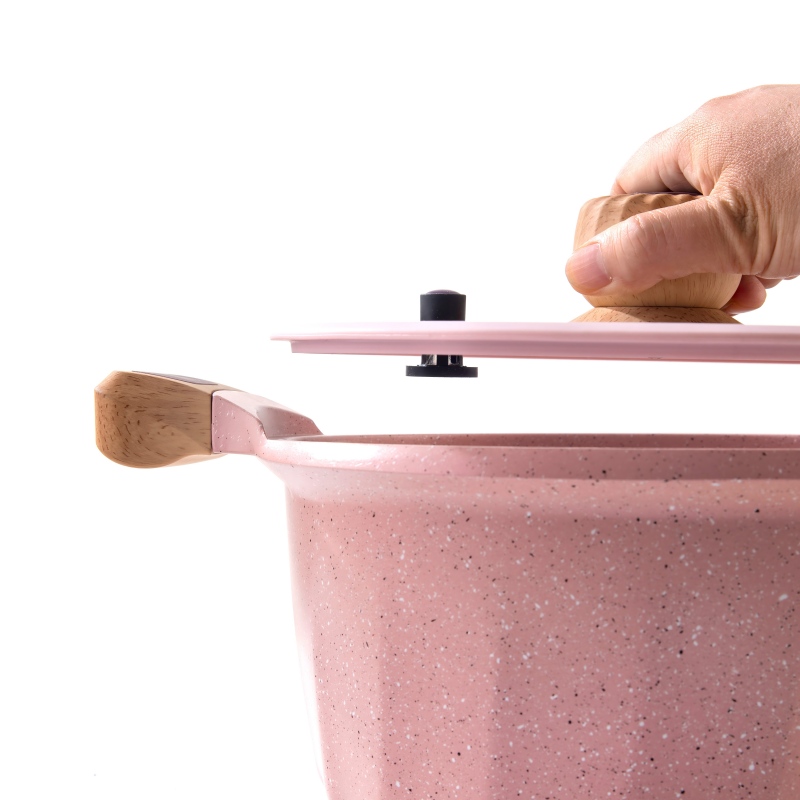
- Rigid Die-Cast Cookware Structure: The integrated die-cast process creates an anti-deformation cookware frame that withstands repeated high-heat cycles — a meaningful durability advantage over stamped aluminum, which can warp under thermal stress over time. The thickened base also improves heat storage for braising, simmering, and slow-cooking tasks common in diverse global cuisines.
- Capacity Range: The MGC Cookware line covers individual single-portion saute pans through 8-piece, 9-piece, 11-piece, and 13-piece complete cookware set configurations. This capacity and cookware size range supports both household buyers building a kitchen from scratch and wholesale distributors requiring full cookware assortments for retail shelf placement.
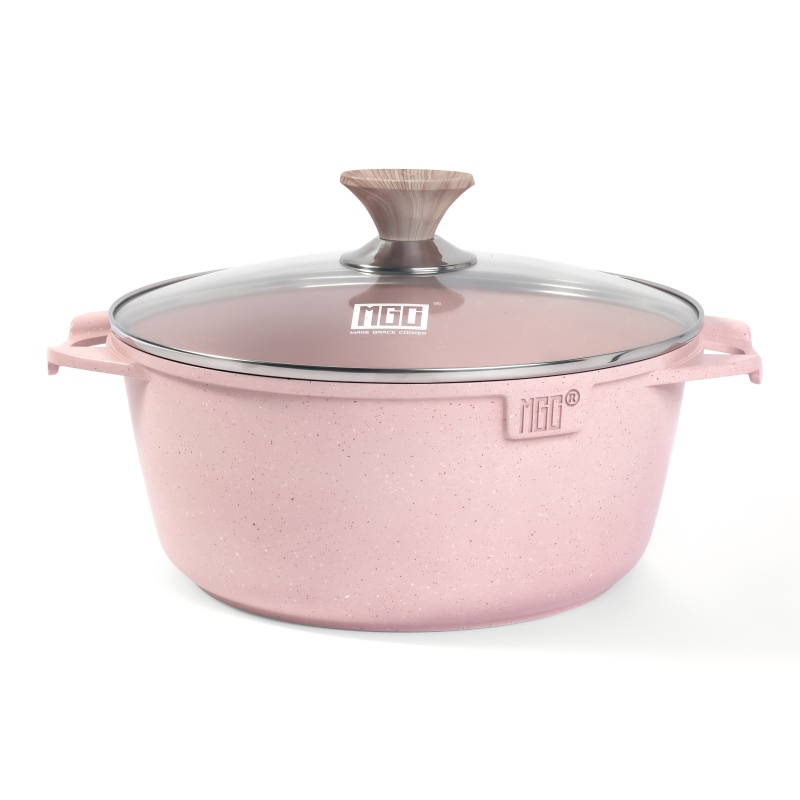
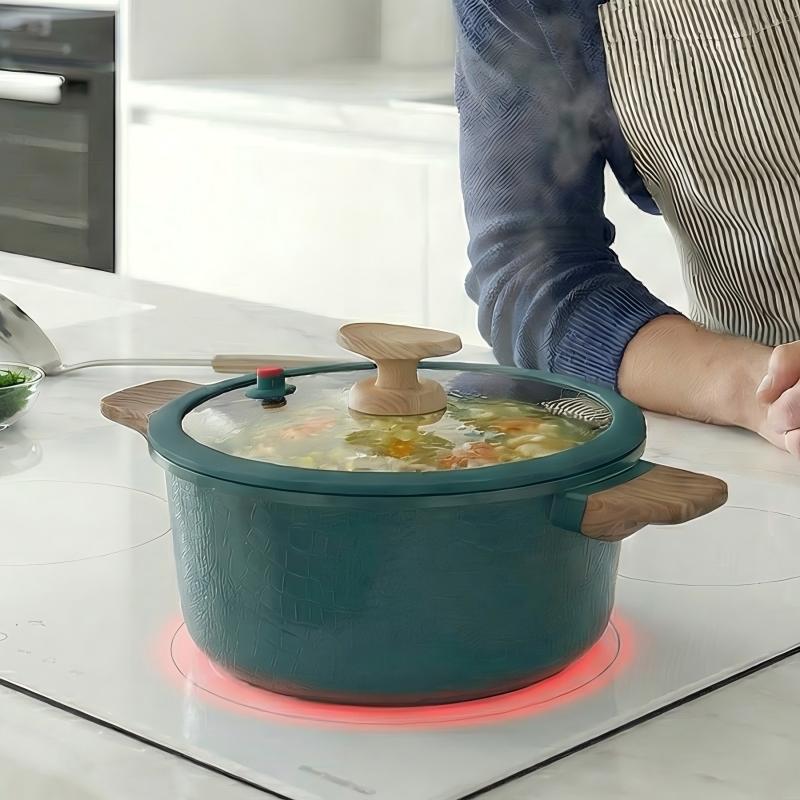
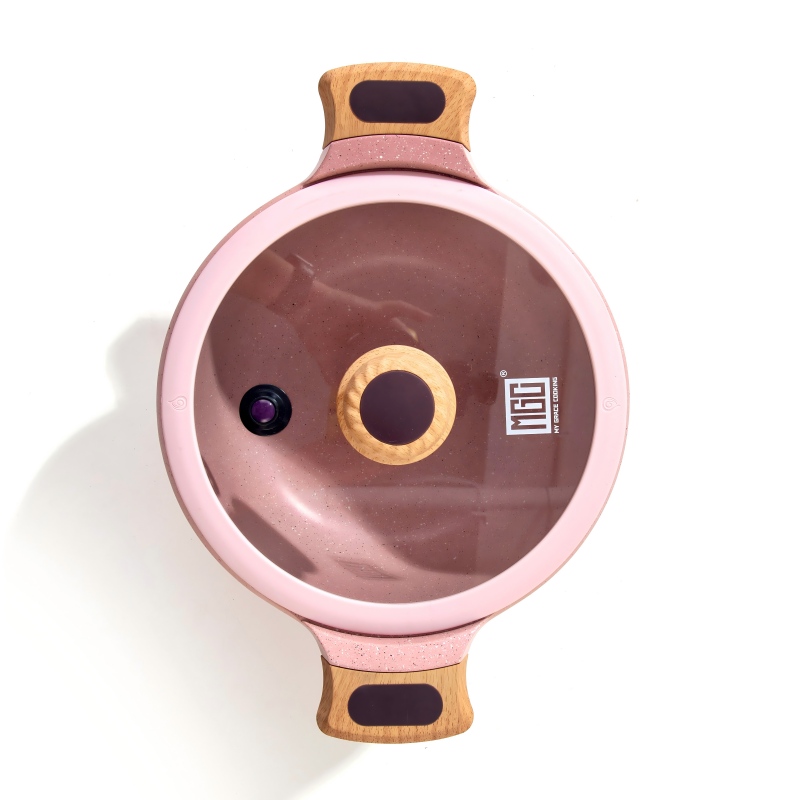
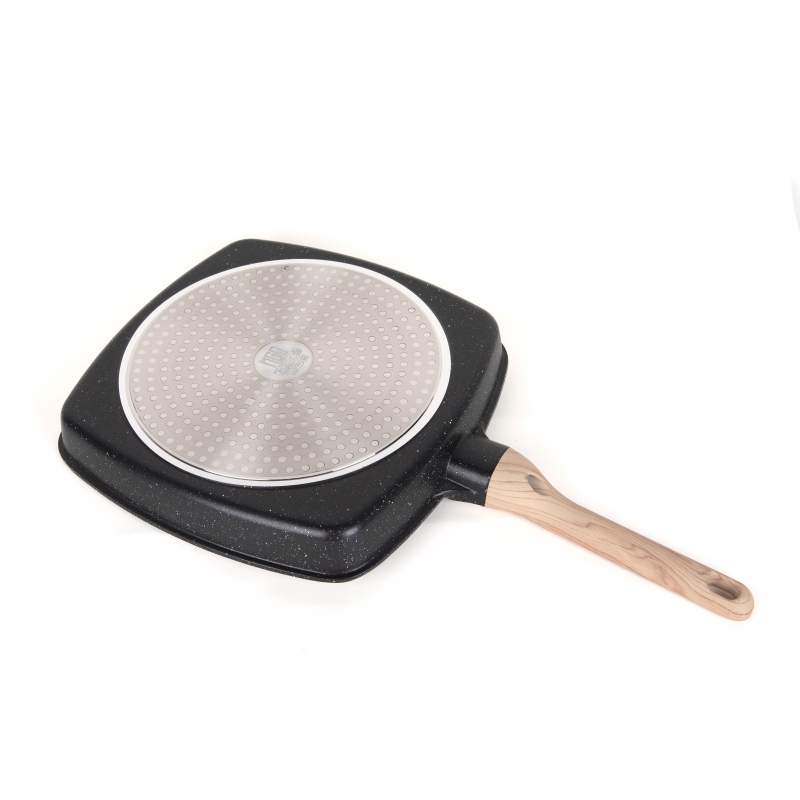
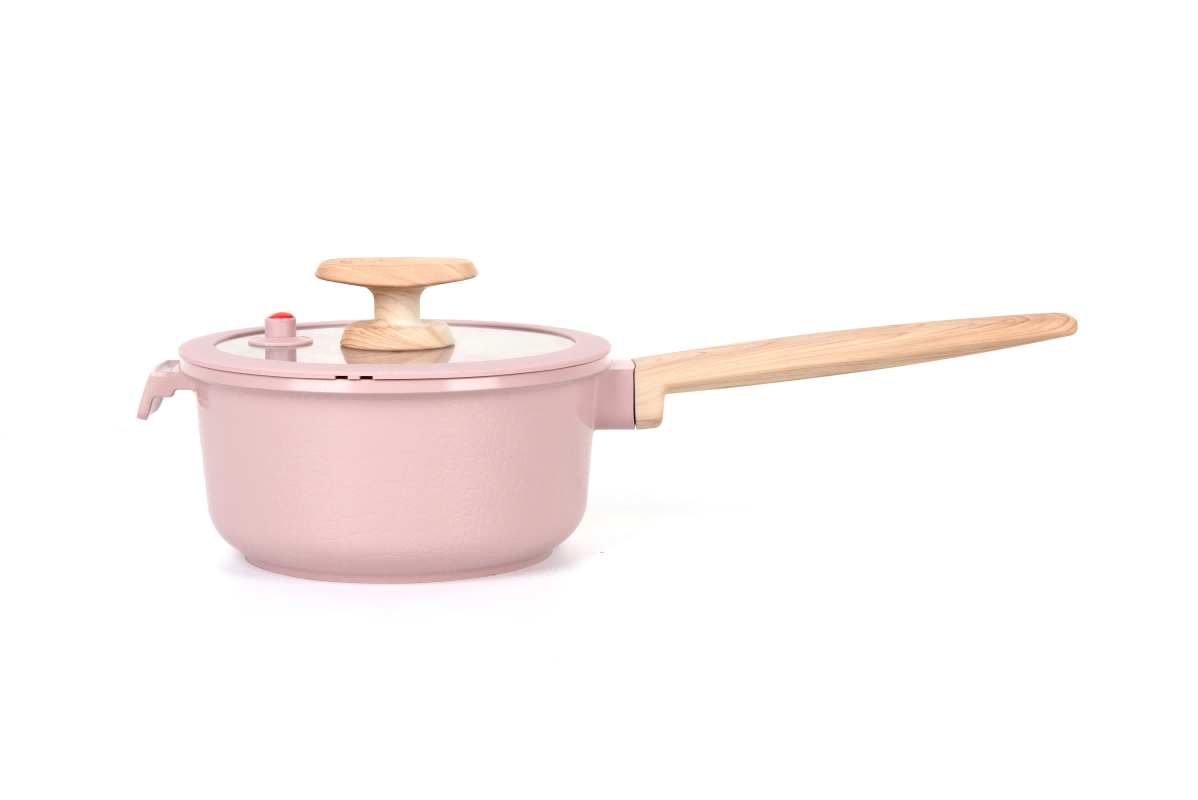
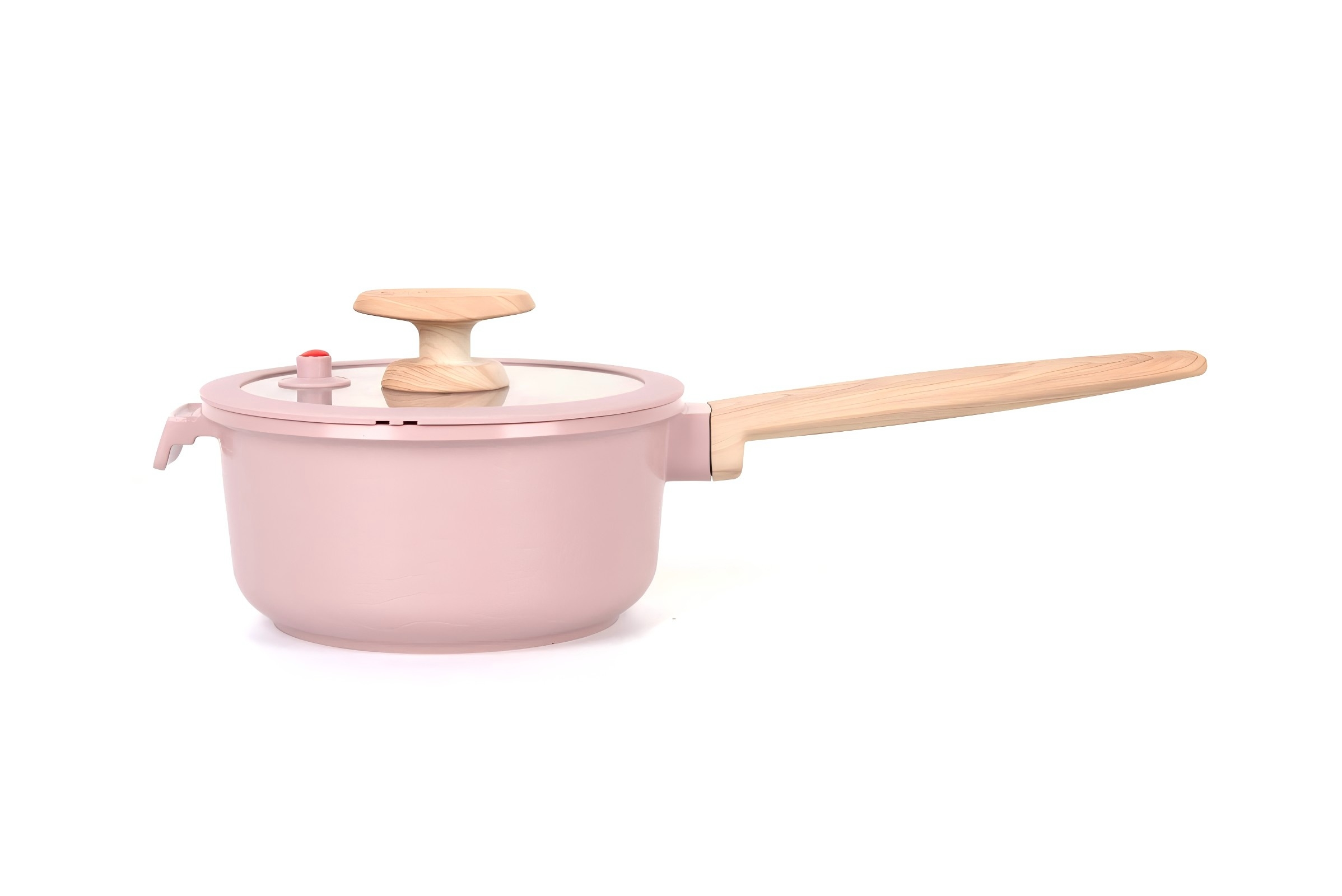
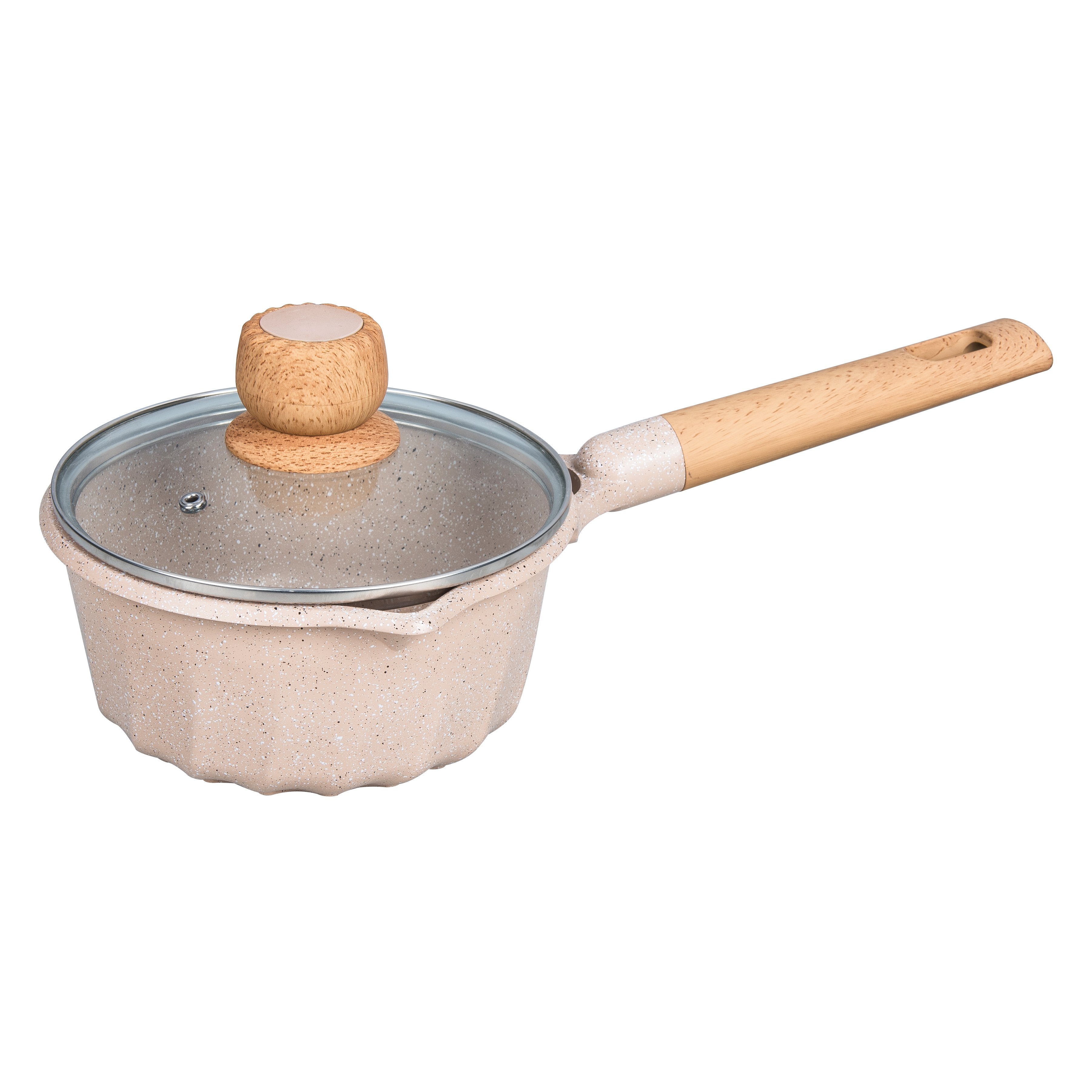
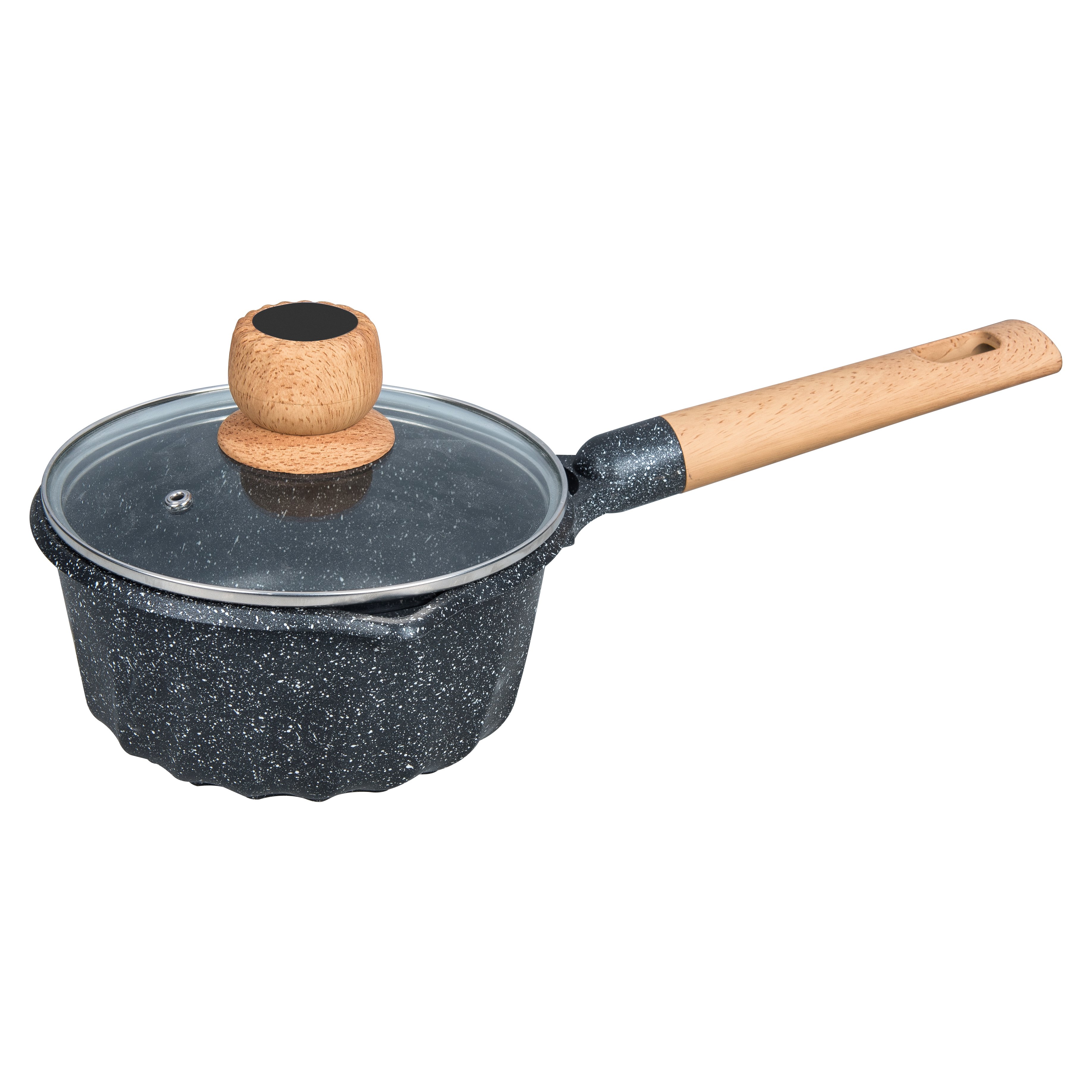
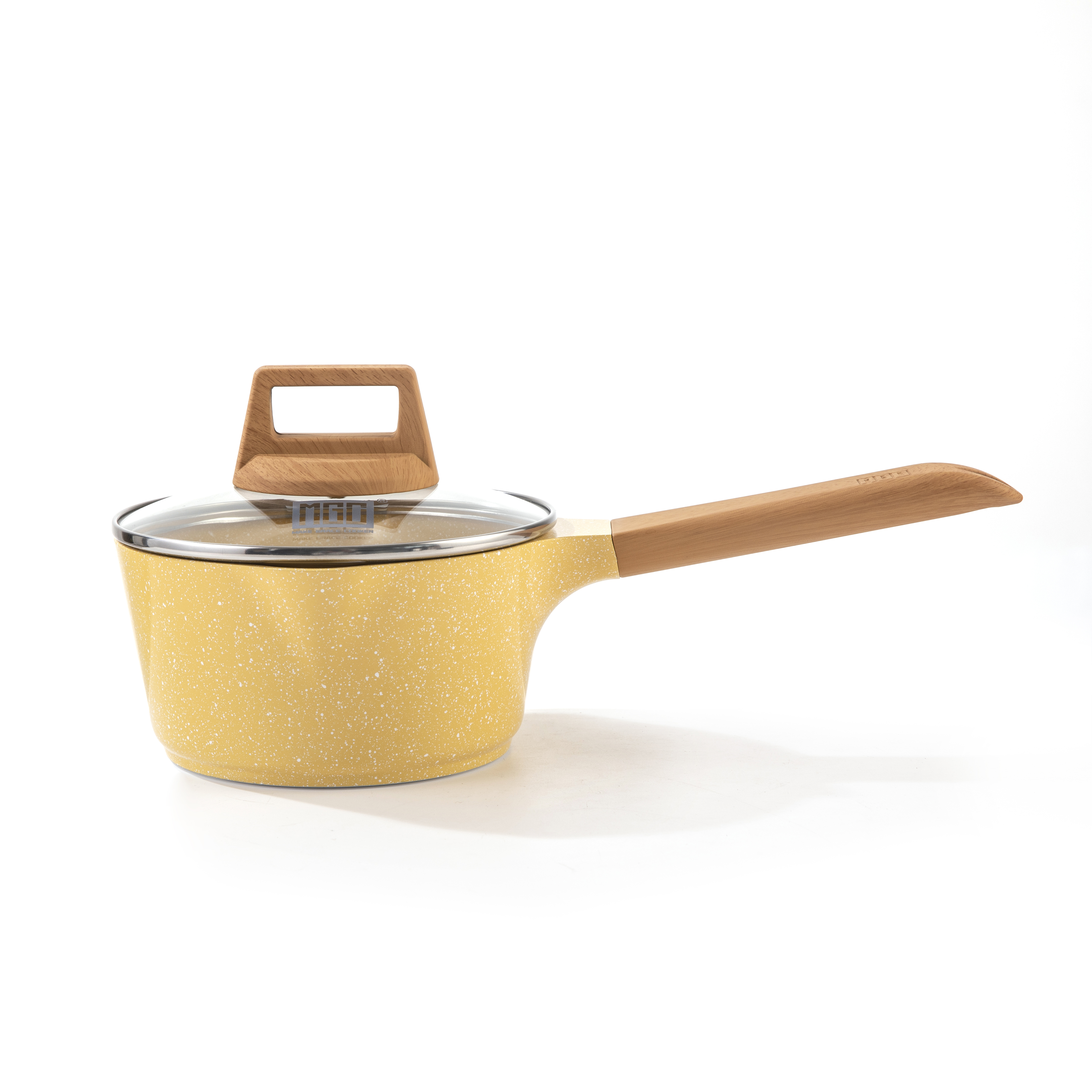
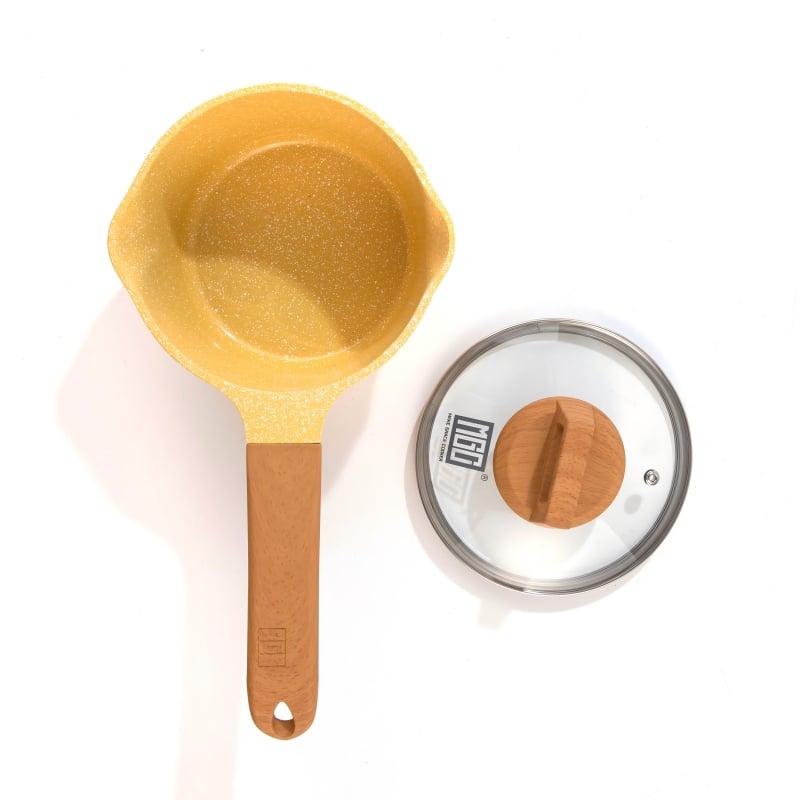
- Multiple Cookware Design Series: French-inspired soft curved silhouettes, Russian-style high-capacity round and square forms, Kalahari leather-like embossed finishes, and European all-ceramic cookware sets provide visual and functional variety suited to diverse regional cooking aesthetics and practical cookware preferences.
Cookware Applications
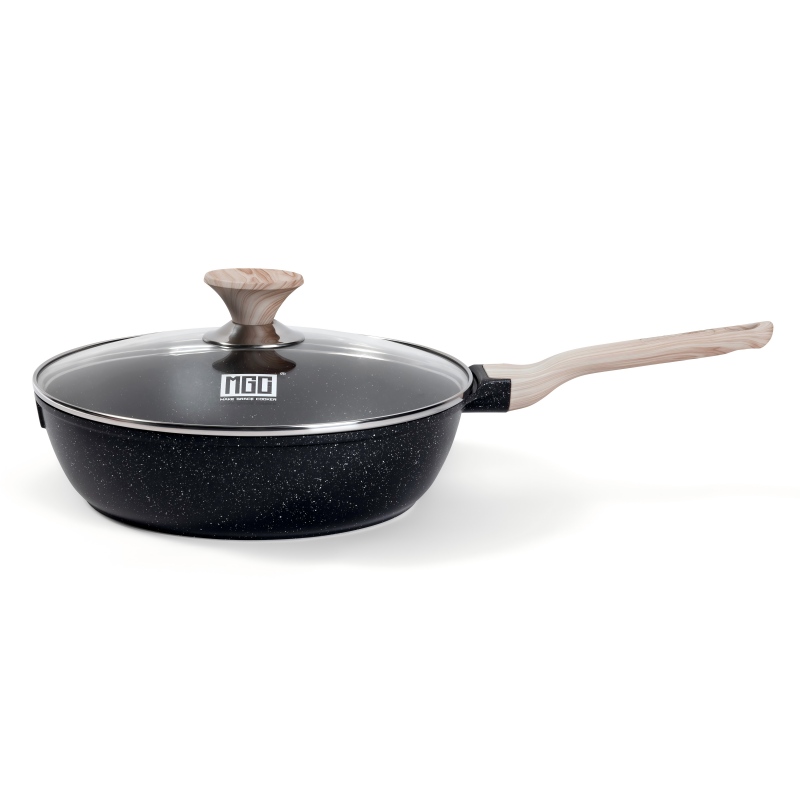
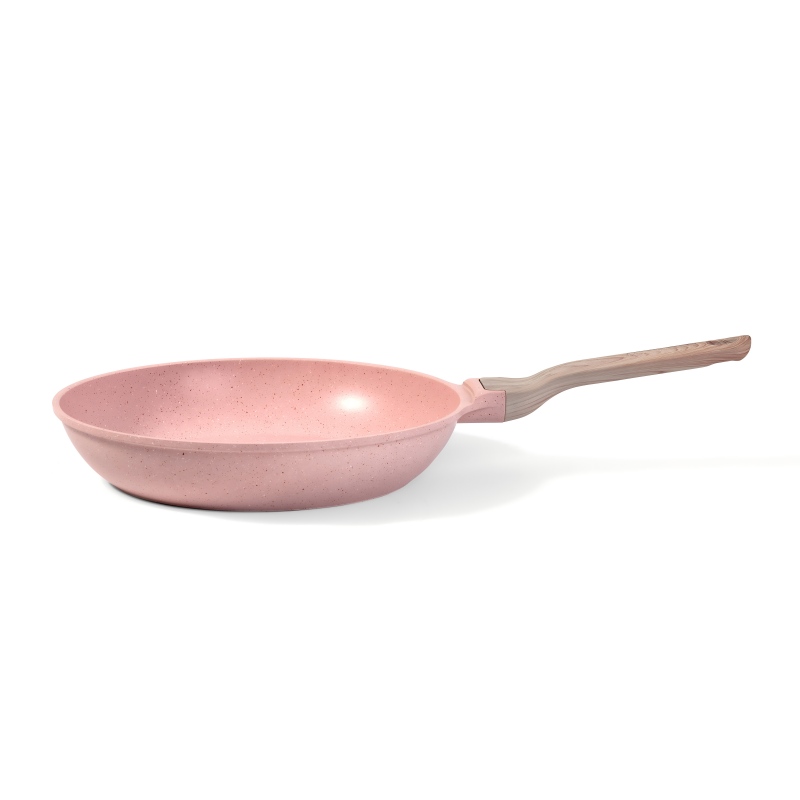
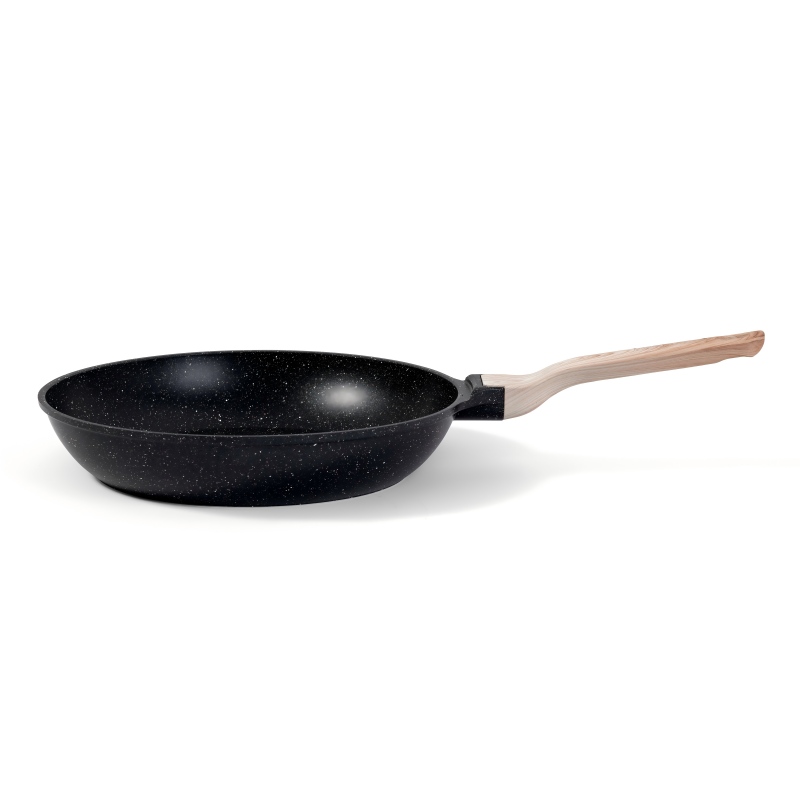
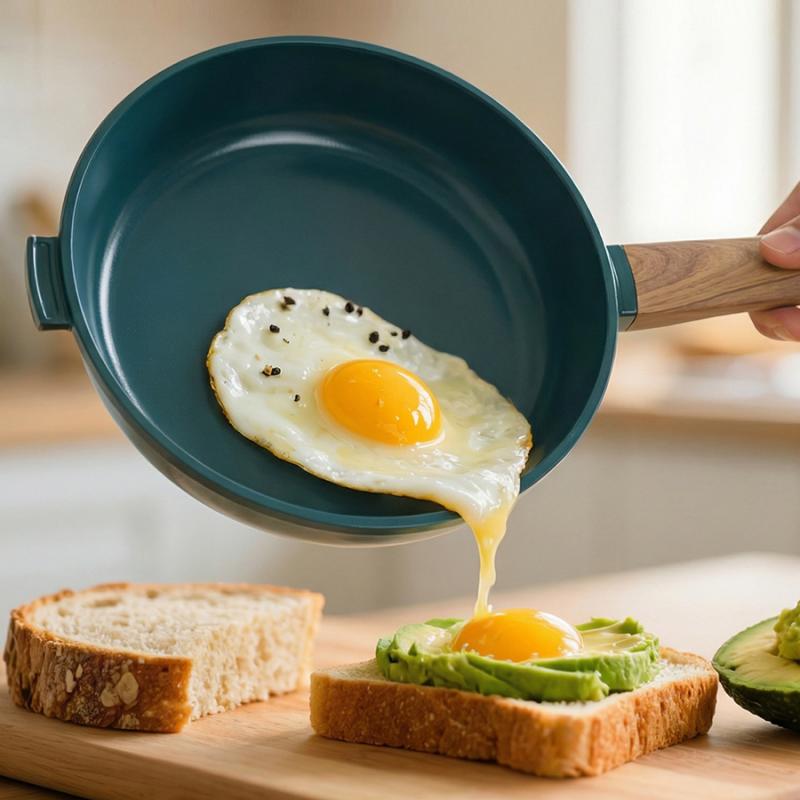
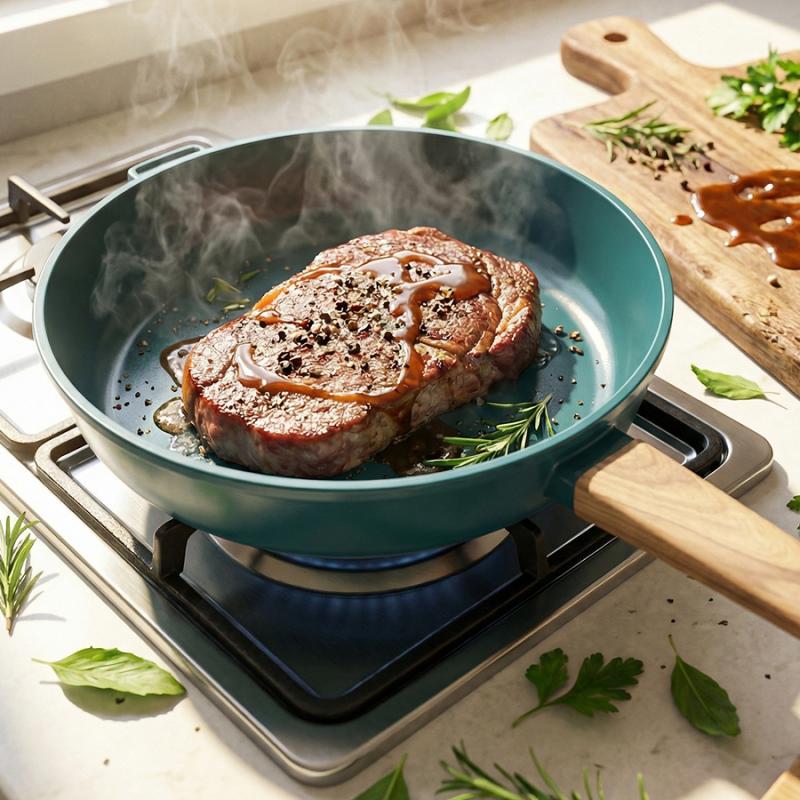
The MGC Cookware category serves a wide range of everyday cooking applications across residential, hospitality, and food-service contexts. Cookware frying pans handle daily egg cooking, shallow frying, and pan-searing. Saute pans with high sidewalls are well suited to braising, multi-step cooking, and lower-oil cooking where sidewall containment matters. Stockpots and low casseroles are designed for soups, stews, and extended simmering that are central to cooking traditions in Russia, Eastern Europe, and across sub-Saharan Africa.
In my experience evaluating cookware across both non-stick frying pans and die-cast casseroles, the saute pan format — particularly in the MGC Russian-Style and French-Style cookware series — is among the most versatile cookware pieces for a household kitchen. It transitions between a frying function and a braising vessel without requiring a separate pot, which matters practically when storage space is limited or when a complete meal requires fewer cookware pieces to prepare.
For wholesale distributors and retail operators, the complete cookware set configurations — the Russian 11-Piece and 13-Piece, the French 8-Piece and 11-Piece, the Kalahari 9-Piece, and the European 9-Piece — address the demand for shelf-ready cookware assortments that can be merchandised as complete kitchen starter kits. In developing markets where one-stop cookware sourcing is valued and buyer trust in new brands must be established through visual consistency, a matched cookware set reduces the credibility gap that individual mismatched cookware pieces often create.
How to Choose the Right Cookware
I used to evaluate cookware options based mostly on initial price — until it became clear that coating durability and base construction were what actually determined long-term cookware value. A slightly higher investment in die-cast cookware construction typically results in a longer service life and more consistent cooking performance than a stamped-aluminum cookware equivalent at a lower price point, even when both products carry a non-stick coating label.
When navigating the MGC Cookware range, a few decisions help define the right cookware products for a given buyer context:
- Cooking Style and Market Fit: Buyers in Russian and Eastern European markets who regularly prepare soups, stews, and braised dishes will find the Russian-series high-capacity saute pans and cookware sets best matched to their volume and heat-retention needs. Buyers focused on quick daily frying or who prefer a lighter, more European aesthetic will find the French-series cookware frying pans and saute pans better suited to those habits.
- Cookware Surface Type: For egg cooking and low-fat daily frying, non-stick cookware performs more reliably because surface release is critical — but for sustained high-heat braising, the die-cast construction underlying both PTFE and ceramic surfaces is what determines whether a cookware piece holds up over time. Ceramic coatings are well suited to moderate heat and are the preferred cookware choice for buyers prioritizing PFAS-free kitchen environments.
- Set vs. Individual Cookware Pieces: If your primary focus is one specific cooking task — like a dedicated French saute pan — investing in a single high-quality cookware piece makes more practical sense than purchasing a full cookware set. However, if the goal is equipping an entire kitchen or fulfilling a wholesale retail order, a matched cookware set provides better assortment value and visual cohesion on the shelf or in the home.
- Stovetop Compatibility: MGC Cookware products are designed for use across common stovetop types. Buyers in markets with mixed or transitioning stovetop infrastructure — where gas, electric, and induction hobs may coexist within a single distribution area — should verify induction compatibility for the specific cookware series being ordered, as this specification varies by product line.
Why This Cookware Category Serves Developing Markets
The MGC brand occupies a deliberate position in the cookware market: mid-to-high-end cookware quality targeted at consumers and operators in developing markets, bridging the gap between entry-level commodity cookware and unaffordable premium imports. This cookware positioning addresses a real and common buyer problem. Mid-range cookware buyers frequently encounter a credibility gap: premium cookware brand pricing is difficult to justify at developing-market budget levels, but entry-level alternatives often disappoint on coating durability and base construction quality within months of regular use. MGC Cookware is designed to serve as a trusted mid-tier cookware option — where construction quality is visible and verifiable, and where the cost-to-performance ratio supports repeat cookware purchasing decisions.
The MGC Cookware product range spans types and sizes to meet the needs of both individual household buyers and wholesale distributors who require complete cookware assortments. This cookware range depth is a practical advantage for distributors in markets across sub-Saharan Africa, Eastern Europe, and South Asia, where sourcing a cohesive cookware lineup from a single reliable supplier reduces logistics complexity and merchandising inconsistency at the retail level.
Manufactured in Dongyang, Zhejiang Province — a well-established production hub for home goods and cookware — MGC cookware products draw on a mature local supply chain for materials and manufacturing capabilities. For international B2B buyers, the MGC Alibaba storefront provides a trade-assurance-backed procurement channel suited to small-to-medium volume cookware orders. At the mid-range cookware price point, the trade-off between initial investment and coating longevity is worth understanding before placing a sourcing order — what you gain in die-cast cookware construction quality and PFOA-free coating application often offsets the per-unit cost difference over a standard two-to-three-year cookware replacement cycle typical of developing-market households.
Cookware Overview
Cookware covers the full range of kitchen vessels used for stovetop and oven cooking — from frying pans and saute pans to stockpots, low casseroles, and complete multi-piece cookware sets. The MGC Cookware category brings together 20 cookware products spanning four design series — French-inspired, Russian-style, Textured Kalahari, and European — each cookware line developed for the cooking habits and practical expectations of households and operators in developing markets worldwide. As a cookware industry specialist, I find that the most critical factor is not price alone but how material selection and construction translate to consistent, day-to-day cookware performance.
Selecting the right cookware begins with understanding what you cook most often, because that determines the surface type, capacity, and form factor that will actually serve you. Many buyers arrive at a cookware category page feeling overwhelmed by the number of cookware options without a clear framework for narrowing them down. The answer lies in a small number of practical decision factors — material, coating type, capacity, and stovetop compatibility — rather than evaluating every cookware feature claim in isolation.
Key Cookware Product Features
The MGC Cookware range is built around integrated die-cast aluminum construction — a manufacturing process that produces uniform wall and base thickness across every cookware unit in a batch. This consistency is the foundation of even heat distribution, which is the single most important performance factor in daily cookware use. You can often tell a great deal about a cookware pan base quality just by examining its weight-to-size ratio and how firm the base sounds when tapped — a dense, solid response indicates a thicker die-cast construction, while a hollow or light sound typically signals a thin stamped-aluminum base that is more prone to warping and uneven cooking results.
- PFOA-Free Non-Stick Coatings: All non-stick MGC Cookware products carry PFOA-free coatings designed to meet food contact safety standards in key export markets. Non-stick coating technology remains the most frequently evaluated feature in cookware purchasing across most consumer markets globally. Where applicable, cookware coating materials are intended to align with food contact safety frameworks — buyers should confirm the specific regulatory documentation relevant to their destination market, as standards such as FDA food-grade and LFGB apply to different regions.
- Ceramic Non-Stick Cookware Options: The Kalahari Textured and European cookware series feature PFAS-free ceramic non-stick interiors, offering a non-toxic cooking surface for health-conscious households. Ceramic coatings perform reliably at moderate heat and are particularly suited to buyers seeking cookware free of conventional PTFE-based coating chemistry.
- Rigid Die-Cast Cookware Structure: The integrated die-cast process creates an anti-deformation cookware frame that withstands repeated high-heat cycles — a meaningful durability advantage over stamped aluminum, which can warp under thermal stress over time. The thickened base also improves heat storage for braising, simmering, and slow-cooking tasks common in diverse global cuisines.
- Capacity Range: The MGC Cookware line covers individual single-portion saute pans through 8-piece, 9-piece, 11-piece, and 13-piece complete cookware set configurations. This capacity and cookware size range supports both household buyers building a kitchen from scratch and wholesale distributors requiring full cookware assortments for retail shelf placement.
- Multiple Cookware Design Series: French-inspired soft curved silhouettes, Russian-style high-capacity round and square forms, Kalahari leather-like embossed finishes, and European all-ceramic cookware sets provide visual and functional variety suited to diverse regional cooking aesthetics and practical cookware preferences.
Cookware Applications
The MGC Cookware category serves a wide range of everyday cooking applications across residential, hospitality, and food-service contexts. Cookware frying pans handle daily egg cooking, shallow frying, and pan-searing. Saute pans with high sidewalls are well suited to braising, multi-step cooking, and lower-oil cooking where sidewall containment matters. Stockpots and low casseroles are designed for soups, stews, and extended simmering that are central to cooking traditions in Russia, Eastern Europe, and across sub-Saharan Africa.
In my experience evaluating cookware across both non-stick frying pans and die-cast casseroles, the saute pan format — particularly in the MGC Russian-Style and French-Style cookware series — is among the most versatile cookware pieces for a household kitchen. It transitions between a frying function and a braising vessel without requiring a separate pot, which matters practically when storage space is limited or when a complete meal requires fewer cookware pieces to prepare.
For wholesale distributors and retail operators, the complete cookware set configurations — the Russian 11-Piece and 13-Piece, the French 8-Piece and 11-Piece, the Kalahari 9-Piece, and the European 9-Piece — address the demand for shelf-ready cookware assortments that can be merchandised as complete kitchen starter kits. In developing markets where one-stop cookware sourcing is valued and buyer trust in new brands must be established through visual consistency, a matched cookware set reduces the credibility gap that individual mismatched cookware pieces often create.
How to Choose the Right Cookware
I used to evaluate cookware options based mostly on initial price — until it became clear that coating durability and base construction were what actually determined long-term cookware value. A slightly higher investment in die-cast cookware construction typically results in a longer service life and more consistent cooking performance than a stamped-aluminum cookware equivalent at a lower price point, even when both products carry a non-stick coating label.
When navigating the MGC Cookware range, a few decisions help define the right cookware products for a given buyer context:
- Cooking Style and Market Fit: Buyers in Russian and Eastern European markets who regularly prepare soups, stews, and braised dishes will find the Russian-series high-capacity saute pans and cookware sets best matched to their volume and heat-retention needs. Buyers focused on quick daily frying or who prefer a lighter, more European aesthetic will find the French-series cookware frying pans and saute pans better suited to those habits.
- Cookware Surface Type: For egg cooking and low-fat daily frying, non-stick cookware performs more reliably because surface release is critical — but for sustained high-heat braising, the die-cast construction underlying both PTFE and ceramic surfaces is what determines whether a cookware piece holds up over time. Ceramic coatings are well suited to moderate heat and are the preferred cookware choice for buyers prioritizing PFAS-free kitchen environments.
- Set vs. Individual Cookware Pieces: If your primary focus is one specific cooking task — like a dedicated French saute pan — investing in a single high-quality cookware piece makes more practical sense than purchasing a full cookware set. However, if the goal is equipping an entire kitchen or fulfilling a wholesale retail order, a matched cookware set provides better assortment value and visual cohesion on the shelf or in the home.
- Stovetop Compatibility: MGC Cookware products are designed for use across common stovetop types. Buyers in markets with mixed or transitioning stovetop infrastructure — where gas, electric, and induction hobs may coexist within a single distribution area — should verify induction compatibility for the specific cookware series being ordered, as this specification varies by product line.
Why This Cookware Category Serves Developing Markets
The MGC brand occupies a deliberate position in the cookware market: mid-to-high-end cookware quality targeted at consumers and operators in developing markets, bridging the gap between entry-level commodity cookware and unaffordable premium imports. This cookware positioning addresses a real and common buyer problem. Mid-range cookware buyers frequently encounter a credibility gap: premium cookware brand pricing is difficult to justify at developing-market budget levels, but entry-level alternatives often disappoint on coating durability and base construction quality within months of regular use. MGC Cookware is designed to serve as a trusted mid-tier cookware option — where construction quality is visible and verifiable, and where the cost-to-performance ratio supports repeat cookware purchasing decisions.
The MGC Cookware product range spans types and sizes to meet the needs of both individual household buyers and wholesale distributors who require complete cookware assortments. This cookware range depth is a practical advantage for distributors in markets across sub-Saharan Africa, Eastern Europe, and South Asia, where sourcing a cohesive cookware lineup from a single reliable supplier reduces logistics complexity and merchandising inconsistency at the retail level.
Manufactured in Dongyang, Zhejiang Province — a well-established production hub for home goods and cookware — MGC cookware products draw on a mature local supply chain for materials and manufacturing capabilities. For international B2B buyers, the MGC Alibaba storefront provides a trade-assurance-backed procurement channel suited to small-to-medium volume cookware orders. At the mid-range cookware price point, the trade-off between initial investment and coating longevity is worth understanding before placing a sourcing order — what you gain in die-cast cookware construction quality and PFOA-free coating application often offsets the per-unit cost difference over a standard two-to-three-year cookware replacement cycle typical of developing-market households.